Understanding an abscessed tooth
An abscessed tooth is more than a painful nuisance. It is a pocket of pus caused by a bacterial infection in or around your tooth, and it will not heal on its own without professional dental treatment [1]. When you delay care, the infection can spread beyond your tooth to your jaw, face, and in rare cases to other parts of your body.
An abscess usually starts with untreated decay, a cracked or chipped tooth, or advanced gum disease. Bacteria enter the inner part of your tooth, called the pulp, and your body reacts by sending immune cells to fight the infection. The result is a buildup of pus that creates pressure, pain, and swelling.
Working with an experienced abscess tooth treatment dentist gives you the best chance to stop the infection quickly, save your tooth when possible, and avoid serious complications.
Signs you may have a tooth abscess
If you are searching for an abscess tooth treatment dentist, you are likely already in some discomfort. Recognizing the signs of an abscess helps you understand why you need urgent dental care, not a wait and see approach.
Common symptoms include:
- Severe, throbbing tooth pain that may radiate to your jaw, neck, or ear
- Persistent or lingering sensitivity to hot or cold, even after the source is removed [2]
- Pain when chewing or biting
- Swollen, red, or sore gums near the tooth [2]
- A visible pimple or bump on your gum that may drain pus
- Bad taste or foul odor in your mouth
- Tooth discoloration or the tooth looking darker than surrounding teeth [2]
- Swelling in your face or cheek near the infected tooth [3]
- Fever, feeling generally unwell, or swollen lymph nodes in your jaw or neck
Aching in the bone around the tooth or a constant, deep toothache is also a classic sign of an abscess and often means the infection has reached the tip of the root [2].
If you notice facial swelling, difficulty swallowing or breathing, or a high fever, you need immediate emergency care. These are warning signs that the infection is spreading and could become life threatening [1].
Why you should not wait to see a dentist
It can be tempting to manage the pain at home and hope it passes. With a tooth abscess, waiting is what turns a fixable dental problem into a serious medical issue.
A tooth abscess will not go away permanently without dental treatment [1]. Pain may lessen if the abscess drains on its own, but the infection remains. Over time, bacteria can erode surrounding bone, damage neighboring teeth, and spread through soft tissues of your face and neck. In rare but documented cases, untreated dental infections can reach vital organs such as the heart and brain [1].
By seeing an abscess tooth treatment dentist promptly, you:
- Relieve severe pain sooner
- Lower your risk of the infection spreading
- Increase the chances of saving your natural tooth
- Reduce the likelihood of needing more complex, costly treatment later
If your pain is already intense, it is time to look at options like urgent dental care for toothache, a dentist for severe tooth pain, or a dentist for infected tooth same day so you do not lose more time to a condition that is only getting worse.
How an abscess forms and spreads
Understanding what is happening inside your tooth can make your treatment options feel less overwhelming.
From tooth damage to infection
Bacteria can reach the inner pulp of your tooth in several ways:
- Deep untreated cavities
- Cracked or chipped teeth
- Failing fillings or dental work
- Advanced gum disease that exposes the root
Once bacteria enter the pulp through these openings, they trigger inflammation and infection. According to Southbury Dental Care, this process leads to swelling at the root tip and the formation of pus, which is what you experience as an abscessed tooth [3].
Where the abscess can occur
You may hear your dentist describe different types of abscesses:
- Periapical abscess, at the tip of the tooth root, usually starting from decay
- Periodontal abscess, in the gums near the root, often connected to gum disease
- Combined abscesses, where infection in the pulp and gums overlap
In every case, the principle is the same. Bacteria are trapped, pressure builds, and tissue around the tooth becomes inflamed and painful.
How the infection can spread
If you do not receive timely abscess tooth treatment from a dentist, bacteria can move:
- Into the jawbone, causing bone loss around the tooth [4]
- Through the soft tissues of the face and neck
- Into the bloodstream, which in rare cases can affect the heart, brain, and other organs [1]
This is why dental providers stress that tooth infections do not resolve without professional care and should be taken seriously from the first signs of swelling or severe pain [3].
What your abscess tooth treatment dentist will do
When you visit a dentist for an abscessed tooth, the goal is always the same: eliminate the infection, relieve pain, and prevent complications.
Diagnosis and immediate steps
Your appointment usually starts with:
- A detailed description of your symptoms and medical history
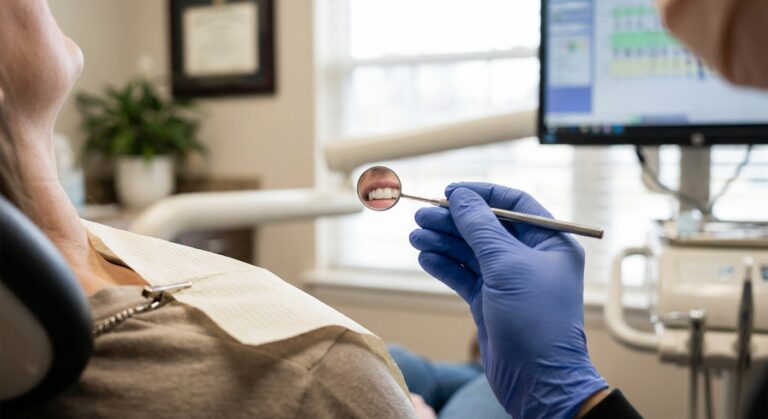
- An exam of your tooth, gums, and surrounding tissues
- Dental X rays to see the extent and location of the infection
If you arrive in intense pain or with visible swelling, your dentist will focus first on controlling the infection and easing your discomfort. In some cases, this includes draining the abscess, prescribing antibiotics, and planning definitive treatment as soon as possible.
Role of antibiotics
Antibiotics often support treatment for tooth abscesses, especially if you have swelling or fever or if your immune system is weakened [5]. Common options include amoxicillin, metronidazole, or azithromycin.
However, antibiotics alone cannot cure a tooth infection or abscess. Once the bacteria have destroyed blood vessels inside your tooth, medications circulating in your bloodstream cannot reach the deepest part of the infection effectively. That is why dental procedures such as draining the abscess or performing a root canal are necessary for complete resolution [5].
It typically takes at least a full week to finish a course of antibiotics, and you should always complete the prescription, even if you start to feel better, to reduce the risk of persistent infection and antibiotic resistance [5].
All antibiotics for tooth infections require a prescription from a dental professional, there are no over the counter or natural antibiotic alternatives that can effectively treat an abscessed tooth [5].
Root canal treatment and advanced options
In many cases, root canal therapy is the main treatment to save an abscessed tooth. According to GentleWave, root canal treatment is needed when the pulp inside the root canal becomes infected or inflamed and cannot be restored to health. Symptoms pointing to this include constant toothache, lingering sensitivity to hot or cold, discharge from the root, tooth discoloration, pain when chewing, and gum swelling [2].
Standard root canal treatment involves:
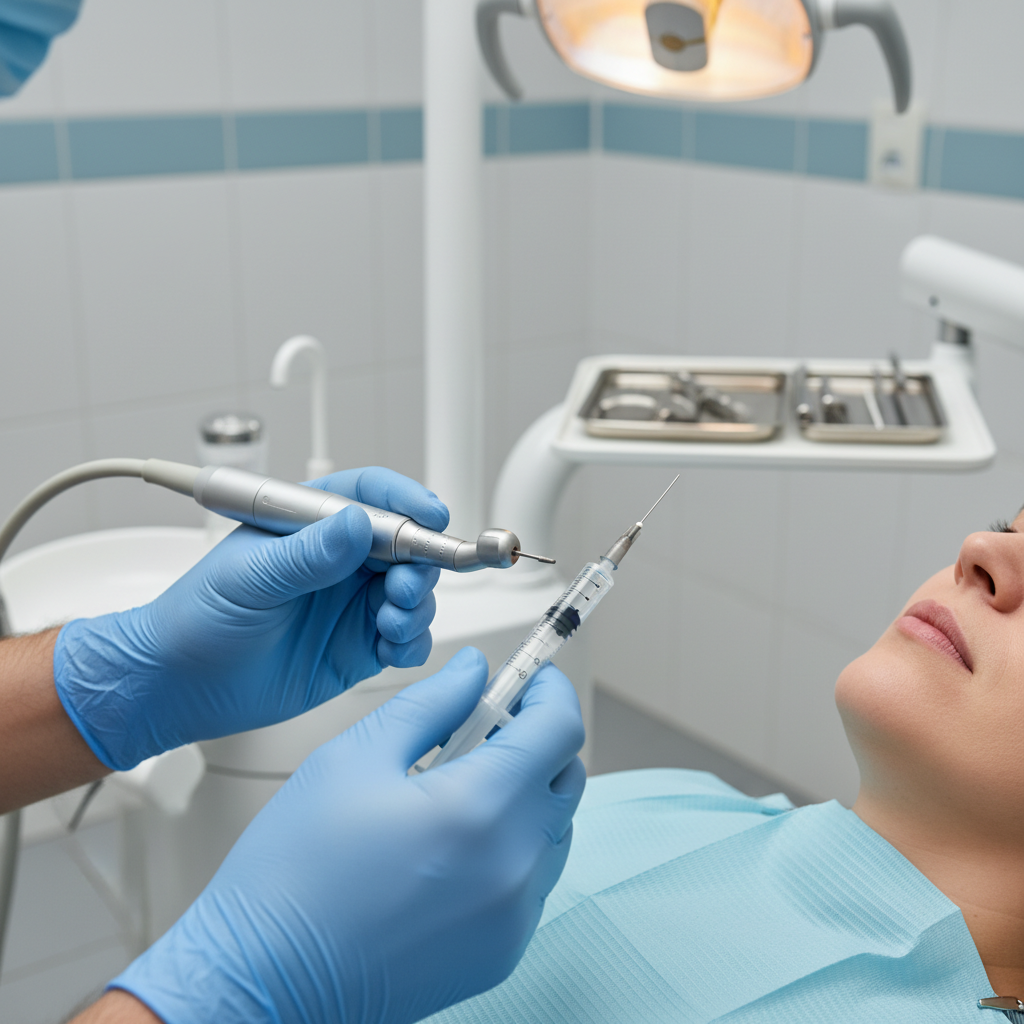
- Numbing the tooth so you remain comfortable
- Creating a small opening in the top of the tooth
- Removing the infected pulp with small instruments
- Cleaning and disinfecting the root canals with files and treatment fluids
- Filling and sealing the canals to keep bacteria out
- Restoring the tooth with a filling or crown for strength [2]
In some practices, an advanced approach called the GentleWave Procedure uses enhanced fluids and technology to clean the complex root canal system more thoroughly. This can decrease the chance of bacteria remaining and may increase treatment success, especially in teeth with intricate root anatomy [2].
If your dentist recommends emergency endodontic therapy, you may see language similar to emergency root canal for infection. The urgency reflects the need to remove bacteria from the tooth as soon as possible to protect your health.
Drainage or tooth extraction
In some situations, especially with large or difficult to reach abscesses, your dentist may:
- Create a small incision in the gum to drain pus
- Place a small rubber drain for a short period to keep fluid flowing
If the tooth is too damaged to be saved or the infection has destroyed too much supporting bone, extraction may be the safest option. While most people prefer to keep their natural teeth, removing the source of infection can protect the rest of your mouth and overall health. A plan for replacement options can follow once healing is complete.
At home care before you see a dentist
Home care can ease symptoms for a short period, but it is not a substitute for seeing an abscess tooth treatment dentist.
Cleveland Clinic notes that you can temporarily manage pain with:
- Warm saltwater rinses several times a day, which can help reduce irritation
- Over the counter pain relievers such as acetaminophen, ibuprofen, or naproxen, used as directed [1]
You should avoid placing aspirin directly on your gums or tooth, and do not attempt to lance the abscess yourself. There are no home remedies that permanently resolve a tooth abscess. Only a dental professional can remove the source of infection and prevent it from returning [1].
If you are relying on painkillers around the clock or adjusting how you eat and drink to avoid pain, it is time to call a dentist for tooth pain relief or a same day dentist for infection. Short term relief is not a long term solution when infection is present.
Pain relief can mask symptoms for a few hours, but it does not stop bacteria from spreading. The only real solution is professional abscess tooth treatment.
Healing and recovery after abscess treatment
Once your dentist has drained the abscess, performed a root canal, or removed the tooth, healing can begin.
According to Cleveland Clinic, after treatment you might experience temporary sensitivity or mild discomfort for a few days while tissues heal, but pain should steadily improve. Full recovery from an abscess is often measured in days, not months, provided the infection has been properly addressed [1].
Dental Arts of Florida notes that recovery time can vary from a few days to several weeks, depending on the severity of the infection and your overall health [4]. More extensive infections or cases that required surgical drainage may need a longer healing period.
During this time, your dentist may recommend:
- Soft foods and avoiding chewing on the treated side at first
- Gentle brushing and flossing around the area to keep it clean
- Completing all prescribed antibiotics
- Using an antimicrobial mouth rinse if recommended
Regular dental checkups every four to six months are especially important after a tooth abscess. These visits allow your dentist to monitor healing, confirm that infection has not returned, and decide if any additional treatment or antibiotics are needed [4].
How to prevent future tooth abscesses
Once you have been through abscess tooth treatment, you will likely be motivated to avoid a repeat experience. Prevention focuses on controlling bacteria, protecting your teeth, and catching problems early.
Cleveland Clinic and Southbury Dental Care both highlight the following steps for prevention:
- Brush your teeth twice a day with fluoride toothpaste
- Floss daily to remove plaque and food between teeth
- Limit sugary foods and drinks that fuel decay [3]
- Use an antibacterial or fluoride mouthwash if recommended
- See your dentist regularly for exams and cleanings to detect early signs of decay or gum disease [1]
- Schedule prompt visits if a tooth becomes loose, chipped, or painful
If you have recurring gum issues, it is also important to see a dentist for gum infection treatment or a dentist for swollen gums pain. Healthy gums help protect tooth roots and reduce the risk of bacteria reaching the pulp.
For anyone with a history of tooth infections, establishing care with a trusted treatment for tooth infection dentist allows you to act quickly at the first sign of trouble instead of waiting for severe pain or swelling.
When to call an abscess tooth treatment dentist now
If you recognize yourself in any of these situations, it is time to contact a dentist right away:
- You have constant, throbbing tooth pain that is not improving
- Hot or cold foods trigger pain that lingers for more than a few seconds
- Your gums are swollen, red, or sore around a particular tooth
- You see a pimple like bump on your gums that may drain fluid
- Your face or cheek looks puffy on one side
- You have a fever, feel generally unwell, or notice swollen glands in your neck
These symptoms point to an active infection that is unlikely to clear on its own. Exploring options like urgent dental care for toothache or a same day dentist for infection helps you move from managing pain at home to resolving the underlying cause.
Working with an experienced abscess tooth treatment dentist gives you a clear plan to:
- Control the infection safely
- Relieve your pain
- Save teeth when possible
- Protect your long term oral and overall health
If you are debating whether your symptoms are serious enough to call, treat that uncertainty as your sign to reach out. Early, expert treatment is the safest path back to comfort and health.