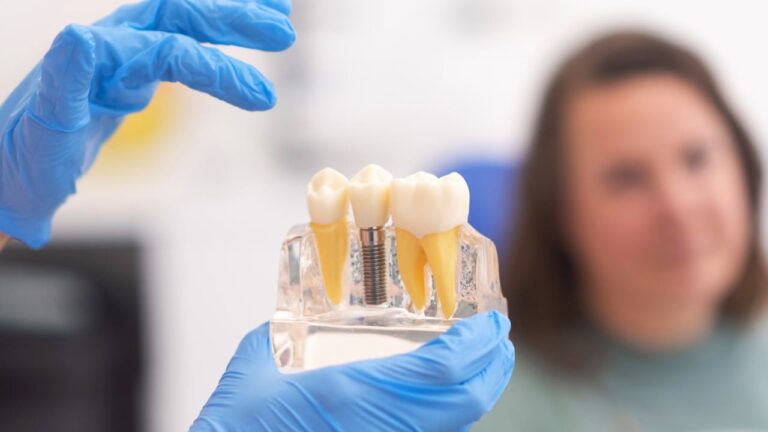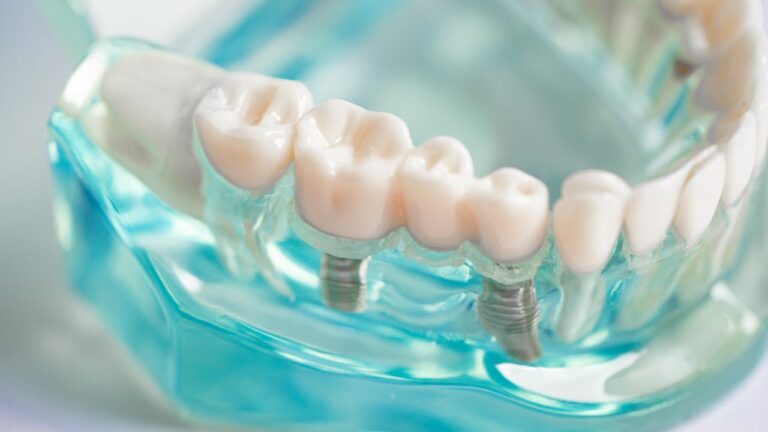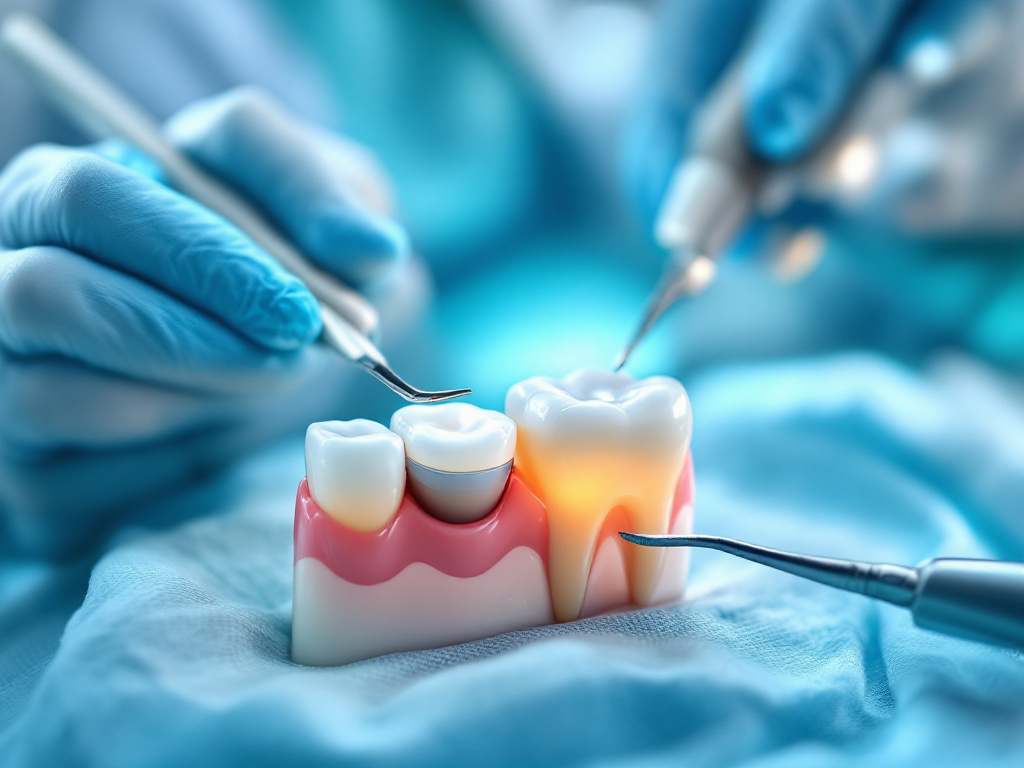
When you consider porcelain inlay and onlay treatment, you are exploring high-quality restorations designed to blend durability, conservation, and aesthetics. By choosing porcelain restorations, you benefit from indirect fillings manufactured outside the mouth under controlled conditions, then bonded to your tooth for a precise fit. This approach preserves your natural enamel, resists wear and stains, and delivers a seamless, long-lasting solution for damaged or decayed teeth.
Understanding porcelain inlay and onlay treatment
What are inlays
Inlays are custom-made restorations that fit into the grooves of your tooth, restoring a cavity’s internal surface. Unlike traditional fillings, porcelain inlays are fabricated outside the mouth, eliminating material shrinkage and reducing the risk of gaps or strain on the remaining tooth structure [1].
What are onlays
Onlays extend coverage over one or more cusps of your tooth, addressing more extensive damage than inlays handle. These restorations are a conservative alternative to crowns, protecting weakened or fractured cusps without reaching the gum line [2].
Materials used
Porcelain stands out for its natural translucency and color match, offering a mercury-free, metal-free solution compatible with front and back teeth alike [3]. You may also encounter ceramic, composite resin, or gold options, each selected based on location, strength requirements, and aesthetic priorities [4].
Exploring restoration benefits
Preserving tooth structure
Porcelain inlays and onlays preserve up to 75 percent of your remaining healthy tooth by precisely fitting into the damaged area, rather than removing excess structure to accommodate a crown [5]. This conservative approach supports long-term oral function and reduces risk of future weakening.
Enhancing durability
Porcelain onlays offer strength comparable to crowns and can increase your tooth’s overall durability by up to 75 percent, resisting daily chewing forces and minimizing sensitivity to temperature changes [5]. Modern materials are stain-resistant and maintain their shape for years with proper care.
Aesthetic advantages
Because porcelain inlays and onlays mimic the color, shape, and translucency of natural enamel, your smile remains seamless and vibrant. Advanced dental technologies allow precise shade matching, making restorations virtually invisible and free from metal allergies or toxic risks associated with amalgam [3].
Comparing inlays versus onlays
Key differences
Your choice between an inlay and an onlay depends on the extent of damage:
- Coverage: Inlays fit within cusps, onlays extend over one or more cusps
- Indication: Inlays address moderate decay or small fractures, onlays handle larger defects or cusp damage
- Tooth reduction: Onlays require slightly more preparation but remain more conservative than crowns
Comparison table
| Feature | Inlay | Onlay |
|---|---|---|
| Coverage area | Inside cusps | One or more cusps |
| Indications | Moderate decay, small fractures | Extensive decay, cuspal damage |
| Tooth preparation | Minimal reduction | Moderate reduction, preserves gum line |
| Durability | Strong, stain-resistant | Very strong, long-lasting |
| Aesthetics | High translucency for seamless match | Excellent shade match and contour |
Alternatives to consider
- Composite fillings for small cavities, explore composite dental fillings
- Crowns when more than 50 percent of structure is compromised, learn about dental crown placement or porcelain crown restoration
- For complex bite or alignment issues, you might need bite correction dental treatment
Reviewing the treatment process
Initial consultation
Your dentist will assess decay, cracks, or damage through visual exam and x-rays. This visit also involves discussing restoration options, materials, costs, and financing. If you experience pain from a cracked tooth, you may benefit from cracked tooth repair service first.
Tooth preparation and impressions
On the first appointment, decayed or damaged enamel is removed, and the cavity is shaped for the restoration. Impressions or digital scans are taken to create a precise mold of your tooth. A temporary filling or onlay protects your tooth until the final restoration arrives.
Lab fabrication with CAD/CAM
Your inlay or onlay is custom-crafted in a dental lab, often using CAD/CAM technology for precise design and milling. Same-day restorations are available in some offices, reducing your total visits and minimizing time without a permanent restoration.
Final restoration placement
During your second appointment, the temporary restoration is removed, the custom porcelain piece is tried in for fit and shade, and bonded with dental cement. Your dentist will adjust the bite and polish the restoration to ensure comfort and function [2].
Maintaining your dental restoration
Oral hygiene practices
Keep your inlay or onlay in prime condition with daily brushing and flossing. Use a soft-bristle brush and nonabrasive toothpaste to protect the restoration’s surface. Regular flossing prevents decay at the margins and maintains gum health.
Regular dental check-ups
Visit your dentist every six months for exams and cleanings. During these visits, your dentist will check the integrity of inlays or onlays and address any wear or debonding early. Prompt adjustments help avoid more extensive procedures later on.
Dietary considerations
Limit sticky, hard, or extremely chewy foods that can stress your restoration. While porcelain is highly durable, avoiding habits like chewing ice or opening packages with your teeth adds years of service to your investment.
Assessing treatment costs
Average cost range
Porcelain inlay and onlay treatment generally costs between $600 and $1,200 per tooth, depending on complexity, material choice, and geographic location [6]. Factors like required root canal therapy or gum treatment can increase overall expenses.
Insurance coverage options
Most insurance plans cover a significant portion of indirect restorations. If you have a robust dental policy, expect to pay only the remainder, from $10 to $100 per restoration, depending on material [7]. Discuss with your front desk about claims, authorizations, and insurance covered dental restoration.
Financing and payment plans
Many practices offer in-house financing or partner with third-party companies to spread payments. Clarify interest rates, terms, and upfront costs at your consultation. You can also use credit cards or explore affordable restorative dentistry programs for budget-friendly options.
Selecting a dental provider
Expertise and experience
Choose a dentist skilled in indirect restorations and cosmetic dentistry. Ask about the number of inlay and onlay cases they handle annually, and request before-and-after photos of previous patients with similar needs.
Technology and same-day options
Offices equipped with digital scanners and in-house milling machines like CEREC can deliver same-day porcelain inlays and onlays, eliminating temporaries and extra visits. This modern approach often translates to more precise fits and greater patient convenience.
Patient reviews and support
Read testimonials focusing on comfort, aesthetics, and longevity of restorations. A practice that offers comprehensive pre- and post-treatment support, including emergency services like emergency dental crown replacement, can ensure peace of mind throughout your restorative journey.
Planning your restoration journey
Porcelain inlay and onlay treatment combines conservative tooth preservation with high strength and natural aesthetics. By understanding the differences between inlays and onlays, following proper care, and selecting an experienced provider, you can unlock lasting oral function and confidence in your smile. To explore related restorative options, discover our services in cavity repair and restoration or learn how we can preserve your tooth structure with tooth structure preservation. Schedule your consultation today and take the first step toward a healthier, more radiant smile.