Understanding when you need an urgent dentist appointment
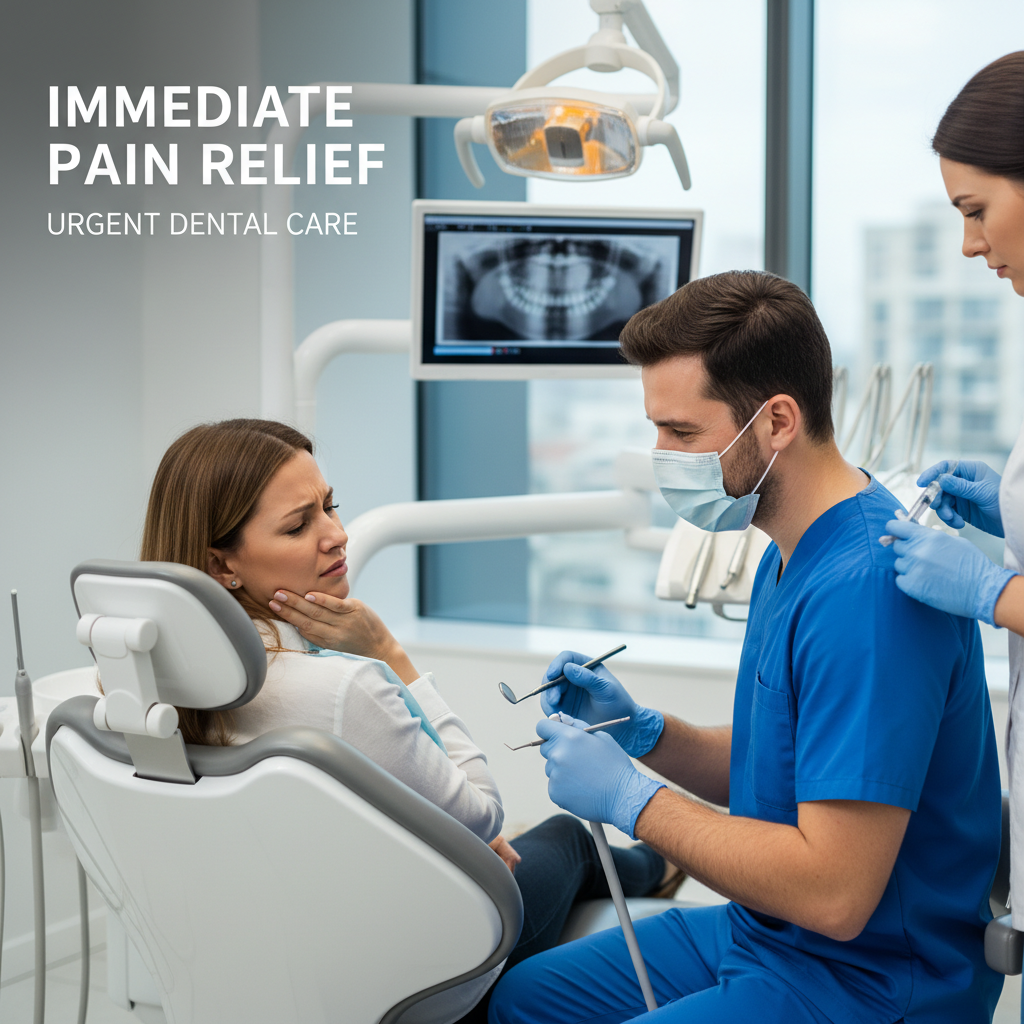
If you are in active dental pain or dealing with a sudden problem with your teeth or gums, an urgent dentist appointment can prevent your situation from getting worse. A dental emergency is any problem that needs immediate attention to stop bleeding, relieve severe pain, or save a tooth, and sometimes it may even require a visit to the emergency room [1].
You might feel unsure whether what you are experiencing is a “true” emergency. In practice, if the pain is severe, something has broken, or you are worried about infection, you are safer assuming you need urgent care. Contacting a dentist quickly lets a professional assess your symptoms and guide you to the right level of care [2].
Common signs you need same-day care
You should seek an urgent dentist appointment as soon as possible if you notice:
- Severe toothache that does not improve with over-the-counter pain medicine
- Swelling in your face, jaw, or gums
- A knocked-out, loose, or badly broken tooth
- Uncontrolled bleeding from the mouth
- Pus, a bad taste, or a visible bump on the gum
- A lost filling, crown, or other restoration with new pain or sensitivity
In these situations, fast treatment reduces the risk of complications and can mean the difference between saving and losing a tooth.
Types of dental problems that need urgent care
When you call to request an urgent dentist appointment, the office will usually triage your symptoms. Knowing how your situation fits into common emergency categories helps you explain what is happening and get seen faster.
Severe toothache and infection
A toothache that becomes intense, throbbing, or keeps you awake at night often signals deep decay or infection. A severe toothache can indicate a serious issue such as an abscess or advanced decay, and it requires immediate dental attention to prevent complications like spreading infection or tooth loss [3].
You should be especially concerned if:
- Pain lasts more than 1 to 2 days
- Swelling appears in your cheek or jaw
- You have a fever or feel generally unwell
A severe toothache that persists may point to a tooth infection that needs root canal treatment or other urgent therapy [4].
Abscessed tooth and facial swelling
An abscessed tooth is an infection that forms a pocket of pus, often at the root of a tooth. Symptoms can include intense pain, swelling, a pimple-like bump on the gum, and sometimes fever. An abscess must be treated immediately, because bacteria can spread to other areas of your body if it is not controlled [3].
Treatment may involve:
- Draining the abscess
- Prescribing antibiotics
- Performing a root canal
- Extracting the tooth if it cannot be saved [3]
Facial swelling, especially around the jaw or under the tongue, is a red flag. If you have difficulty breathing, swallowing, or opening your mouth, you may need emergency room care immediately.
Knocked-out, loose, or broken teeth
Dental trauma is another major reason to seek a same-day visit. A knocked-out tooth, a tooth that suddenly becomes loose, or a large break or crack all require fast, professional help.
For a knocked-out tooth, every minute matters. Getting to a dentist within 30 minutes to 1 hour gives you the best chance of successful reimplantation [5]. If you have a loose tooth after an injury, you should also seek same-day care, since untreated loose teeth can lead to nerve death and tooth loss. Dentists can often apply a stabilizing splint to help the tooth heal in place [4].
Lost fillings, crowns, and broken dental work
When a filling, crown, or other restoration falls out, the underlying tooth and nerve are suddenly exposed. This can cause sensitivity, sharp pain, and a higher risk of bacterial infection. Losing a dental filling or crown requires an urgent appointment to protect the tooth and prevent further damage [3].
The same urgency applies to fractured dentures or broken appliances that keep you from eating or speaking comfortably. Many emergency-focused practices offer repairs or temporary solutions the same day to restore function [6].
When you must go straight to the ER
Some situations are medical emergencies that go beyond what a dental office can safely handle. You should go to the nearest hospital emergency room or call emergency services right away if you experience:
- Uncontrolled bleeding that does not stop with pressure
- A suspected broken jaw or facial bones
- Difficulty breathing or swallowing
- Rapidly spreading swelling in your face or neck
These conditions are considered life-threatening and require immediate hospital care [7].
How to get an urgent dentist appointment fast
When you are in pain, every step between you and relief can feel overwhelming. A simple, structured approach makes it easier to secure a same-day or next-available urgent dentist appointment.
Step 1: Assess your symptoms calmly
Before you pick up the phone, take a moment to note exactly what you are feeling and seeing. This helps the office staff triage you quickly. Write down:
- Where the pain is located
- When it started and how severe it is
- Any swelling, fever, bleeding, or trauma
- Whether you lost a tooth, filling, or crown
If you are unsure whether your problem counts as an emergency, you should still call. A dental professional can assess your symptoms over the phone and guide you on whether you need urgent care or can safely schedule a later visit [2].
Step 2: Call your regular dentist first
If you have a regular dentist, contact that office right away, even if you think they might be fully booked. Many practices reserve same-day slots for emergencies or can rearrange their schedule to see you quickly.
When you call, clearly say that you are requesting an urgent dentist appointment and briefly describe your symptoms, for example:
“I have severe tooth pain on the lower right, my face is starting to swell, and pain relievers are not helping. I need to be seen as soon as possible.”
This makes it easier for the staff to recognize the situation as urgent and prioritize you.
If your dentist is closed or unable to see you promptly, ask if they have a recommendation for an emergency dentist or an after-hours provider.
Step 3: Expand your search to emergency and same-day clinics
If your regular office cannot accommodate you quickly, start calling emergency or same-day dental clinics in your area. Many communities have practices that specifically advertise:
- Same-day emergency dentistry
- After-hours and weekend appointments
- Walk-in or short-notice urgent visits [4]
When you call a new office, have your basic information ready and immediately mention that you are in active pain or dealing with trauma. Be direct about needing to be seen today if that is the case.
Step 4: Ask about insurance and payment upfront
When you are searching for fast care, you also need to make sure the practice accepts your insurance or offers a payment solution that works for you. As you speak with each office, ask:
- “Do you accept my insurance plan?”
- “What will today’s visit cost, and what payment options do you offer?”
Urgent dental care is designed to be as efficient as possible. Many practices that focus on emergencies are experienced in helping you use your benefits effectively and will explain expected costs before treatment begins.
Step 5: Be flexible with timing and location
You are more likely to secure a truly urgent dentist appointment if you can be flexible. Let the office know you are willing to:
- Come in at short notice if a cancellation opens up
- Accept an early morning, lunchtime, or end-of-day slot
- Visit a nearby office location within the same dental group
In some cases, traveling a bit farther or shifting your schedule slightly can get you seen hours sooner, which can significantly improve your outcome.
How to prepare quickly before you leave for your appointment
Once your urgent dentist appointment is scheduled, a few simple steps help your visit go more smoothly and ensure you get the fastest possible treatment.
What to bring with you
To help the team act quickly and safely, bring:
- A photo ID
- Your dental insurance card or other payment method
- A list of current medications and dosages
- A list of any allergies
- Recent dental records or X-rays if you have them
- The contact information for your regular dentist [8]
If a tooth, crown, or filling has come out, gently rinse it and bring it with you in a clean container. Patients who save their dental work and see a dentist the same day often avoid more complex procedures later [4].
How to manage pain and swelling safely
Before you leave for your visit, you can often reduce discomfort with simple home measures. Guidance from the Cleveland Clinic and emergency-focused practices includes:
- Rinse your mouth gently with warm water to clean the area
- Use dental floss carefully to remove any trapped food
- Apply a cold compress on the outside of your cheek to reduce swelling
- Take over-the-counter pain relievers such as acetaminophen, ibuprofen, or naproxen if you can do so safely [1]
Avoid placing aspirin directly on the tooth or gums and avoid very hot or very cold foods. If you expect to receive local anesthesia or sedation, it may be best to avoid eating right before the appointment, as some emergency providers recommend [8].
Special handling for a knocked-out tooth
If a tooth has been completely knocked out, careful handling before you reach the dentist can greatly improve the chance of saving it. The Cleveland Clinic and emergency providers advise that you:
- Stay calm and find the tooth, picking it up only by the crown, not the root
- Rinse it gently with water if it is dirty, without scrubbing
- Try to gently place it back into the socket and hold it in place by biting down softly on gauze or a clean cloth
- If you cannot reinsert it, store the tooth in cold milk or a saline solution, or keep it in your mouth between your cheek and gum
- Go to the dentist as quickly as possible, ideally within 1 hour [9]
Prompt care within this window offers the best chance of successful reimplantation [3].
If you cannot reach a dentist directly after hours, you should seek immediate medical attention through local health services to reduce pain and prevent serious dental issues [10].
What happens during an urgent dentist appointment
Knowing what to expect can ease anxiety and help you focus on communicating your symptoms clearly. The main goals of an urgent visit are to diagnose the problem, relieve your pain, stabilize your oral health, and prevent complications.
Rapid assessment and diagnostic steps
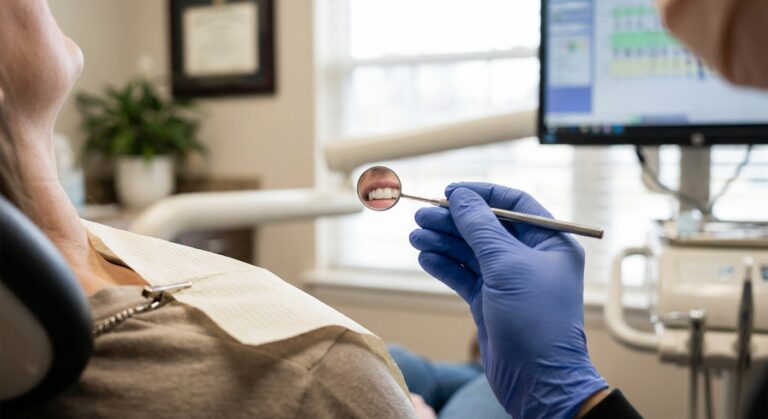
At the start of your appointment, the team will quickly review your medical history and ask about your symptoms, then perform a focused exam. This may involve:
- Visual examination of your teeth, gums, and soft tissues
- Gentle tapping or cold tests to pinpoint the painful tooth
- X-rays to identify decay, fractures, or infection
During emergency visits, the dentist’s priority is to reach a clear diagnosis as efficiently as possible so that treatment can begin. Fast, accurate diagnosis is key to preventing further damage to your oral health [2].
Pain relief and stabilizing treatment
After identifying the problem, your dentist will work to relieve your pain and stabilize the situation. Depending on your needs, this can include:
- Local anesthesia to numb the area
- Prescription pain medication or antibiotics if infection is present
- Opening the tooth and beginning root canal therapy to relieve pressure from infection
- Smoothing sharp edges or placing temporary filling material
- Recementing or temporarily replacing a crown or restoration
- Stabilizing loose teeth with a splint after trauma [4]
Urgent treatment is focused on getting you out of distress quickly and preventing the issue from worsening. Definitive, long-term work may be scheduled for follow-up appointments once the emergency has been controlled [11].
Comfort, sedation, and anxiety management
Many people feel anxious during emergency dental visits. To help you stay calm and comfortable, some practices offer advanced sedation options, including IV sedation for appropriate cases. These options allow you to receive necessary urgent care while remaining relaxed and pain-free throughout the procedure [6].
If sedation or strong medications are used, you may need to arrange transportation home and follow specific instructions to ensure a safe recovery [8].
Aftercare, follow-up, and preventing future emergencies
Your care does not end when you leave the office. Proper aftercare and timely follow-up appointments are important for full healing and long-term oral health.
Following home-care instructions carefully
Before you leave your urgent dentist appointment, you will receive specific instructions about:
- Medications and how to take them
- How to clean your mouth around the treated area
- Which foods and drinks to avoid while healing
- What symptoms should prompt you to call the office or seek further care [8]
You should follow these instructions closely. Ignoring them can slow your recovery or lead to another emergency visit. If anything is unclear, ask questions before you leave.
Scheduling definitive treatment
In many cases, the emergency visit is the first step in a longer treatment plan. For example:
- A temporary filling might be placed before a full crown is made
- An initial root canal appointment might be followed by additional cleaning and final sealing
- A loose or stabilized tooth may need long-term monitoring or restorative work
You should schedule any recommended follow-up as soon as you can. Addressing problems early keeps them from turning into another urgent situation and typically means less complex and less costly care in the future.
Reducing your risk of future dental emergencies
While not every emergency can be avoided, you can lower your risk by:
- Seeing a dentist regularly for exams and cleanings
- Treating small cavities before they become deep infections
- Wearing a mouthguard during contact sports
- Avoiding chewing on very hard foods and objects
- Addressing grinding or clenching with a nightguard if needed
Practices that provide both routine and emergency care are well positioned to help you move from crisis management to long-term prevention.
Taking the next step toward relief
When you are in intense dental pain or facing a sudden problem like a broken or knocked-out tooth, waiting rarely makes things better. An urgent dentist appointment is designed to give you fast access to diagnosis, pain relief, and stabilization so you can get back to normal as quickly and safely as possible.
If you are unsure whether your situation is an emergency, you should still contact a dental professional promptly. With clear communication, a focus on same-day availability, and attention to your insurance and comfort needs, you can get the immediate help you need and prevent more serious complications later.
References
- (Cleveland Clinic)
- (Associates For General Dentistry)
- (Golden State Dentistry)
- (Hometown Family Dentistry)
- (Golden State Dentistry, Cleveland Clinic)
- (Vero Dental Spa)
- (Cleveland Clinic, Associates For General Dentistry)
- (Dentist of Torrance)
- (Cleveland Clinic, Hometown Family Dentistry)
- (Hayes Dentistry)
- (Dentist of Torrance, Associates For General Dentistry)