Understanding in-office whitening
What is professional in-office whitening?
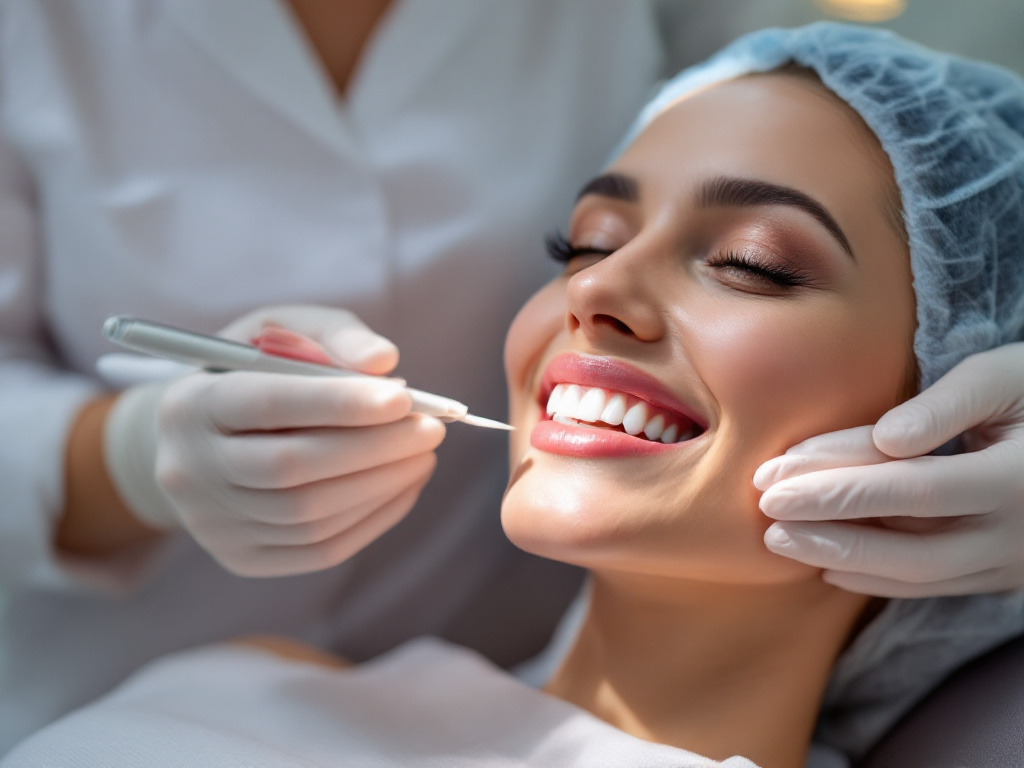
Professional in-office whitening is a cosmetic dental procedure performed by licensed clinicians using high-concentration bleaching agents to lighten your natural tooth color. During a typical session, a gel containing 25 % to 40 % hydrogen peroxide or carbamide peroxide is applied directly to your teeth and activated with LED lights or lasers, accelerating stain removal from coffee, tea, wine, and tobacco [1]. Unlike over-the-counter products, in-office treatments are carefully monitored to protect your gums and soft tissues with liquid rubber dams or hardening resin barriers.
How does it differ from at-home kits?
At-home whitening kits generally use 6 % hydrogen peroxide concentrations and require daily wear for several weeks. In contrast, professional in-office whitening delivers two to eight shades of improvement in a single 40- to 90-minute visit, thanks to clinical-strength gels and activation methods [2]. You also benefit from personalized shade selection, real-time monitoring of sensitivity, and a tailored approach that accounts for restorations, enamel condition, and underlying dental issues.
For a broader overview of whitening options, see our guide on teeth whitening treatment.
Exploring cosmetic benefits
Immediate visible results
One of the standout advantages of professional in-office whitening is the instant gratification of seeing whiter teeth before you leave the dental chair. Most patients notice a two- to eight-shade improvement in one visit, an effect that over-the-counter solutions simply cannot match [3]. If you’re preparing for a special event or want a confidence boost, this immediate transformation can make a dramatic difference.
Customized shade selection
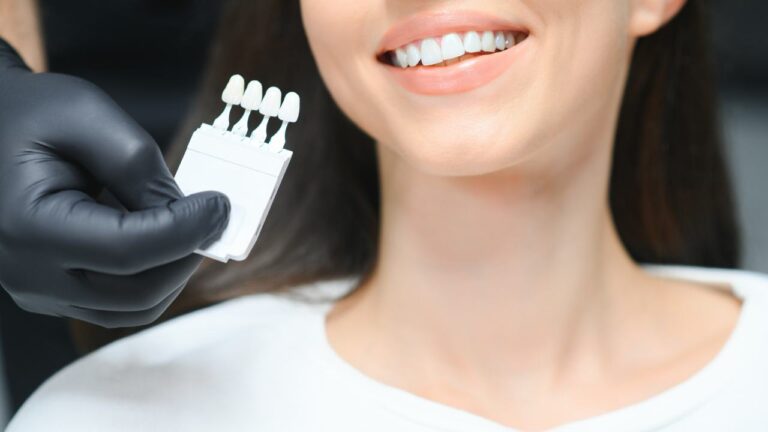
During your whitening consultation, you’ll choose a target shade that complements your complexion and smile goals. Dentists use shade guides and sometimes digital imaging to ensure even, natural-looking results. Custom trays and gel strengths are adjusted to your sensitivity levels—an advantage you won’t get from generic strip systems. You can also incorporate stain-blocking techniques under stain removal and whitening protocols for more uniform brightness.
Extended whitening longevity
With proper care, professional in-office whitening can maintain noticeable brightness for six months to three years, outlasting most at-home systems. Clinical protocols such as fluoride applications during treatment and prescription-strength desensitizing gels help preserve enamel health and reduce rebound staining [4]. Touch-up trays provided by your dentist allow you to top off your results periodically, extending the lifespan of your smile enhancement.
Step-by-step whitening procedure
Pre-treatment dental evaluation
Before you whiten, your dentist conducts a comprehensive exam to identify issues that could affect safety or outcomes, such as cavities, cracks, or gum disease [5]. Addressing these concerns first ensures the bleaching agents won’t exacerbate existing problems.
Protective measures and barriers
To safeguard soft tissues, your clinician isolates your gums, lips, and cheeks using a liquid rubber dam or hardening resin, along with cheek retractors and bite blocks. Some practices apply a thin layer of buffer gel to reduce sensitivity and protect enamel during oxidation [6].
Gel application and activation
Your dentist applies the peroxide gel in multiple 15- to 30-minute intervals, using an LED or laser light to activate the bleaching compounds and accelerate stain breakdown. You may feel a warming sensation, but serious discomfort is rare under professional supervision [7]. If needed, a fluoride rinse or gel is used post-whitening to further alleviate sensitivity.
Assessing risks and safety
Tooth sensitivity and management
Transient sensitivity is the most common side effect, ranging from mild tingling to short-term discomfort. Most cases resolve within a few days. Your dentist can prescribe desensitizing toothpaste or apply topical gels containing potassium nitrate or fluoride to mitigate symptoms [8].
Gum irritation and protection
Gum irritation may occur if bleaching gel contacts soft tissue. Clinical protocols—liquid dams, custom trays, and controlled application—minimize this risk. If irritation does happen, a soothing gel or short healing pause is usually sufficient to restore comfort.
Professional safeguards
By choosing in-office whitening, you benefit from ongoing monitoring and immediate intervention if any issues arise. Dentists adjust gel strength, exposure time, and protective measures based on your individual response—safeguards that DIY methods cannot offer [9].
Evaluating costs and coverage
Typical pricing range
Professional in-office whitening typically costs between $500 and $1,000 per session, largely depending on geographic location, clinic reputation, and technology used [10]. For comparison, here’s a brief cost breakdown:
| Treatment system | Peroxide concentration | Chair time | Average cost |
|---|---|---|---|
| BriteSmile | 15 % & 25 % H₂O₂ | 3 × 20 min | $399–$600 [11] |
| Opalescence Boost | 38 % H₂O₂ | 60–120 min | ≈ $500 [11] |
| Zoom! chairside | 25 % H₂O₂ | 3 × 15 min | ≈ $500 [11] |
| Deep Bleaching | Carbamide overnight + power | Multi-phase | ≈ $1,250 [11] |
Insurance and financing
Because professional whitening is classified as cosmetic rather than medically necessary, most insurance plans do not cover it. To manage costs, ask your provider about in-office financing, membership plans, or tiered payment options. You can also explore insurance covered cosmetic dentistry riders, though coverage remains rare.
Value compared to alternative treatments
While veneers, crowns, or bonding can mask intrinsic discoloration, they involve more invasive preparation and higher costs. If your enamel is healthy and stains are superficial, professional whitening offers a non-invasive, cost-effective path to a brighter smile. For deeper stains or shape corrections, consider combining whitening with porcelain veneer placement or cosmetic dental crown replacement.
Extending whitening results
Oral hygiene best practices
Maintain your new shade by brushing twice daily with a soft-bristle toothbrush and fluoride toothpaste. Floss daily and schedule professional cleanings every six months to remove plaque and surface deposits that can accelerate discoloration [12].
Diet and lifestyle tips
Limit or avoid stain-causing substances such as coffee, red wine, dark sauces, tea, and tobacco. If you do indulge, rinse with water afterward or brush gently to prevent staining. Consider using a straw for beverages that can discolor enamel.
Touch-up and maintenance options
Ask your dentist for custom-fitted take-home trays and professional-strength gel to refresh your whitening every six to twelve months. For minor touch-ups, over-the-counter strips may suffice, but custom trays offer more even coverage and less risk of gum irritation.
Combining with other treatments
Porcelain veneers and bonding
If you have deep intrinsic stains, uneven tooth shape, or small gaps, combining whitening with porcelain veneer placement or dental bonding service can deliver a uniform, harmonious smile. Veneers provide long-term color stability, while bonding offers a conservative approach to reshape or mask imperfections.
Contouring and gum services
After whitening, you may enhance your smile further with tooth contouring and reshaping or a gum contouring service. These non-invasive cosmetic dental procedures refine tooth edges and balance your gum line for a sculpted, symmetrical appearance.
Smile design consultation
For a full cosmetic smile makeover, collaborate with your dentist on a smile design consultation. Advanced digital previews let you visualize how whitening plus veneers, bonding, or contouring will transform your smile before committing to treatment.
Selecting your dental provider
Credentials and experience
Choose a dentist with accredited training in cosmetic dentistry—look for memberships in organizations such as the American Academy of Cosmetic Dentistry and a portfolio of before-and-after cases. Ask about the specific systems and bleaching agents they use.
Consultation and planning
A thorough cosmetic dental evaluation ensures your gums, enamel, and any restorations are ready for whitening. Discuss your smile goals, sensitivity concerns, and timeframe to tailor a safe, effective approach.
Preparing for treatment
To make the most of your appointment:
- Schedule a cosmetic dental evaluation well before your event or special date
- Discuss your customized cosmetic dentistry plan, including any complementary treatments
- Preview potential outcomes with a digital smile preview for confidence in your chosen shade
By partnering with an experienced professional and following a comprehensive plan, you can enjoy a brighter, more confident smile that highlights the artistry of modern cosmetic dentistry.
References
- (Verywell Health; Smiles Dental)
- (Blyss Dental; Coulon Watts)
- (Modern Age Dentistry; Arrowhead Dental)
- (NSPALI; Blyss Dental)
- (Modern Age Dentistry)
- (Smiles Dental; Cary Prosthodontics)
- (Coulon Watts)
- (Dentistry of West Bend; Cary Prosthodontics)
- (Arrowhead Dental)
- (Verywell Health)
- (YourDentistryGuide)
- (NSPALI)