Engaging in thorough orthodontic treatment planning sets you on the path to a confident, healthy smile. By mapping out each step—from diagnostics to retention—you gain clarity on what to expect, how long it will take, and how to keep your investment on track. Whether you choose clear aligners or ceramic braces, a solid plan improves predictability and comfort throughout your journey.
With discreet solutions like clear aligners and nearly invisible ceramic braces, you no longer have to sacrifice appearance for effective care. Leveraging digital scanning and 3D imaging ensures every detail of your bite and teeth alignment is captured accurately. This proactive approach to orthodontic treatment planning also helps you explore flexible payment and acceleration options so you stick to your schedule and budget.
Benefits of treatment planning
Effective orthodontic treatment planning brings predictability to each stage of your care. You’ll know exactly when to expect appointments, adjustments, and key milestones, which reduces anxiety and helps you stay committed. A clear roadmap also minimizes surprises in cost and treatment duration, making it easier to coordinate work, school, or social commitments.
Tailored planning lets your orthodontist customize appliance choices and movement strategies based on your unique bite issues. This personalization leads to more efficient tooth movement and can shorten your overall treatment time. Plus, by understanding each phase in advance, you’ll be better prepared to follow wear schedules and maintenance routines.
Discreet alignment options blend seamlessly into your lifestyle. If you opt for an invisalign clear aligner treatment, you’ll appreciate how invisible trays and digital planning work hand in hand to give you a confident smile without metal wires.
First orthodontic consultation
Your journey begins with a comprehensive review of your teeth position and oral health. During this session, your orthodontist examines bite alignment, checks for any dental concerns, and takes x-rays or 3D scans to reveal hidden issues. Orthodontic treatment planning begins with a first consultation to review the teeth position and health, followed by x-rays including potentially 3-D scans, which help diagnose underlying oral issues and guide the treatment plan preparation as detailed in the Australian orthodontic practice’s 2024 protocol [1]. You can schedule your orthodontic consultation appointment online or by phone.
On your follow-up visit you’ll review diagnostic photos and intra-oral scans that refine your treatment blueprint. A second consultation involves diagnosis photos and intra-oral scans to gather comprehensive data that informs a detailed orthodontic treatment plan, which includes options such as ceramic, metal, lingual braces, or clear aligners, tailored to each patient’s needs and suitability [1]. Digital impressions from our orthodontic digital scan service and 3d orthodontic imaging give you a preview of your post-treatment smile.
Digital diagnostics tools
3D imaging and scans
Advanced imaging techniques give your orthodontist a crystal-clear view of your jawbone, tooth roots, and any impacted teeth. Cone-beam computed tomography (CBCT) radiographs are indicated specifically for cases involving impacted canines in orthodontic treatment planning, highlighting their role in complex diagnostic situations as identified in studies up to 2012 [2]. These scans help detect hidden issues early, ensuring your plan addresses every detail.
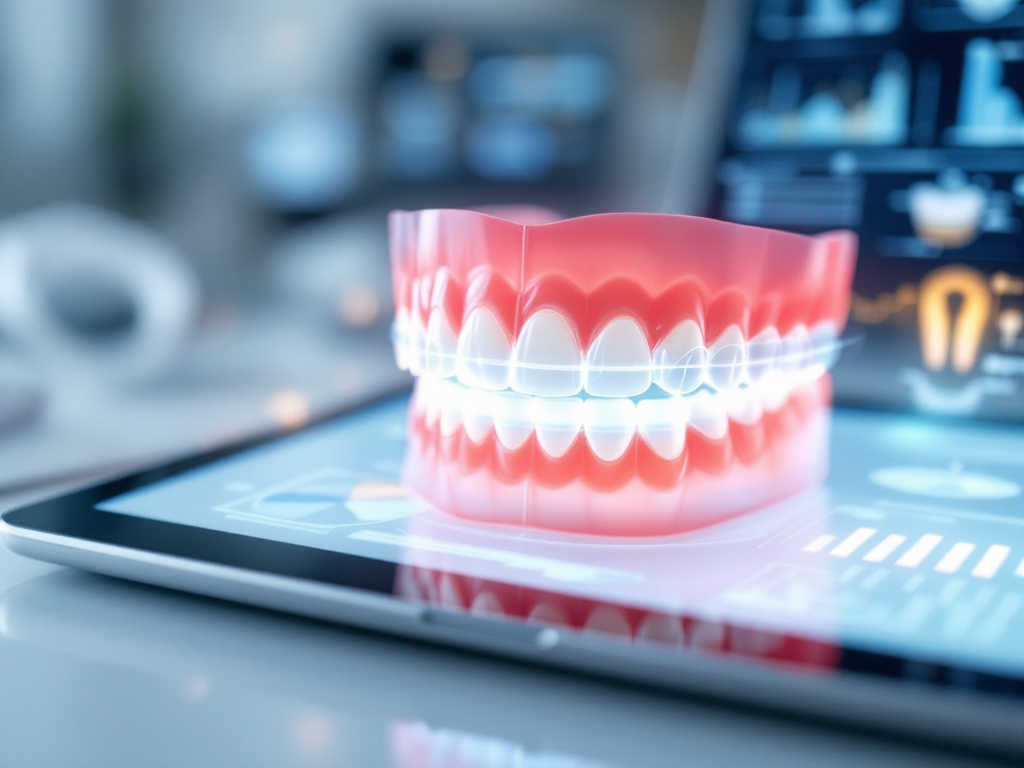
High-resolution 3D scans from our 3d orthodontic imaging platform integrate seamlessly into treatment software. You’ll see accurate models of your teeth and gums, which drive precise aligner or bracket placement.
Digital dental models
Digital dental models replace traditional plaster casts with interactive 3D files. A systematic review found that digital dental models can effectively replace traditional plaster casts in orthodontic diagnosis and treatment planning, supporting a shift towards digital record-keeping as of the review conducted through 2012 [2]. These models speed up turnaround times and reduce discomfort during impressions.
You can share your digital records instantly with specialists or your general dentist for collaborative care. Our orthodontic digital scan service delivers high-precision models that form the foundation of your custom appliances.
Choosing your treatment option
Clear aligner treatments
Clear aligners use a series of nearly invisible trays to shift teeth gradually into place. When paired with digital planning, these trays snap over your teeth for comfortable daily wear. Many teens find the invisalign teen program fits their lifestyle, while adults appreciate the invisalign adult aligners option that blends discreetly into meetings and social events.
As you progress, your orthodontist monitors fit and tooth movement with regular scans, making refinements as needed. You’ll benefit from invisalign refinements and adjustments to ensure each tray fits snugly and effectively.
Clear braces
Ceramic or clear braces use tooth-colored brackets and wires to minimize visibility. These fixed appliances deliver continuous pressure, making them a reliable choice for moderate tooth movement. Explore our clear braces options to find brackets that match your enamel shade.
Unlike removable aligners, clear braces work 24/7 without you having to remember to switch trays. If you’re comfortable with a fixed system and want fewer compliance concerns, ceramic braces can be a good alternative.
Treatment phases overview
Your orthodontic care unfolds in three distinct phases designed to deliver efficient and lasting results. In the planning stage you’ll work with your orthodontist to establish treatment goals based on your unique bite and alignment challenges. The active stage then implements the chosen appliance, guiding your teeth into their ideal positions gradually. Throughout this period you’ll attend regular checkups to monitor progress and adjust as needed. Once your smile is aligned, the retention stage secures those results with custom retainers that prevent unwanted shifting. Understanding these stages helps you set realistic expectations around timeline, comfort, and outcomes.
Planning stage
Phase 1 focuses on diagnosis and goal setting. Your orthodontist reviews x-rays, scans, and models to pinpoint malocclusion issues. This stage defines your treatment aims—such as overjet reduction or midline correction—and determines whether options like palate expanders are needed [1]. If you need a referral, our orthodontic referral services connect you with specialists.
Active stage
During Phase 2 your customized appliance—be it clear aligners or ceramic braces—begins moving teeth into position. You’ll visit every four to eight weeks for progress checks and adjustments. Treatment duration typically ranges from six to thirty months, influenced by severity, appliance type, and your compliance [3]. If you want to explore faster results, ask about our accelerated orthodontic treatment options.
Retention stage
Phase 3 involves removing active appliances and fitting your custom retainers. You’ll wear these full-time for at least three months, then transition to nighttime use. After removal of braces, orthodontic treatment planning continues with the provision of removable retainers worn full-time for at least three months, followed by nighttime use and periodic orthodontist check-ups at six, nine, and twelve months to monitor teeth stability and retainer fit [1]. Schedule your orthodontic retainer fitting and enroll in our retention phase monitoring program.
Accelerated treatment strategies
If you’re eager to see faster progress, these techniques can help optimize tooth movement:
- Wear your clear aligners for the full 22 hours each day, and flip them promptly at the prescribed interval.
- Use chewies or aligner seating tools after inserting trays to ensure full contact with teeth surfaces.
- Try adjunctive vibration devices that may stimulate bone remodeling and support faster alignment.
- Follow your attachment and elastics schedule precisely, since consistent force is the key to efficient movement.
Consistency is key.
Retention and follow-up
Securing your new smile is as important as achieving it. Regular orthodontic checkup visits ensure your retainers fit perfectly and catch any minor shifts early. Good habits—like wearing your retainer as directed and following our orthodontic hygiene maintenance program—help preserve alignment long term.
Periodic follow-ups let your orthodontist adjust your plan if wear patterns change or retainers loosen. Staying engaged in care today prevents the need for more intensive correction down the road.
Payment and insurance planning
Cost transparency is a key part of effective orthodontic treatment planning. We offer flexible orthodontic payment plans and tailored invisalign payment options to fit your budget. If you have benefits, our team handles claims for insurance covered orthodontic care so you know what to expect at each stage.
Below is a quick comparison of common financing choices:
| Payment option | Benefit | Considerations |
|---|---|---|
| Orthodontic payment plans | Spread cost over months | May require credit approval |
| Invisalign payment options | Flexible deposit and installments | Variable fees by provider |
| Insurance covered care | Reduces out-of-pocket expense | Coverage varies by plan |
| Affordable Invisalign treatment | Lower package pricing | Limited availability |
Planning ahead for payment gives you one less thing to worry about as you work toward your new smile.
By following a detailed orthodontic treatment planning process—backed by advanced diagnostics, clear communication, and flexible financing—you set yourself up for success. Reach out today to schedule your next step and take charge of your path to a confident, lasting smile.