About 36% of adults in the United States avoid dental care entirely, according to a 2022 survey by the American Dental Association Health Policy Institute of 4,000 adults. If that number includes you, overcoming avoidance of dental care is less about willpower and more about understanding why avoidance happens and having a specific plan to interrupt it. This guide walks through the psychology, the practical tools, and the concrete steps that turn avoidance into action.
What You’ll Learn in This Guide
- Why dental avoidance is a cycle, not a decision
- The neurological basis of dental fear and common triggers
- Documented links between untreated oral disease and systemic health
- Evidence-based mental tools to use before and during appointments
- How to evaluate anxiety-friendly practices and ask the right questions
- How to manage cost alongside fear
- How to build a dental habit that actually holds
What Dental Avoidance Actually Costs You
A 2019 study published in the Journal of Dental Research, analyzing data from over 30,000 adults across 22 countries, found that people who avoid routine dental care spend an average of 3.5 times more on dental treatment over a ten-year period than those who attend twice-yearly checkups. Avoidance doesn’t eliminate dental problems. It defers them until they require more invasive, more expensive, and more uncomfortable treatment.
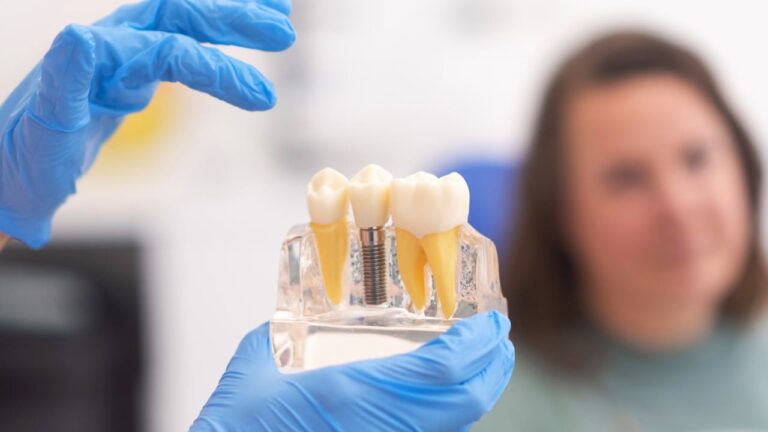
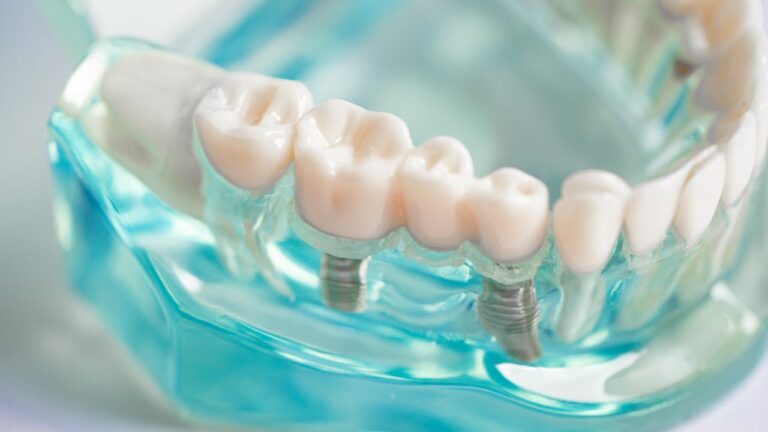
The cost compounds in a specific way. A cavity caught early is a filling. Left alone for 18 months, it becomes a root canal. Left alone another year, it becomes an extraction and an implant. Each delay narrows the treatment options and increases both the procedural complexity and the anxiety associated with what comes next. This is the avoidance cycle: fear leads to skipping appointments, skipping appointments leads to more serious problems, more serious problems create more fear.
Recognizing that cycle is the first move. The good news is that it breaks at any point.
Why Avoidance Happens in the First Place
A 2021 systematic review published in BMC Oral Health, covering 47 studies and over 90,000 participants, found that dental anxiety affects roughly 15 to 20 percent of adults globally, with an additional 5 percent meeting clinical criteria for dental phobia. These are meaningfully different things. Dental anxiety is a heightened fear response to dental situations. Dental phobia is a persistent, irrational fear that causes people to avoid dental care entirely, even when they understand the consequences. Both are common. Both respond to specific strategies.
The Fear Response Is Physiological, Not a Character Flaw
A 2020 study from King’s College London used neuroimaging to examine how prior negative dental experiences are encoded in the brain. The research found that patients with high dental anxiety showed heightened amygdala activation when exposed to dental-related imagery, the same threat-response pattern observed in other specific phobias. The brain isn’t being irrational. It is doing exactly what it was designed to do: flag situations associated with past pain as dangerous and prompt avoidance.
What this means in practice: your fear isn’t weakness or drama. It’s a learned neurological response. Responses that are learned can be unlearned, or at least managed, with the right tools. Understanding what causes dental fear in adults at a neurological level removes the shame from the equation, which makes it easier to take action.
What Triggers the Cycle
A 2022 survey by the British Dental Association of 6,800 adults identified the most common dental anxiety triggers: anticipation of pain (reported by 68%), feeling out of control during a procedure (52%), embarrassment about the state of their teeth (47%), and sensory associations including the sound of the drill and the smell of the office (39%). These triggers aren’t random. They map directly to the conditions of a typical dental appointment: lying back, mouth open, unable to speak, with someone performing procedures you can’t see.
Recognizing your specific trigger matters because different triggers respond to different strategies. Someone whose primary fear is pain responds well to transparency about procedure steps and honest conversations about anesthesia. Someone whose primary fear is embarrassment responds to explicit reassurance from the office before the appointment starts. One-size coping advice doesn’t work because one size didn’t cause the fear.
How Dental Avoidance Damages More Than Your Teeth
The 2021 Perio and Systemic Health report from the European Federation of Periodontology, drawing on meta-analyses involving over 300 studies, documented strong associations between untreated periodontal disease and cardiovascular disease, type 2 diabetes, adverse pregnancy outcomes, and respiratory illness. The mechanism is inflammation: oral bacteria enter the bloodstream, trigger systemic inflammatory responses, and contribute to disease progression in people already at risk.
For someone with diabetes, uncontrolled gum disease actively worsens blood sugar regulation. For someone pregnant, untreated periodontal disease is associated with preterm birth and low birth weight. For someone with a family history of heart disease, chronic oral infection adds measurable cardiovascular risk. These aren’t remote possibilities. They are documented, population-level associations with large sample sizes.
Your mouth is not a separate system. What happens there affects everything downstream.
The Mental Tools That Actually Break the Avoidance Loop
Getting through the first appointment after a long gap doesn’t require courage. It requires preparation. The strategies below come from clinical research, and each one has a specific action attached to it.
Cognitive Reframing: Changing What the Appointment Means
A 2020 randomized controlled trial published in Behaviour Research and Therapy, involving 124 adult dental phobia patients, found that a single session of cognitive behavioral therapy before a dental appointment reduced avoidance behavior significantly, with 74% of the CBT group completing their appointment versus 38% of the control group.
The core technique is reframing. Most anxious patients walk into an appointment expecting something to go wrong. Reframing means shifting the interpretation: this appointment ends a problem rather than starting one. Before calling to book, write down one specific problem that dental care will resolve, whether that’s a tooth that’s been aching, sensitivity when drinking cold water, or anxiety about your smile. That concrete outcome becomes the frame for the appointment. The procedure isn’t the event. The resolution is.
The Signal Word Technique for In-Chair Anxiety
Research from the University of Copenhagen’s 2019 study on patient-controlled pacing, involving 200 high-anxiety patients, found that patients given a pre-agreed stop signal, a word or hand gesture that paused the procedure immediately, reported 40% lower anxiety scores than patients without one. The mechanism is control. Anxiety spikes when people feel trapped. The stop signal doesn’t eliminate discomfort, but it eliminates the helplessness that amplifies it.
Decide on your stop signal before the appointment starts. When you call to book, mention that you have anxiety and would like to agree on a pause word before treatment begins. A practice that takes anxiety seriously will confirm this without hesitation.
Breathing and Grounding in the Chair
A 2023 study from the University of Michigan, tracking cortisol levels in 88 dental anxiety patients during procedures, found that patients who used structured diaphragmatic breathing maintained cortisol levels 28% lower than the control group throughout the procedure. The breathing pattern used was a 4-7-8 sequence: inhale for four counts, hold for seven, exhale for eight.
Practice this tonight, before you have an appointment. Lie on your back, place one hand on your stomach, and run three cycles. The goal isn’t relaxation. It’s a conditioned response, teaching your nervous system a specific cue so that the pattern feels automatic when you’re in the chair. If you want a broader set of techniques for staying calm during dental work, practicing the breathing method is where to start.
How to Choose the Right Dental Office When You Have Anxiety
Not every office that describes itself as “anxiety-friendly” runs anxiety-friendly appointments. The difference between marketing and reality shows up in how the office responds to specific questions.
Questions to Ask Before You Book
Call the office before booking and ask four things. First, do you offer sedation options and if so, which ones? Second, do you accommodate patient-controlled pacing, meaning can the patient pause the procedure at any point? Third, do you offer a new-patient consultation that’s separate from clinical work, specifically for people who want to meet the team before any treatment? Fourth, can you give me an estimate of costs before the appointment, not after?
A practice that answers all four directly, without hesitation, is signaling that they’ve handled anxious patients before. Vague answers or deflection to “we’ll take care of you once you’re here” are not reassuring. They’re a sign that anxiety isn’t built into their patient flow. Finding a dentist genuinely suited for anxious patients starts with that phone call.
Sedation Options Explained Plainly
Nitrous oxide, commonly called laughing gas, is the most accessible option. It reduces anxiety without putting you to sleep, wears off within minutes of removal, and you drive home afterward. It’s appropriate for mild to moderate anxiety and most routine procedures. Oral anxiolytics are anti-anxiety medications taken before the appointment, typically a benzodiazepine. They reduce anxiety more significantly than nitrous but require someone to drive you and affect your alertness for several hours. Conscious sedation involves IV medication administered by a trained provider, keeping you relaxed and responsive but not fully aware. General anesthesia puts you fully under and is reserved for complex surgical cases or patients with severe phobia. Most anxious patients who’ve avoided care for years find that nitrous oxide combined with patient-controlled pacing is enough to get through a routine visit.
Making the First Appointment Work for You
The most common reason people book an appointment and then cancel is that the stakes feel too high. The solution is to lower the stakes of the first visit explicitly.
Start With a No-Treatment Consultation
A 2021 study in the European Journal of Oral Sciences, following 156 high-anxiety patients through a graduated exposure protocol, found that beginning with a no-treatment consultation visit reduced appointment cancellation rates by 62% compared to booking directly into a clinical procedure. Graduated exposure works because it removes the unpredictability. You’re not there to get work done. You’re there to see the office, meet the team, and ask your questions in a chair that isn’t reclined.
When you call, say exactly this: “I have significant dental anxiety and I haven’t been in for a while. Is it possible to book a new-patient consultation where there’s no clinical work, just a conversation?” Any practice that takes anxiety seriously will accommodate that request.
Tell the Office Your History Up Front
A 2022 study from the University of Gothenburg, surveying 312 dental providers, found that when patients disclosed anxiety before the appointment rather than during it, providers rated their ability to modify the appointment as significantly higher, and patients reported lower procedural anxiety overall. Pre-disclosure gives the office time to adjust the schedule, prepare the team, and communicate expectations before you arrive.
You don’t have to explain your entire history. A brief message before the appointment is enough. “I have dental anxiety and it’s been some time since my last visit. I’d appreciate if the team could explain each step before starting it.” That sentence changes how the appointment runs. For help with exactly how to communicate your anxiety to a provider, you don’t need to figure out the right words from scratch.
Managing the Cost Barrier Alongside the Fear Barrier
Fear and cost are the two most commonly cited reasons for skipping dental care, and they often compound each other. The longer avoidance continues, the more expensive the eventual treatment becomes, which makes the cost anxiety worse.
How to Use Insurance Without Confusion
Before the appointment, call the member services number on your insurance card and ask three specific numbers: your annual maximum (the most your plan pays per year), your deductible (what you pay out of pocket before coverage kicks in), and the percentage covered for the procedure you expect to need. Those three numbers tell you what your actual out-of-pocket exposure is before you walk in. Surprises at checkout are avoidable. Most people never make this call.
When Cost Is the Primary Barrier
Federally Qualified Health Centers (FQHCs) offer dental care on a sliding-scale fee based on income, regardless of insurance status. The Health Resources and Services Administration maintains a searchable finder at findahealthcenter.hrsa.gov. Dental school clinics provide care at significantly reduced rates, supervised by faculty dentists. Some private practices offer in-house membership plans that cover preventive care for a flat annual fee, which is often less expensive than a single month of insurance premiums for someone uninsured. These are real options, not workarounds for people who couldn’t find “real” care.
The action this week: go to findahealthcenter.hrsa.gov and search your zip code.
Building a Long-Term Dental Habit That Holds
Getting through the first visit is one problem. Staying consistent is a different one. A 2022 study from University College London, tracking 1,200 adults over five years, found that health appointments scheduled at regular intervals on a calendar were kept at a 73% higher rate than appointments booked reactively when a problem arose. The takeaway is structural: a twice-yearly appointment scheduled before you leave the office is more likely to happen than one you plan to book “sometime in the next few months.”
Reframe what a routine visit means. A checkup isn’t something you do because something is wrong. It’s maintenance that prevents things from going wrong, the same logic as an oil change. Patients who hold this frame consistently report less anxiety at each appointment because no visit ever becomes the high-stakes emergency that avoidance produces.
What to Do This Week
One step, not a list: call or text a dental office today and ask about a new-patient consultation with no clinical work. That’s a five-minute commitment. You’re not agreeing to treatment. You’re agreeing to a conversation. The momentum that breaks long-term avoidance always starts with the smallest possible action that still moves forward. Make the call.