Dental Abscess Self-Care: Tips & Prevention

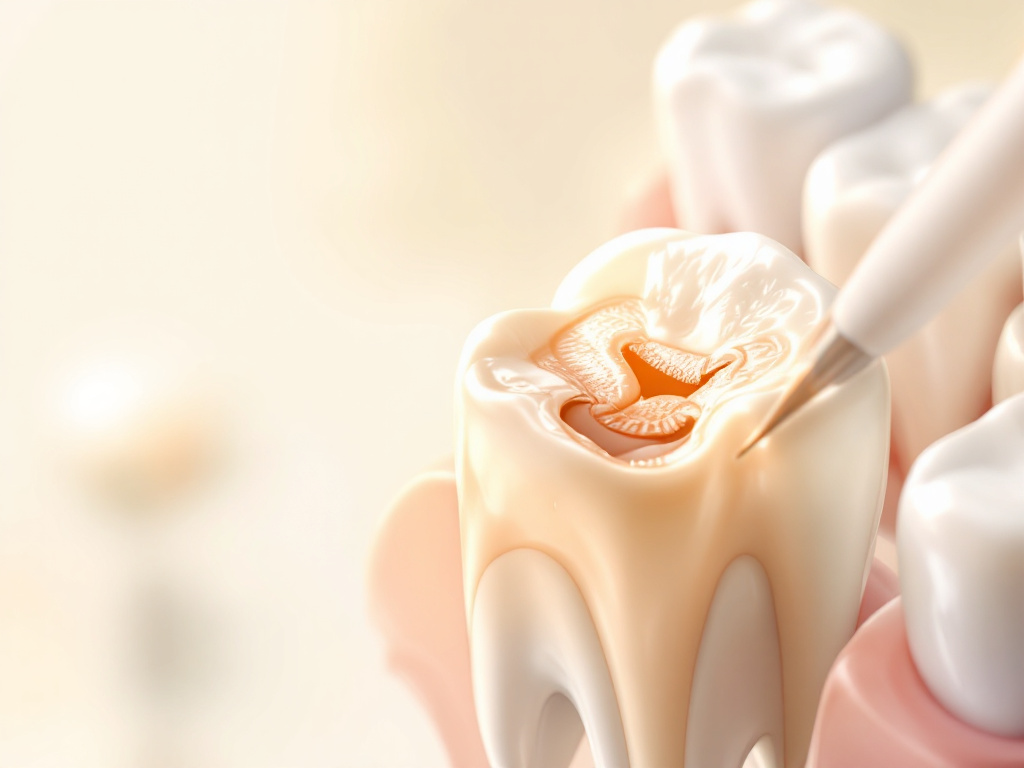
A dental abscess occurs when pus accumulates in the bone around a tooth as a result of bacterial infection, which may stem from factors such as tooth decay, periodontal disease, or dental injury. While dental abscesses cause considerable discomfort, it’s vital to recognize that self-care measures cannot substitute professional dental intervention. Nevertheless, some home remedies can provide temporary symptom relief until you receive professional treatment. Symptoms of a Dental Abscess The primary indication of a dental abscess often manifests as an intense, persistent toothache characterized by a pulsating sensation. Other potential symptoms include: Dental Abscess Self-Care for Symptom Relief While dental abscess self-care cannot cure the infection, it can offer temporary relief from some symptoms until you see a dentist. However, it is important to remember that these measures are not substitutes for professional treatment: 1. Pain Management: Non-prescription pain medications might provide short-term comfort. Yet, it’s advisable to seek guidance from a medical practitioner prior to usage, particularly if dealing with underlying ailments or taking other medications. Keep in mind that self-care for dental abscesses is not a substitute for professional dental intervention. 2. Soothing the Area: Warm Salt Water Rinses Mixing half a teaspoon of table salt in a glass of warm water and gently rinsing your mouth several times a day can help reduce swelling and discomfort. The warm water promotes circulation, while the salt helps draw out pus and bacteria. Cold Compress Application Applying a cold compress to the outside of your cheek, near the affected area, for 15 minutes at a time, followed by 15 minutes off, can help reduce swelling and pain. Do not apply ice directly to the skin, as it can cause tissue damage. 3. Gentle Oral Hygiene: Soft Toothbrush and Gentle Brushing Use a soft-bristled toothbrush and brush your teeth gently twice a day, to remove food debris and plaque. Avoid brushing the painful area directly, but clean the surrounding teeth carefully. Flossing While flossing is important for oral hygiene, avoid flossing around infected teeth to prevent irritation and worsening of the infection. Opt for gentle brushing and mouthwash use, and consult a dentist promptly for treatment. What to Avoid with a Dental Abscess While dental abscess self-care can offer temporary relief, it’s crucial to avoid certain practices that can worsen the condition: Importance of Seeking Professional Dental Care If you suspect you have a dental abscess, seeking professional dental care is crucial. A dentist can accurately diagnose the source of the infection, drain the abscess, and recommend appropriate treatment, which may include antibiotics, root canal therapy, or tooth extraction. Delaying professional care can lead to serious complications, including: Avoiding Dental Abscesses Maintaining proper oral care is crucial in warding off dental abscesses. This involves: By adhering to these guidelines and promptly seeking medical assistance if symptoms arise, you can effectively stave off dental abscesses and uphold excellent oral hygiene. When to Seek Immediate Medical Attention While dental abscess self-care can offer temporary relief from some symptoms, it’s crucial to remember that it cannot replace professional dental treatment. If you experience any of the following in conjunction with a dental abscess, seek immediate medical attention: Remember, early diagnosis and treatment of a dental abscess are essential to prevent complications and ensure a full recovery. If you are unsure about any of your symptoms, err on the side of caution and seek professional medical attention immediately. Find Fast Relief from Dental Abscess at Belmont Dental Associates Experiencing a throbbing toothache and suspecting a dental abscess? Don’t wait for the pain to worsen or risk serious complications. Belmont Dental Associates is here to help! Our team of experienced and compassionate dentists can diagnose the source of your pain, provide effective treatment, and get you back on the road to a healthy smile. At Belmont Dental Associates, your comfort and well-being are our top priorities. We offer gentle, personalized care and ensure you understand every step of the treatment process. Don’t suffer in silence! We understand the discomfort and anxiety a dental abscess can cause. Schedule an appointment online to browse our convenient appointment times and book your visit in just a few clicks. Contact us today and experience the difference expert dental care can make. Take control of your oral health today! Conclusion Remember, a dental abscess is a serious condition that requires prompt professional attention. While dental abscess self-care can offer temporary relief from some symptoms, it should never be considered a substitute for professional treatment. If you suspect a dental abscess, seek professional care immediately to avoid potential complications and ensure a full recovery. Early diagnosis and treatment are crucial for a healthy mouth and a pain-free smile. FAQs 1. Can I use home remedies like clove oil or garlic to treat a dental abscess? While some people recommend home remedies like clove oil or garlic for toothaches, there is limited scientific evidence to support their effectiveness and safety for treating dental abscesses. In fact, these remedies may irritate the gums and worsen the infection. It’s crucial to avoid using any home remedies without consulting a healthcare professional first. 2. Is it safe to eat and drink normally with a dental abscess? Eating and drinking can be challenging with a dental abscess due to pain and swelling. However, staying hydrated is important for overall health and can help fight the infection. Opt for soft, bland foods and lukewarm liquids while avoiding sugary drinks and hard or crunchy foods that can put pressure on the infected tooth. 3. How long can I expect the symptoms of a dental abscess to last with self-care alone? Dental abscess self-care cannot cure the infection and will not eliminate the symptoms. While pain relievers and warm salt rinses may offer temporary relief, the underlying infection will persist until treated by a dentist. Early professional intervention is crucial to prevent complications and promote healing.
Veneers Cost: Everything You Need to Know

Dental veneers have gained significant popularity as a cosmetic dentistry choice for enhancing your smile by addressing various dental flaws. Yet, before making the decision to get veneers, it’s vital to grasp the determinants that impact their price. In this comprehensive guide, we will delve into the details of veneers cost, what influences it, average prices, financing options, and tips to manage costs effectively. What Exactly Are Dental Veneers? Before delving into the financial aspect, it’s essential to establish a clear understanding of dental veneers. These are remarkably thin shells, usually crafted from either composite resin or porcelain. They are intricately crafted to match the contours of your teeth’s front surface, significantly improving the look of teeth impacted by problems such as staining, alignment issues, chips, or wear and tear. Veneers have gained popularity due to their ability to deliver a remarkably natural and aesthetically pleasing smile transformation. Factors Influencing Veneers Cost The cost of veneers can vary significantly from one case to another. Several factors come into play when determining the overall price: Material Choice Number of Veneers Needed The number of veneers required significantly impacts the overall cost. Some patients opt for veneers on just a few teeth, while others choose a full smile makeover with veneers on all visible teeth. Dentists often offer a discounted rate when multiple veneers are done in a single treatment. Geographic Location The cost of dental services, including veneers, can vary depending on where you live. Major metropolitan areas and regions with a high cost of living may have higher prices than more rural areas. Therefore, it’s advisable to research local prices and consider traveling if it can lead to significant savings. Dentist’s Expertise and Reputation The skill and reputation of the dentist performing the procedure can also influence the cost. Highly experienced and renowned cosmetic dentists may charge more for their services. However, choosing a qualified dentist is essential to achieving the best results with veneers. Additional Procedures In some cases, additional dental procedures may be necessary to prepare the teeth for veneers or to achieve the desired result. These can include teeth whitening, gum contouring, or orthodontic work. The cost of these supplementary treatments should be factored into the overall budget. Average Cost of Veneers The price range for veneers can be quite diverse, making it beneficial to gain a rough understanding of typical costs before making an educated choice. National Averages In the US, the cost of porcelain veneers typically falls within the range of $1,000 to $3,000 per tooth, whereas composite veneers usually vary between $250 and $1,500 per tooth. It’s essential to note that these figures are approximate and can fluctuate based on the aforementioned factors we’ve covered in detail. Regional Price Variations Prices can differ significantly between states and cities, so it’s crucial to obtain quotes from local dentists to get a more accurate assessment of the cost in your area. Elements like the local cost of living and competition within your region can result in price discrepancies. Therefore, it’s crucial to engage in thorough research and consult with professionals in your specific geographic area to ensure you make an educated choice regarding your veneers. Porcelain vs. Composite Porcelain veneers are generally more expensive than composite veneers due to the materials used and the production process. Composite veneers offer a more budget-friendly option, making them accessible to more patients. Consultation and Treatment Planning The initial consultation with your dentist is a crucial step in the veneer process. In this consultation, your dentist will evaluate your oral well-being, engage in goal-oriented discussions, and formulate a personalized treatment strategy. The consultation fee is usually separate from the cost of the veneers themselves. During this consultation, your dentist will take into account variables such as the veneer material, the quantity required, and any supplementary treatments necessary. It’s a valuable occasion to inquire about the procedure, voice any concerns, and gain a comprehensive understanding of the treatment’s entirety. Once the treatment plan is finalized, your dentist will provide you with a cost estimate based on your specific needs and goals. It’s essential to clearly understand the expected costs before proceeding with the treatment. Financing Options Understanding the cost of veneers is one thing, but finding a way to pay for them is another. Here are some financing options to consider: Tips for Managing Veneers Cost While veneers can be a significant investment, there are ways to manage the costs effectively: Budgeting and Saving Plan ahead and save for your veneer treatment. Create a budget and set aside a portion of your income specifically for dental expenses. Exploring Affordable Alternatives If porcelain veneers are beyond your budget, consider composite veneers as a more affordable alternative that can still substantially improve your smile. Multiple Quotes Don’t hesitate to seek multiple quotes from different dentists. This can help you compare prices and find a dentist who offers competitive rates without compromising quality. Prioritizing Oral Health Maintaining good oral hygiene is essential for prolonging the lifespan of your veneers. Regular dental check-ups and cleanings can prevent costly issues in the future. Risks and Benefits of Veneers As you consider the cost of veneers, it’s essential to weigh the potential risks and benefits: Risks: Benefits: Belmont Dental Associates: Your Path to Affordable Veneers Belmont Dental Associates is your trusted partner for those seeking high-quality dental services in the Belmont area. Our experienced team of dentists specializes in a wide range of dental procedures, including veneers, ensuring you achieve the perfect smile you’ve always dreamed of. If you’re considering veneers and are concerned about the cost, we’re here to help. Schedule a consultation with our skilled dentists to discuss your unique needs and goals. During this consultation, we will provide you with a customized treatment plan and a transparent cost estimate tailored to your specific requirements. Don’t let the cost of veneers deter you from achieving the smile you deserve. Contact Belmont Dental Associates today to schedule your consultation and take the first step towards
Can’t Sleep Due To Extreme Tooth Pain

Extreme tooth pain can be excruciating and can wreak havoc on your ability to get a good night’s sleep. This article explores the connection between extreme tooth pain and disrupted sleep, delves into the causes and symptoms of tooth pain, and provides actionable advice on managing it for better sleep. At Belmont Dental Associates, we understand the importance of addressing dental issues promptly, so let’s dive into this informative guide to help you find relief and improve your sleep quality. Understanding Tooth Pain Tooth pain is a distressing experience, and when it becomes extreme, it can be unbearable. It’s crucial to grasp the various common causes of extreme tooth pain, as each may require a different approach for relief: Dental Cavities (Tooth Decay): Dental cavities, commonly known as tooth decay, can lead to intense pain when the infection progresses deep into the tooth, affecting the nerve inside. This can result from poor oral hygiene, sugary diets, or inadequate dental care. Gum Disease (Gingivitis and Periodontitis): Gum diseases, such as gingivitis and periodontitis, can be significant contributors to tooth pain. These conditions affect the supporting structures of your teeth, including the gums and bone. As they worsen, they can lead to gum recession, exposing sensitive tooth roots, which can cause extreme discomfort. Tooth Infections (Pulp or Root Canal Infections): Infections that occur within the dental pulp or root canals of your teeth can result in severe and throbbing pain. These infections often manifest as a sharp, shooting discomfort that radiates through your jaw and face. Prompt treatment is essential to prevent the infection from spreading further. Tooth Trauma (Cracked or Fractured Teeth): Tooth trauma, typically stemming from accidents or injuries, can lead to extreme tooth pain. A cracked or fractured tooth can expose sensitive nerve endings, causing intense discomfort. Trauma can also damage the surrounding structures, exacerbating the pain. The Connection Between Tooth Pain and Sleep Extreme tooth pain can disrupt your sleep in several ways, making it a multifaceted challenge that goes beyond the immediate discomfort: Pain-Induced Insomnia: When tooth pain reaches an intensity that can only be described as extreme, falling asleep becomes an arduous task. The relentless throbbing or sharp sensations can keep you awake for hours, causing a condition known as pain-induced insomnia. This prolonged inability to drift into slumber not only leaves you fatigued but also heightens your anxiety about the pain itself. Frequent Awakenings: Even if, by sheer determination, you manage to fall asleep despite the searing toothache, your battle is far from over. Tooth pain can act like an unwelcome alarm clock throughout the night. It jolts you awake with its persistent ache, causing you to experience frequent awakenings. These disruptions further fragment your sleep, preventing you from enjoying the deep, restorative rest your body needs. Sleep Position Discomfort: Finding a comfortable sleep position can be akin to searching for a needle in a haystack when you’re grappling with tooth pain. The simple act of resting your head on a pillow or shifting your jaw can trigger sharp surges of discomfort. This constant struggle to find a position that minimizes pressure on the painful area adds to your sleep disturbances, leaving you tossing and turning in pursuit of relief. The impact of tooth pain on your sleep doesn’t stop at restlessness; it extends to your overall health and well-being. The stress and anxiety induced by sleepless nights can exacerbate dental problems, further complicating your situation. Moreover, the perpetual state of fatigue and daytime drowsiness stemming from disrupted sleep can negatively affect your productivity, mood, and overall quality of life. Managing Extreme Tooth Pain for Better Sleep If you find yourself in the grip of extreme tooth pain that disrupts your sleep, there are several strategies to consider: Seeking Professional Dental Care Dental issues should not be ignored. Regular dental check-ups are crucial for early detection of problems, but if you’re in acute pain, don’t hesitate to seek emergency dental services. Over-the-Counter Pain Relief Options Over-the-counter pain relievers like ibuprofen or acetaminophen can provide temporary relief while you await professional treatment. Home Remedies for Temporary Relief: Adjusting Sleep Habits: Preventing Future Tooth Pain The best way to deal with extreme tooth pain is to prevent it in the first place: Restoring Sleep and Dental Health with Belmont Dental Associates At Belmont Dental Associates, we understand the significance of addressing extreme tooth pain promptly. Our team of experienced dentists is dedicated to providing you with the highest level of care to alleviate your pain and help you regain your sleep. Our services include: If you’re experiencing extreme tooth pain affecting your sleep, contact us for immediate assistance. Your comfort and oral health are our top priorities. Contact Belmont Dental Associates now to schedule an appointment and end extreme tooth pain that won’t let you sleep! Conclusion Extreme tooth pain can be a nightmare, especially when it keeps you from getting a good night’s sleep. Addressing dental issues promptly is essential to prevent sleep disturbances and protect your overall health. Remember, at Belmont Dental Associates, we are here to provide the care and support you need to manage extreme tooth pain and enjoy restful nights. Don’t let tooth pain disrupt your life; take action today and reclaim your sleep and well-being.
How to Fix Grinded Teeth

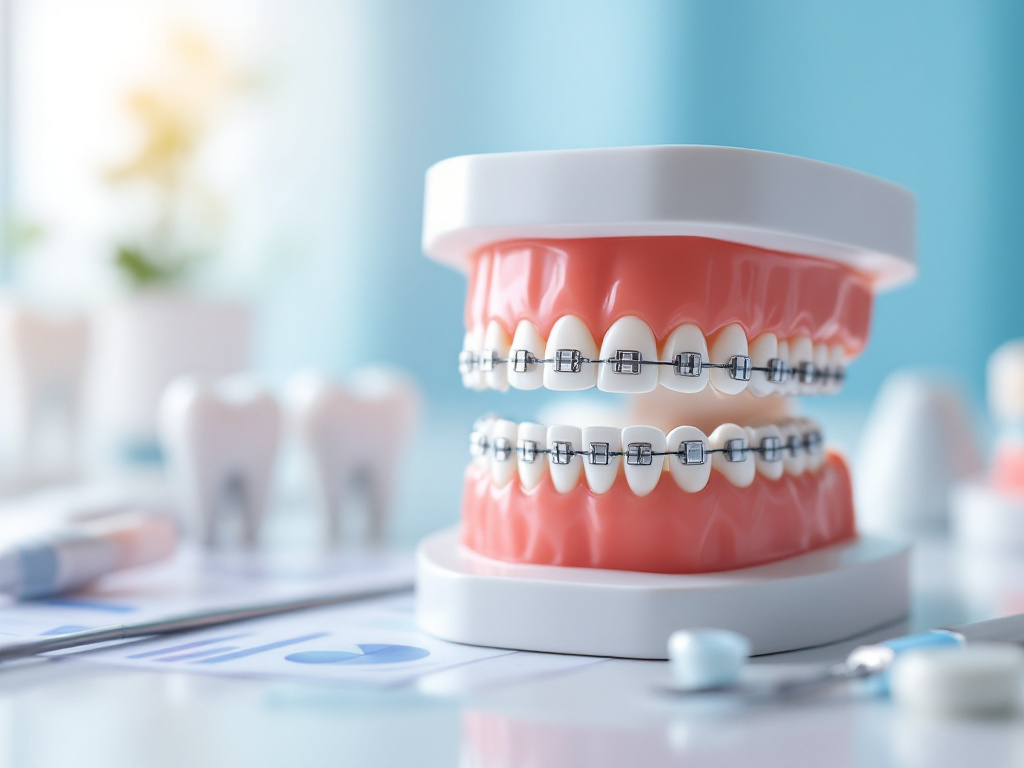
In the realm of dental health, the persistent and often involuntary act of grinding one’s teeth, known as bruxism, is a topic that deserves careful attention. Whether you’re familiar with this issue or just beginning to explore its intricacies, understanding how to fix grinded teeth is essential for preserving your smile and overall well-being. In this informative article, we will delve into the complexities of bruxism, examining its underlying causes and the potential repercussions it can have on your oral health. Most importantly, the specialized insights and treatments offered by Belmont Dental Associates to help you regain the comfort and confidence of a healthy smile. Understanding Teeth Grinding (Bruxism) Bruxism, commonly called teeth grinding, is characterized by the clenching and grinding of teeth, which can occur both during the day and while asleep. This condition can be divided into two main categories: Common Causes of Teeth Grinding Understanding the root causes of bruxism is essential to address the issue effectively. Some of the most common causes include: Recognizing the Symptoms of Teeth Grinding Identifying the symptoms of teeth grinding is crucial for early intervention. Common signs and symptoms include: How to Fix Grinded Teeth: Treatment Options Now that we’ve discussed the causes and consequences of teeth grinding, it’s time to explore the various ways to fix grinded teeth. Belmont Dental Associates, a trusted dental practice, offers expert insights and solutions to help you regain your oral health. Custom Nightguards One of the most common and effective methods to address teeth grinding is the use of custom-fitted nightguards. These dental appliances are designed to fit comfortably over your teeth and act as a protective barrier. Nightguards not only prevent further damage to your teeth but also alleviate the symptoms associated with bruxism, such as jaw pain and headaches. Belmont Dental Associates specializes in crafting custom nightguards tailored to your unique needs, ensuring maximum comfort and protection. Stress Management As mentioned earlier, stress and anxiety are significant contributors to teeth grinding. Belmont Dental Associates emphasizes the importance of stress management techniques to address the root causes of bruxism. Patients are encouraged to explore relaxation methods, such as yoga, meditation, or counseling, to reduce stress levels and potentially alleviate teeth grinding. Orthodontic Treatment For individuals with misaligned teeth or bite issues, orthodontic treatment can be a long-term solution to fix grinded teeth. Belmont Dental Associates offers a range of orthodontic options, including braces and Invisalign, to correct tooth alignment and bite problems. By addressing the underlying causes of bruxism, orthodontic treatment can effectively reduce teeth grinding over time. Lifestyle Modifications Making certain lifestyle changes can also contribute to fixing grinded teeth. Belmont Dental Associates advises patients to reduce or eliminate habits that exacerbate bruxism, such as excessive alcohol consumption, smoking, or recreational drug use. Moreover, maintaining a balanced diet and staying hydrated can positively impact overall oral health. Medication Adjustment If teeth grinding is triggered or exacerbated by specific medications, consulting with a healthcare provider to explore alternative treatments or adjustments to medication dosage may be necessary. Belmont Dental Associates works closely with patients and their healthcare providers to find solutions that minimize the side effects of medications on dental health. Sleep Apnea Treatment For individuals with concurrent sleep apnea and bruxism, addressing the sleep disorder can indirectly help fix grinded teeth. Belmont Dental Associates offers treatment options for sleep apnea, which can lead to improved sleep quality and a reduction in nighttime teeth grinding. The Importance of Seeking Professional Help Fixing grinded teeth and managing bruxism effectively requires the expertise of a dental professional. Belmont Dental Associates is committed to providing personalized care to address each patient’s unique needs. While over-the-counter mouthguards are available, custom-made devices provided by a dentist offer superior comfort and protection. Discover the comprehensive range of dental services offered by Belmont Dental Associates. From preventive care to restorative treatments and cosmetic dentistry, we have the expertise to meet all your dental needs. Explore our services and find the solutions you’ve been searching for. Ready to address your teeth grinding issue and reclaim your oral comfort? Schedule a consultation with Belmont Dental Associates today. Our team of dental experts is standing by to assess your unique situation and provide tailored recommendations to fix grinded teeth. Conclusion Grinded teeth, or bruxism, is a common dental issue that should not be ignored. If you or a loved one experiences symptoms of teeth grinding, it is essential to seek professional dental care. At Belmont Dental Associates, we are committed to helping you overcome this condition and preserve your dental health. Don’t let grinded teeth affect your quality of life. Contact Belmont Dental Associates today to schedule a consultation and take the first step towards a healthier, happier smile. FAQs What are the potential consequences of untreated teeth grinding? Neglected bruxism, or teeth grinding left untreated, may result in a range of dental issues, such as enamel erosion, heightened tooth sensitivity, discomfort in the jaw, persistent headaches, and the potential for teeth to develop cracks or fractures. Can children experience teeth grinding, and should parents be concerned? Yes, children can experience teeth grinding, a condition known as pediatric bruxism. While it is relatively common and often resolves on its own, parents should monitor the situation and consult a dentist if the grinding persists or is causing discomfort. How do I know if I need a custom night guard, and how does it help prevent teeth grinding? A dentist will evaluate your dental health and recommend a custom night guard if necessary. Night guards create a protective barrier between your upper and lower teeth, reducing the impact of grinding and preventing further damage to your teeth and jaw. Are there natural remedies or lifestyle changes that can help alleviate teeth grinding? Yes, certain lifestyle changes and relaxation techniques can help reduce teeth grinding, especially if it is stress-related. Strategies such as stress management, avoiding excessive caffeine and alcohol, and maintaining a healthy sleep routine can be beneficial. Is teeth grinding reversible, and can
What Are All-on-4 Dental Implants?

Dental health is a crucial aspect of overall well-being, and losing teeth can be a distressing experience. Fortunately, advancements in dental technology have led to innovative solutions, one of which is the All-on-4 dental implant procedure. In this comprehensive guide, we will explore everything you need to know about All-on-4 dental implants, from the procedure itself to its benefits and suitability for different individuals. Understanding the All-on-4 Dental Implant Procedure The All-on-4 dental implant procedure represents a significant advancement in modern dentistry, offering individuals with extensive tooth loss or failing teeth a comprehensive solution that provides both aesthetic and functional benefits. This innovative technique is designed to restore your smile, confidence, and overall quality of life. The Benefits of All-on-4 Implants Before diving into the procedure, let’s explore the numerous benefits of All-on-4 dental implants: Who is a Suitable Candidate for All-on-4 Dental Implants? Now, let’s determine if you’re a suitable candidate for All-on-4 dental implants. This procedure is ideal for: The All-on-4 Procedure: Step by Step The All-on-4 dental implant procedure is a meticulously orchestrated series of steps that combines advanced technology, surgical precision, and artistry to restore your smile and oral function. At Belmont Dental Associates, we take great pride in providing this transformative treatment with the utmost professionalism and care. Here, we walk you through each step of the All-on-4 procedure in detail, emphasizing the precision and expertise involved: Step 1: Consultation and Evaluation The journey to a renewed smile begins with a thorough consultation and evaluation. Our team of experienced dental professionals at Belmont Dental Associates conducts a comprehensive assessment of your oral health. This involves a detailed examination of your remaining teeth, gums, and jawbone structure. We also take X-rays and may employ advanced imaging techniques to gain a comprehensive view of your dental anatomy. During this consultation, we engage in open and honest communication with you. Your input regarding your expectations, concerns, and aesthetic preferences is highly valued. We take the time to listen to your goals, ensuring that our treatment plan aligns perfectly with your desires. Step 2: Customized Treatment Planning Following the evaluation and discussion of your expectations, we create a customized treatment plan tailored specifically to your needs. This plan serves as a comprehensive roadmap for the All-on-4 procedure, detailing every aspect of your dental transformation. Precision and personalization are the guiding principles in crafting this plan, ensuring that your unique circumstances are considered at every stage. Step 3: Digital Impressions and Imaging To achieve the highest level of precision in our treatment, we utilize state-of-the-art digital impressions and imaging technology. These advanced tools generate intricate 3D images of your mouth and jaw, providing us with a clear and detailed view of your dental anatomy. This digital approach not only enhances the accuracy of our planning but also allows us to minimize any discomfort and recovery time for you. Step 4: Implant Placement The heart of the All-on-4 procedure lies in the strategic placement of four titanium implants into your jawbone. Our skilled oral surgeons perform this delicate procedure with the utmost care and precision. The specific placement of these implants is calculated to maximize stability and minimize the need for additional bone grafting, which is often necessary with traditional dental implant techniques. The result is a secure, long-lasting foundation for your new set of teeth, eliminating the inconvenience and insecurity of adhesive or removable dentures. Step 5: Temporary Prosthesis Attachment While your implants initiate the crucial process of osseointegration—where they gradually fuse with your natural bone—we attach a temporary prosthesis. This temporary set of teeth ensures that you can resume basic oral functions, including eating and speaking, during the healing phase. It also gives you a preview of your final smile, allowing you to experience the transformation firsthand. Step 6: Healing Phase and Osseointegration The healing phase is a critical period during the All-on-4 procedure. Over the course of several months, the titanium implants form a strong bond with your natural bone through a process known as osseointegration. Our team meticulously monitors your progress during this phase to ensure the implants are integrated as expected. This is a testament to our commitment to achieving the highest standards of success and safety in your treatment. Step 7: Designing and Crafting the Final Prosthesis With successful osseointegration, we reach the exciting final phase of the All-on-4 procedure. Our highly skilled dental technicians, equipped with the latest technology and a keen eye for detail, design and craft your permanent prosthesis. This prosthetic device is meticulously customized to fit flawlessly in your mouth and replicate the appearance and function of natural teeth. Our dedication to precision and aesthetics ensures that your new smile looks and feels incredibly natural. Advantages of All-on-4 Dental Implants What to Expect During Recovery Belmont Dental Associates: Your Partner in All-on-4 Dental Implants At Belmont Dental Associates, we are dedicated to helping you achieve a stunning smile and optimal oral health through the transformative All-on-4 dental implant procedure. Our team of highly skilled dental professionals understands the profound impact that a beautiful smile can have on your self-confidence and overall quality of life. Why Choose Belmont Dental Associates for All-on-4 Dental Implants? Schedule Your Consultation with Belmont Dental Associates Today Your journey to a renewed smile and enhanced quality of life begins with a consultation at Belmont Dental Associates. Take the first step towards regaining your confidence and oral functionality by scheduling a consultation with us today. Conclusion All-on-4 dental implants offer a transformative solution for individuals dealing with tooth loss. This innovative procedure provides enhanced aesthetics, restored functionality, and long-term durability. Whether you are missing or have failing teeth or simply seek a permanent dental solution, All-on-4 implants can give you a reason to smile confidently.
How Long Does It Take To Get Dental Implants: The Implant Timeline

Dental implants have emerged as a groundbreaking innovation for individuals seeking a resilient and natural-looking solution to address tooth loss. The path to acquiring dental implants involves a complex process that unfolds through several intricate phases. From your initial consultation with your dentist to the moment when the implant is firmly anchored, this transformative journey typically spans a duration of three to nine months. In this comprehensive guide, we will dive into the nuances of the dental implant procedure, closely examining the materials utilized and the chronological sequence of each essential step. Preparing for Dental Implant Surgery: Essential Steps to Take Getting ready for dental implant surgery is critical to achieving a confident and healthy smile. Here are crucial guidelines to assist you in preparing for this transformative procedure: Schedule a Dental Examination The first step is to arrange a comprehensive dental examination with your trusted dentist. This examination will assess your oral health and determine your suitability for dental implants. It serves as the cornerstone for crafting a personalized treatment plan tailored to your unique needs. Prepare for Jaw Surgery Depending on your specific case, your dentist may recommend preparatory procedures to ensure your jaw is optimally prepared for implant surgery. This might involve bone grafting or other treatments to enhance the condition of your jaw for successful implant placement. Limit Smoking and Alcohol Intake In the lead-up to your surgery, it’s advisable to cease smoking and reduce or abstain from alcohol consumption. Smoking can hinder the healing process, while alcohol can interfere with anesthesia and the effectiveness of post-operative medications. Prioritize Rest and Comfort Ensure you get a good night’s rest before the surgery. Create a comfortable and tranquil environment at home where you can recover after the procedure. Make arrangements for a responsible individual to drive you to and from the surgical appointment, as you may not be fit to drive immediately afterward. Plan for Healing and Downtime Expect some downtime following the surgery. It’s crucial to adjust your schedule and clear your calendar for a few days to focus on healing and recovery. Your dentist will provide specific post-operative care instructions to follow during this crucial period. Stock Up on Soft Foods Your mouth may be sensitive in the days following the surgery, so it’s a wise idea to stock up on soft, easy-to-consume foods. Consider items such as yogurt, smoothies, mashed potatoes, and soup to make your recovery period more comfortable. Dental implant surgery offers a lasting solution for replacing missing or damaged teeth, improving both functionality and aesthetics. Once fully integrated with your jawbone, the implant can last a lifetime with proper care. By diligently following these preparation steps and collaborating closely with your dental team, you can pave the way for a successful dental implant surgery and enjoy the benefits of a beautifully restored smile. The Dental Implant Journey Unveiled Exploratory Consultation Embark on your path to dental implants with an exploratory consultation alongside your dental care team. This pivotal meeting delves into your oral health history, evaluates the current condition of your teeth and gums, and delves into your specific needs and expectations. The consultation serves as the cornerstone for a tailored treatment plan, factoring in considerations such as missing teeth, jawbone health, and potential challenges. Customized Treatment Blueprint Following the initial consultation, your dentist meticulously crafts a personalized treatment blueprint to address your unique circumstances. This blueprint outlines the precise steps to be taken, including the selection of dental implants and any supplementary procedures, such as bone grafts or sinus lifts, if deemed necessary. Tooth Extraction (if Required) In some instances, the removal of a damaged or decayed tooth may be necessary before proceeding with the implant placement. This step ensures a clean slate and sets the stage for the successful execution of the implant procedure. Bone Augmentation (if Needed) Individuals with insufficient bone density in the jaw may require a bone augmentation procedure. This process involves strengthening the jawbone to establish a stable foundation for the implant. While it extends the overall timeline by several months, this crucial step allows the grafted bone to integrate seamlessly with the existing structure. Implant Placement With the jawbone primed and prepared, the focal point shifts to the actual implant placement. A titanium implant, resembling a miniature screw, is surgically embedded into the jawbone. This implant mimics the function of a natural tooth root and necessitates a period for osseointegration—an essential process during which the implant securely bonds with the surrounding bone tissue, ensuring the long-term stability of the implant. Abutment Attachment Following successful osseointegration, an abutment is affixed to the implant. This small connector extends above the gum line and serves as the anchor for the final prosthetic tooth. Prosthesis Crafting Subsequent to abutment placement, your dentist will take impressions of your oral structure to craft a tailor-made dental crown or bridge meticulously. This prosthetic piece is expertly designed to replicate your natural teeth’ color, size, and shape, guaranteeing a seamless integration with your existing smile. Prosthesis Affixation The ultimate phase involves securely attaching the prosthesis to the abutment. Your dentist will make any necessary adjustments to ensure a precise fit and optimal functionality. Once in place, your new tooth or teeth will closely emulate the look and feel of your natural dentition, enabling you to showcase a confident smile while enjoying improved oral function. The Benefits of Dental Implants While the path to acquiring dental implants demands commitment, their many advantages make it a journey worth pursuing. Here are some compelling reasons to choose dental implants as your preferred tooth replacement solution: Essential Dental Implant Care Tips Achieving the lasting success and longevity of your dental implants relies on dedicated aftercare and maintenance. Here are valuable guidelines for taking care of your dental implants following their placement: Remember that consistent aftercare and maintenance are crucial for safeguarding your investment in dental implants. By adhering to these guidelines and maintaining open communication with your dental care team, you can enjoy the enduring
What Do Dental Implants Look Like?

Dental implants have improved the field of dentistry, providing a robust solution for individuals seeking a permanent replacement for missing teeth. Find out about this wonderful dental procedure and embark on a journey through the fascinating world of dental aesthetics. In this article, we’ll delve into the components of dental implants, the materials used, the process of achieving a natural look, and much more. The Components of Dental Implants Implant Fixture The implant fixture serves as the foundation of the dental implant. It’s the part that’s surgically placed into the jawbone, providing stability and mimicking the root of a natural tooth. This fixture fuses with the bone over time, ensuring a secure and long-lasting anchor for the rest of the implant. Abutment The abutment connects the implant fixture to the prosthetic crown. This component protrudes from the gumline and plays a crucial role in supporting the visible portion of the implant. It’s responsible for ensuring the proper alignment and attachment of the crown. Prosthetic Crown The prosthetic crown is the part of the implant that is visible above the gum line. It’s custom-made to match your natural teeth’ shape, size, and color, seamlessly blending in with your smile. The crown is designed not only for aesthetics but also for functional chewing. Implant Materials and Their Aesthetic Appeal Ceramic Implants Ceramic implants are known for their ability to resemble the appearance of natural teeth closely. They are non-metallic and offer a high level of biocompatibility, making them an ideal choice for individuals concerned about metal allergies. Zirconia Implants Zirconia implants boast exceptional strength and durability. They are known for their white color, contributing to a natural look. Zirconia implants are favored for their ability to transmit light similar to natural teeth, providing a lifelike appearance. Titanium Implants Titanium implants are commonly used due to their excellent integration with the jawbone and long-term stability. While they may not be as tooth-colored as ceramic or zirconia, their strength and reliability make them a popular choice. Mimicking Natural Teeth: Shape and Size Creating dental implants that mirror the shape and size of your natural teeth is a delicate art. Dentists meticulously assess factors such as the size of adjacent teeth, the overall arch, and the patient’s facial structure. This attention to detail ensures that the implant fits harmoniously within the smile, preventing any awkward or disproportionate appearance. Color Matching and Shade Selection Achieving the right color match is vital for an implant to blend seamlessly with your existing teeth. Dentists use shade guides to select the closest match, considering factors like the color of adjacent teeth and age to ensure a natural look. Texture and Surface Finish Dental implants’ texture and surface finish play a significant role in mimicking natural teeth. Dental technicians use techniques to replicate the slight imperfections found on natural teeth, giving implants a more organic appearance. Implant Placement and Angulation Gum Tissue Integration Proper integration of the implant with the surrounding gum tissue is essential for a natural look. Skillful surgical techniques and precise placement ensure that the implant emerges from the gumline like a natural tooth. Handling Spacing and Alignment Correct spacing and alignment are vital to avoid an overcrowded or uneven appearance. Dental professionals consider the patient’s bite, jaw alignment, and overall facial structure when placing implants. Longevity and Aesthetic Sustainability Patient Consultation and Customization During the consultation, your dentist will discuss your expectations and preferences. Understanding your aesthetic goals helps you customize the implant to match your desired look. Before-and-After Cases Visualizing Dental Implant Results: Reviewing before-and-after cases allows patients to visualize the potential results of dental implants. This step helps align expectations and enhance patient satisfaction. Maintaining Implant Aesthetics: Oral Care and Hygiene The Role of Technology in Enhancing Implant Aesthetics Advancements in technology, such as digital impressions and computer-guided implant placement, contribute to achieving optimal aesthetics and functionality. Dental Implants and Cavities: A Shield of Strength One of the advantages of dental implants is their resistance to cavities. Unlike natural teeth, which can develop decay, implant materials remain impervious to dental caries, ensuring a lasting aesthetic appearance. Dental Implants and Dental Cleaning: Aesthetic Maintenance Implant aesthetics can be maintained through diligent oral hygiene practices. Regular brushing, flossing, and professional cleanings ensure that both the implant and surrounding natural teeth remain healthy and visually appealing. Dental Implants at Belmont Dental At Belmont Dental, we take pride in offering top-notch dental implant services that prioritize both aesthetics and functionality. Our experienced team understands that a confident smile goes beyond just having a complete set of teeth. It’s about restoring your self-assurance and the natural beauty of your smile. Our skilled professionals meticulously plan and execute every step of the dental implant process, ensuring that your implants look like natural teeth and provide the strength and stability you deserve. Are you ready to transform your smile and regain your confidence? Contact us today to schedule a consultation. Let us guide you through the journey of achieving dental implants that enhance your appearance and grant you the freedom to enjoy life to the fullest. Your journey to a stunning smile begins at Belmont Dental – where excellence in aesthetics meets exceptional dental care. Conclusion Dental implants offer a remarkable solution for restoring missing teeth while achieving a natural and aesthetically pleasing appearance. The careful selection of materials, meticulous placement, and ongoing oral care contribute to the longevity and beauty of dental implants.
Who Does Dental Implants?

Are you curious about the individuals responsible for transforming smiles and restoring confidence? Welcome to the world of dental implants, where a diverse team of professionals works diligently to ensure successful outcomes. From skilled surgeons to specialized prosthodontists, these experts collaborate to create a seamless journey for patients seeking dental restoration. Surgeons, with their precise hands and extensive knowledge of oral anatomy, lay the foundation for the implant procedure, ensuring the implant is securely placed in the jawbone. Prosthodontists, on the other hand, take the baton and excel in the art of creating lifelike dental prosthetics that blend seamlessly with natural teeth. They meticulously design and fabricate custom-made crowns, bridges, and dentures, ensuring optimal comfort and aesthetics. Together, these professionals form an unbeatable team dedicated to enhancing smiles and improving quality of life. Join us as we delve into the world of dental implants and explore the vital roles these experts play in creating stunning transformations. The Role Of Dentists In Dental Implant Procedures Dentists ensure dental implant success. Dentists help patients from consultation through post-op. They analyze the patient’s oral health, perform extensive exams, and decide whether dental implants are suitable. Dentists work with surgeons and prosthodontists to design customized treatment plans for each patient. Dentists collaborate with surgeons to install implants correctly. They help coordinate the surgery with the treatment plan. Dentists follow up after surgery. Regular check-ups, cleanings, and adjustments help dental implants last. Dentists educate patients about dental implants and provide technical competence. They address questions, hazards, and rewards. Dentists enable patients to make educated dental health and repair choices by providing thorough information. Understanding The Different Types Of Dental Professionals Involved The field of dentistry encompasses various specialties, each with its own unique focus and expertise. Understanding the roles of different dental professionals involved in dental implant procedures can help patients appreciate the collaborative effort behind successful outcomes. Let’s explore the key professionals involved in the dental implant process. Surgeons Oral and maxillofacial surgeons are highly skilled professionals who specialize in surgical procedures involving the mouth, jaw, and face. They play a critical role in dental implant procedures by placing the implant into the jawbone. Surgeons deeply understand oral anatomy and use their precise hands to ensure the implant is securely and accurately positioned. This requires careful planning, as the implant must fuse with the jawbone to create a stable foundation for the prosthetic tooth. Surgeons collaborate closely with dentists and prosthodontists to ensure seamless integration of the implant with the final restoration. Prosthodontists Prosthodontists are dental specialists who focus on restoring and replacing missing teeth. They excel in the art of creating lifelike dental prosthetics that blend seamlessly with natural teeth. Prosthodontists have advanced training in dental aesthetics, occlusion, and the science of materials. They work closely with dentists and surgeons to develop comprehensive treatment plans and ensure optimal outcomes for patients. Prosthodontists are responsible for designing and fabricating custom-made crowns, bridges, and dentures that restore function and provide natural-looking results. Periodontists Periodontists specialize in the prevention, diagnosis, and treatment of gum diseases. They play an essential role in dental implant procedures by ensuring the health of the gums and supporting structures. Before dental implant placement, periodontists evaluate the patient’s gum health and address any underlying periodontal issues. They may perform procedures such as scaling and root planing to treat gum disease or recommend bone grafting to enhance the jawbone’s strength and density. Endodontists Endodontists are dental specialists who focus on diagnosing and treating diseases and injuries to the dental pulp. While their primary role may not be directly involved in dental implant procedures, they play an essential role in preserving natural teeth as part of the overall treatment plan. Endodontists perform root canal treatments to save teeth that would otherwise require extraction. Orthodontists Orthodontists specialize in the alignment and positioning of teeth and jaws. While their primary focus is on orthodontic treatments such as braces and aligners, their expertise is valuable in dental implants. Orthodontists ensure that teeth are properly aligned and positioned before dental implant placement. This ensures that the final restoration results in a harmonious and balanced smile. Collaborative Approach: How These Professionals Work Together The success of dental implant procedures relies heavily on the collaborative approach taken by the various professionals involved. Dentists, surgeons, prosthodontists, periodontists, endodontists, and orthodontists work together as a team, leveraging their individual expertise to create a comprehensive treatment plan and achieve the best possible outcome for the patient. Dental Implants At Belmont Dental Associates At Belmont Dental Associates, we understand the importance of teamwork and collaboration in delivering successful dental implant procedures. Our team of highly skilled and experienced professionals, including dentists, surgeons, and prosthodontists, work together to provide comprehensive and personalized care to each patient. Our dentists conduct thorough evaluations and guide patients through every step of the treatment process. By working together as a cohesive unit, we are able to provide our patients with exceptional results and a seamless dental implant journey. From the initial consultation to the final restoration, our team is dedicated to delivering the highest standard of care and transforming smiles. Book an appointment with us now! Conclusion Dental implant procedures require the expertise and collaboration of various dental professionals, each playing a vital role in ensuring successful outcomes. Surgeons lay the foundation by precisely placing the implant in the jawbone, while prosthodontists excel in creating lifelike dental restorations that blend seamlessly with natural teeth. Periodontists, endodontists, and orthodontists contribute their expertise to create a comprehensive treatment plan tailored to each patient’s needs. The collaborative approach taken by these professionals maximizes the success rate of dental implant procedures and leads to stunning transformations. By understanding the roles and contributions of each dental professional, patients can appreciate the comprehensive care and expertise that go into creating beautiful, functional smiles.
How Long Does It Take For A Cavity To Form?

Did you know that tooth decay affects 3.9 billion people worldwide? It’s a staggering statistic that highlights the importance of understanding how cavities form and develop. Many people believe that cavities form overnight, but the truth is far more complex. The process of cavity formation is a gradual one, and it’s important to be aware of the hidden culprit that plays a significant role in this dental dilemma. In this article, we will delve into the intricacies of cavity formation, debunk common misconceptions, and shed light on the factors that contribute to this dental enemy. Whether you’re someone who religiously brushes and flosses or someone who occasionally indulges in sugary treats, understanding the timeline of cavity formation is crucial for maintaining optimal oral health. So, let’s uncover the hidden culprit and discover how long it really takes for a cavity to form. What is Dental Health? Dental health refers to the overall well-being of the teeth, gums, and mouth. It encompasses practices and habits that promote oral hygiene and prevent dental issues such as cavities, gum disease, and tooth loss. Maintaining good dental health is essential for a beautiful smile and overall health and well-being. Neglecting dental health can lead to various oral health problems, including tooth decay, which is the precursor to cavity formation. What is a Cavity? A cavity, also known as dental caries, is a decayed area in a tooth that has been damaged and has resulted in a hole or pit. Cavities are one of the most common dental problems, affecting people of all ages. They are caused by a combination of factors, including bacteria, acid, and poor oral hygiene. If left untreated, cavities can lead to pain, infection, and even tooth loss. Stages of Cavity Formation Plaque Buildup Cavity formation is a multi-stage process that begins with the buildup of plaque on the teeth. Plaque is a sticky film that forms on the teeth when bacteria in the mouth combine with saliva and food particles. If plaque is not removed through regular brushing and flossing, it can harden and turn into tartar, which is more difficult to remove and provides a breeding ground for bacteria. Enamel Demineralization The next stage in cavity formation is enamel demineralization. Enamel is the hard, protective outer layer of the tooth. When plaque and acids produced by bacteria come into contact with the enamel, they start to erode its mineral content, making it weaker and more susceptible to decay. Dentin Decay As the enamel continues to weaken, the cavity progresses to the dentin, which is the layer of the tooth beneath the enamel. Dentin is softer and less resistant to decay than enamel, so the cavity can progress more rapidly at this stage. Once the cavity reaches the dentin, it can spread more quickly and cause more significant damage to the tooth structure. Infection of the Pulp If left untreated, the cavity can progress even further and reach the pulp of the tooth. The pulp contains nerves and blood vessels and is essential for the tooth’s vitality. When the pulp becomes infected, it can lead to severe pain, abscesses, and even tooth loss. Factors Influencing the Speed of Cavity Formation While the process of cavity formation is generally gradual, the speed at which cavities develop can vary depending on several factors. Understanding these factors can help individuals take proactive measures to prevent cavities or seek timely treatment when necessary. Personal Oral Hygiene Maintaining good oral hygiene practices, such as brushing twice a day, flossing daily, and using mouthwash, is crucial for preventing cavities. Regular brushing and flossing help remove plaque and bacteria from the teeth, reducing the risk of enamel demineralization and cavity formation. Dietary Habits The foods and beverages we consume play a significant role in cavity formation. Sugary and acidic foods and drinks, such as soda, candy, and fruit juices, can contribute to the development of cavities. These substances provide an ideal environment for bacteria to thrive and produce acids that erode the tooth enamel. Limiting the consumption of sugary and acidic foods can help reduce the risk of cavities. Fluoride Usage Fluoride is a mineral that helps strengthen the enamel and protect against cavities. Using fluoride toothpaste and mouthwash, as well as drinking fluoridated water, can help prevent cavity formation. Fluoride remineralizes the enamel and makes it more resistant to acid attacks. Genetics and Underlying Health Conditions Some individuals may be more susceptible to cavities due to genetic factors or underlying health conditions. Certain genetic variations can affect the mineral content and strength of the enamel, making it more susceptible to decay. Additionally, conditions such as dry mouth, which reduces saliva production, can increase the risk of cavities, as saliva helps neutralize acids and wash away food particles. Prevention and Treatment of Cavities Preventing cavities is always better than treating them. By adopting good oral hygiene practices and making smart dietary choices, individuals can significantly reduce their risk of developing cavities. Here are some preventive measures that can help maintain optimal oral health: In cases where cavities have already developed, seeking prompt treatment is crucial to preventing further damage to the teeth. The treatment options for cavities depend on the extent of the decay and may include: Treat and Prevent Cavities with Belmont Dental Associates At Belmont Dental Associates, we are committed to providing comprehensive dental care to help our patients achieve and maintain optimal oral health. Our experienced dentists and dental hygienists use the latest techniques and technologies to effectively diagnose, treat, and prevent cavities. Whether you require a routine dental check-up, a filling, or a root canal, we are here to provide personalized care and ensure your comfort throughout the process. Don’t let cavities compromise your dental health. Contact Belmont Dental Associates today to schedule an appointment and take the first step toward a cavity-free smile. Conclusion In conclusion, cavities are not formed overnight but are the result of a gradual process involving plaque buildup, enamel demineralization, dentin decay, and potential infection of the
How Long Do Dental Implants Last? The Ultimate Guide

Do you want to have dental implants, but you’re concerned about how long they’ll last? Implant dentistry has changed how people think about replacing lost teeth for good. In this detailed manual, we will investigate the endurance of dental implants and examine the key factors contributing to their longevity. What is a Dental Implant? A dental implant is a substitute tooth root that is surgically implanted into the jawbone. There are three primary parts: the implant, the abutment, and the replacement tooth. Biocompatible dental implant materials, like titanium, integrate with the jawbone over time to provide a strong anchor for prosthetic teeth. Why is it Important? Dental implants are a great option for replacing lost teeth but have many other advantages. They aid in the restoration of function, enhancement of appearance, and preservation of oral health. Let’s go further into the benefits of getting dental implants. The Benefits Of Having Dental Implants Typical Steps for Getting Dental Implants Damaged Tooth Removal A tooth at the implant site may have to be removed due to injury or decay. Jawbone Preparation (Grafting) A bone grafting treatment may be required when the jawbone doesn’t have enough density or volume to support an implant. Dental Implant Placement Dental implants are artificial tooth roots that are placed into the jawbone via surgery. Bone Growth and Healing The implant will be very secure when the jawbone has healed and grown around it (a process known as osseointegration) during the following several months. Abutment Placement Once the implant has fused with the jawbone, an abutment may be placed on it to hold the prosthetic tooth in place. Artificial Tooth Placement The dental implant restoration is finished when a prosthetic tooth or crown is fitted to the abutment and cemented into place. What Affects The Lifespan Of Dental Implants? Several factors can influence the lifespan of dental implants. Let’s explore these factors in more detail. Oral Health Keeping up with regular brushing, flossing, and dental checkups is crucial to extending the life of dental implants. Lifestyle Choices For example, tobacco use and heavy drinking shorten the life of implants. If you want your dental implants to last as long as possible, quitting smoking and living a healthy lifestyle are two of the best things you can do for them. Injury or Damage Implant failure may be caused by oral or facial trauma. Avoid activities like contact sports without protective gear to protect your dental implants. Medical Conditions The presence of certain medical problems, such as uncontrolled diabetes or an autoimmune illness, might jeopardize dental implant success. Before getting dental implants, you and your dentist should thoroughly discuss your medical history. When to Get a Dental Implant Is the clock ticking on your tooth? Dental implants are ideal when you have missing teeth or when other procedures can’t save a tooth. It’s important to discuss getting dental implants with your dentist so they can confirm if it’s the right procedure for you. Understanding the Costs of Dental Implants Dental implants are a long-term investment, so knowing what to expect to pay is vital before making the commitment. Insurance and Payment Plans Insurance policies may or may not pay for dental implant surgery. Get in touch with your insurance company to learn more about your coverage choices. Dental practices often provide payment plans or financing solutions to make dental implant treatment more accessible to patients of all financial backgrounds. Maintenance of Dental Implants The success and durability of dental implants depend on regular care and upkeep. Let’s talk about how to keep your dental implants strong and healthy for as long as possible. Daily Cleaning Like natural teeth, dental implants need to be brushed and flossed regularly to keep them clean and free of plaque. It’s best to clean your teeth using a soft-bristled toothbrush and fluoride-free toothpaste. Regular Dental Check-ups and Dental Cleaning Professional cleaning and evaluation of your dental implants are possible with regular visits to your dentist. Your dentist will examine your implants, diagnose any problems, and treat them as needed so that they last as long as possible. How Long Do Dental Implants Last Compared to Other Dental Prosthetics? Dental implants have excellent longevity, but their endurance is best understood when compared to that of other dental prostheses. Let’s contrast dental implants with some more conventional tooth replacement options like bridges and dentures. Wow! As you can see, dental implants take home the trophy for longevity. The Global Perspective on Dental Implants Dental implants are not just an American phenomenon. They’re pretty popular across the globe. With advancements in dental technology, they have become the go-to solution for tooth replacement worldwide. The Future of Dental Implants What’s next? Dental implants are always changing because science is always evolving. Researchers are looking into new materials, methods, and tools to make tooth implants work better and last longer. Exciting new techniques, such as computer-guided implant placement and regeneration treatments will shape the future of dental implantology. Dental Implants at Belmont Dental Associates Why settle for second best? Belmont Dental Associates is your go-to place for top-notch dental implants. Our experienced professionals ensure a seamless experience. So, what are you waiting for? Book an appointment today! Conclusion At the end of the day, it all boils down to this—dental implants can last a lifetime if you give them the love and care they deserve. So why not make the leap? Take your smile to the next level with dental implants at Belmont Dental Associates. Contact us at frontdesk@belmont-dental.leeb69.sg-host.com or call us at 704-825-3455 now for a brighter smile and better tomorrow!