
Bonding Vs. Veneers: A Complete Guide

Seeking to elevate your smile? Cosmetic dentistry presents a range of options, with dental bonding and veneers among the most sought-after. Both treatments aim to enhance the aesthetics of your teeth, yet discerning the optimal choice can be perplexing. This comprehensive guide, crafted by Belmont Dental Associates, delves into the intricacies of bonding versus veneers, empowering you to make a well-informed decision. Cosmetic Dentistry Cosmetic dentistry has become a go-to option for individuals looking to improve their smiles. With modern technology and techniques, achieving that perfect smile is easier than ever. But what exactly falls under cosmetic dentistry? What is Cosmetic Dentistry? Cosmetic dentistry is a specialized field that focuses on enhancing the aesthetic appeal of teeth, gums, and smiles. This encompasses a wide range of treatments, from whitening and straightening to more intricate procedures such as veneers and bonding. The ultimate aim is to create a smile that is both visually pleasing and personally satisfying. The Role of Bonding and Veneers in Cosmetic Dentistry Among the many treatments in cosmetic dentistry, dental bonding, and veneers stand out for their ability to transform smiles quickly and effectively. Both treatments can mask imperfections and boost your confidence, but they do so in different ways. Let’s explore them in more detail. What is Dental Bonding? Dental bonding is one of the most versatile and cost-effective cosmetic treatments available at Belmont Dental Associates. It involves applying a tooth-colored resin to your teeth to improve their appearance. Definition and Overview of Bonding Dental bonding involves the application of a composite resin material directly to your teeth. This resin is sculpted, shaped, and polished to match your natural teeth. Materials Used in Bonding The composite resin used in bonding is a tooth-colored material that can be molded to the tooth’s surface. It is hardened with a special light, making it durable and long-lasting. How the Bonding Process Works The treatment for dental bonding is relatively simple. First, your dentist at Belmont Dental Associates will roughen the surface of your tooth and apply a conditioning liquid. Then, the resin is applied and shaped to fit your tooth. Once the resin hardens under a UV light, it’s polished to blend seamlessly with your smile. Benefits of Dental Bonding What Are Veneers? Veneers are another popular option in cosmetic dentistry, offering a more permanent solution to many of the same problems that dental bonding addresses. Definition and Overview of Veneers Veneers are thin shells made from porcelain or composite resin that cover the front surface of your teeth. They’re custom-made to fit your teeth perfectly and are bonded in place to create a flawless smile. Types of Veneers (Porcelain vs. Composite) There are two main types of veneers: How Veneers Are Applied The application of veneers involves removing a small amount of enamel from your teeth, making room for the veneer to fit perfectly. After impressions are taken, the custom veneers are bonded to your teeth, instantly enhancing their appearance. Benefits of Veneers Comparing Dental Bonding and Veneers Both bonding and veneers can improve your smile, but which one should you choose? Appearance: Bonding vs. Veneers Veneers typically provide a more natural and translucent appearance, closely mimicking the look of real teeth. Bonding can look natural, but its resin material is less reflective than porcelain. Durability: Which Lasts Longer? Porcelain veneers tend to last longer, often up to 15 years, while dental bonding may need touch-ups after 5-10 years. Maintenance: Which Is Easier to Care For? Bonding may require more maintenance over time, as the resin material is more prone to chipping. Veneers, while durable, can also be damaged but are generally more resistant to wear. Bonding Cost vs. Veneers Cost Dental bonding is significantly less expensive than veneers, but veneers offer more longevity and durability. It’s a trade-off between upfront costs and long-term benefits. Suitability for Different Dental Concerns Certain dental issues may be better suited for bonding, while others may require veneers. Bonding for Minor Imperfections Bonding is ideal for small chips, gaps, or discoloration. It’s a great solution if you’re looking for a quick and affordable fix. Veneers for Major Cosmetic Enhancements For more substantial cosmetic improvements—such as reshaping teeth or covering significant discoloration—veneers are the way to go. Which Option is Better for Chipped Teeth? Both options work well for chipped teeth, but veneers may offer a more long-lasting solution. Which Option is Better for Stained Teeth? If you’re dealing with severely stained teeth, veneers are the better option due to their ability to completely cover discoloration. Treatment Differences Between Bonding and Veneers The treatment for bonding and veneers differ in complexity and time. Time Required for Bonding vs. Veneers Bonding can be completed in a single dental visit, while veneers usually require two visits—one for preparation and another for fitting. Invasiveness of the Treatments Bonding is a less invasive treatment as it doesn’t require removing much tooth enamel. Veneers, on the other hand, necessitate the removal of a thin layer of enamel to fit the veneer properly. Pain and Discomfort During the Treatments Both treatments are relatively painless. Bonding rarely requires anesthesia, while veneers might need local anesthesia due to the removal of enamel. Longevity and Durability How long can you expect your new smile to last? Factors That Affect the Lifespan of Bonding and Veneers Factors such as oral hygiene, dietary habits, and wear and tear will affect how long both bonding and veneers last. Teeth grinding, for example, can shorten their lifespan. Maintenance and Care Maintaining your enhanced smile is crucial for long-lasting results. Aesthetic Results The aesthetic outcomes of both treatments are impressive, but there are differences. Exceptional Cosmetic Dentistry Services at Belmont Dental Associates At Belmont Dental Associates, we specialize in delivering high-quality cosmetic dental services, including both bonding and veneers. Our team uses the latest technology to ensure the best results for your smile. Whether you’re looking for a quick fix with bonding or a long-lasting solution with veneers, we’re here to guide you every step of
Tooth-Colored Dental Fillings
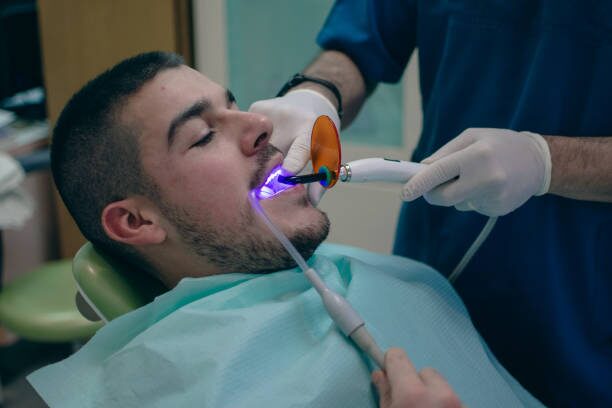
Tooth-colored fillings have transformed the way we approach dental care—giving patients not only a healthier smile but also a more natural look. As we dive into the details, you’ll discover why these fillings offered by Belmont Dental Associates have become a preferred choice for both patients and dentists alike. Understanding Tooth-Colored Fillings Tooth-colored fillings are dental restorations designed to mimic your teeth’ natural shade and texture. Unlike traditional silver amalgam fillings, they blend in seamlessly, making them an excellent choice for both front and back teeth. A Blend of Aesthetics and Function Tooth-colored fillings do more than just cover up signs of cavities—they enhance the aesthetic of your smile while restoring function, giving you the confidence to chew, smile, and speak without hesitation. Material Composition These fillings are primarily made from composite resin, a mixture of glass and plastic that creates a durable, tooth-like material. The advanced composition of this material ensures longevity and strength while maintaining a natural look. Color Matching Precision One of the most impressive aspects of tooth-colored fillings is the ability to match the exact shade of your natural tooth. Dentists use shade guides to ensure the filling blends in flawlessly, making it nearly invisible to the naked eye. Benefits of Tooth-Colored Fillings Natural Appearance No more metal glints when you smile! Tooth-colored fillings look just like your natural teeth, which means you can maintain the appearance of an unaltered smile, even after a dental procedure. Preservation of Tooth Structure Unlike some older methods, tooth-colored fillings require less drilling. The material bonds directly to the tooth, meaning that the tooth structure is healthy and doesn’t have to be removed. Improved Bonding Tooth-colored fillings bond chemically to your tooth, creating a secure, long-lasting connection. This bond restores the tooth’s shape and strengthens the remaining structure. Mercury-Free Option Unlike amalgam fillings that contain mercury, tooth-colored fillings are completely mercury-free, making them a safer and more environmentally friendly choice. The Dental Filling Process Consultation and Diagnosis Your journey to tooth-colored fillings starts with a dental consultation. During this appointment, your dentist will assess your teeth to determine if a filling is necessary and discuss your options. Preparation of the Tooth Once the diagnosis is complete, the affected tooth is prepared. Any decayed material is gently removed, and the tooth surface is cleaned to ensure the filling adheres properly. Filling Placement and Curing The tooth-colored composite resin is then applied to the cavity in layers. Each layer is cured (hardened) using a special light, ensuring the filling is solid and durable. Polishing for a Seamless Finish To complete the process, the dentist carefully polishes the filling. This ensures that the tooth feels smooth, natural, and blends perfectly with the surrounding teeth. Tooth-Colored Fillings vs. Amalgam Fillings Comparison of Aesthetics While amalgam fillings are strong, they can be quite noticeable. Tooth-colored fillings, on the other hand, are virtually invisible, offering a much more aesthetically pleasing result. Durability and Longevity Amalgam fillings are known for their durability, but modern tooth-colored fillings have significantly advanced strength and resilience, making them suitable for most teeth. Material Composition and Safety Unlike amalgam fillings, tooth-colored fillings do not contain mercury, making them a safer choice for individuals concerned about mercury exposure. Cost Considerations Though slightly more expensive than amalgam fillings, the investment in tooth-colored fillings is well worth the natural look and health benefits they provide. Caring for Your Tooth-Colored Fillings Proper Oral Hygiene Brushing and Flossing Techniques Brushing twice daily and flossing regularly is crucial for maintaining the integrity of your tooth-colored fillings. Be sure to use a non-abrasive toothpaste to avoid wearing down the filling over time. Regular Dental Checkups Routine dental checkups are essential for monitoring the condition of your fillings and ensuring your oral health stays in top shape. Avoiding Staining Diet and Lifestyle Factors Certain foods and drinks—like coffee, tea, and red wine—can stain your fillings over time. Limiting their consumption and drinking water after meals can help keep your fillings looking fresh. Professional Teeth Cleaning Regular professional dental cleanings can help remove stains and buildup, ensuring your fillings remain as bright as the day they were placed. Signs of Filling Issues When to Seek Dental Attention If you notice any signs of wear, such as discoloration, sensitivity, or extreme discomfort around the filled tooth, it’s time to consult your dentist to evaluate the filling’s condition. Tooth-Colored Fillings for Different Teeth Front Teeth Considerations Aesthetic Importance Aesthetics are critical for front teeth. Tooth-colored fillings are a great option because they blend seamlessly with natural teeth, maintaining the appearance of your smile. Material Selection The materials used for front teeth must balance strength and aesthetics, ensuring durability without compromising the tooth’s natural look. Back Teeth Considerations Chewing Forces Back teeth endure more pressure during chewing. As a result, the composite resin used in these fillings is designed to withstand significant force while maintaining its appearance. Durability Requirements Durability is critical for back teeth fillings. Thanks to advancements in dental materials, tooth-colored fillings are strong enough to handle molars’ daily wear and tear. Common Myths About Tooth-Colored Fillings Many patients believe that tooth-colored fillings are weaker than amalgam fillings. However, modern tooth-colored materials are designed to be highly durable and effective in both front and back teeth. Additional Considerations for Tooth-Colored Fillings Sensitivity After Filling It’s not uncommon to experience some sensitivity after receiving a tooth-colored filling. This usually subsides within a few days. Your dentist may adjust the filling or recommend a desensitizing treatment if it persists. Cost-Effective Treatment Options Insurance Coverage Many dental insurance plans cover tooth-colored fillings, particularly when they are used for front teeth. It’s always best to check with your provider to understand your coverage. Flexible Payment Plans For those without insurance, flexible payment plans are often available to make the procedure more affordable. Tooth-Colored Fillings for Children Benefits for Developing Smiles Children can also benefit from tooth-colored fillings, as they help maintain the natural look of their growing smiles. Age-Appropriate Care Pediatric dentists apply tooth-colored fillings
Managing an Exposed Tooth Nerve

Imagine biting into an ice cream cone on a hot summer day, only to be jolted by a sharp, sudden pain in your tooth. This intense discomfort could result from an exposed tooth nerve—a condition that, if left untreated, can lead to more serious dental issues. In this comprehensive guide, we’ll explore the causes, symptoms, and treatments of an exposed tooth nerve and how Belmont Dental Associates can help you maintain optimal oral health. Tooth Nerve Exposed An exposed tooth nerve is a dental condition where the inner nerve of the tooth becomes exposed due to various factors, leading to intense pain and sensitivity. Understanding this condition is crucial for effective management and prevention. What is the Tooth Nerve? The tooth nerve, or the dental pulp, is at the tooth’s center. It comprises blood vessels, connective tissue, and nerve endings that provide sensation and nourishment to the tooth. The health of this nerve is vital for the tooth’s overall functionality and longevity. The Importance of the Tooth Nerve The tooth nerve plays a vital role in tooth health. It helps form dentin (the layer beneath the enamel) and provides sensory responses to stimuli such as temperature and pressure. Additionally, the nerve’s presence signals when something is wrong, like decay or trauma, prompting timely intervention. The Anatomy of the Tooth Nerve The dental pulp is housed within the pulp chamber and extends into the root canals. This intricate network is protected by dentin and enamel, which safeguard the nerve from external factors. Understanding anatomy helps diagnose and treat various dental conditions effectively. Causes of an Exposed Tooth Nerve Several factors can lead to the exposure of a tooth nerve, each necessitating different preventive and treatment measures. Knowing these causes helps in taking preventive actions to protect dental health. Tooth Decay (Cavities) Cavities, caused by plaque and bacteria buildup, can erode the enamel and dentin, eventually reaching the pulp and exposing the nerve. This process is often accompanied by severe pain and requires prompt dental intervention to prevent further damage. Gum Recession When gums recede, the roots of the teeth are exposed, making the nerve more susceptible to exposure. This can be due to various reasons, including improper brushing techniques and periodontal disease. Causes of Gum Recession Gum recession can result from periodontal disease, aggressive brushing, or genetic predisposition. Each of these factors contributes to the weakening and pulling away of the gums from the teeth. Preventing Gum Recession Maintaining good oral hygiene, using a soft-bristled toothbrush, and regular dental checkups can help prevent gum recession. Professional cleanings and proper dental care techniques are crucial in managing this condition. Tooth Trauma Injury or trauma to a tooth, such as a crack or fracture, can expose the nerve. Accidents or impacts that damage the tooth structure necessitate immediate dental attention to prevent further complications. Dental Procedures Specific dental procedures can inadvertently expose the tooth nerve. These procedures, while aimed at treating dental issues, sometimes lead to unintended nerve exposure. Dental Fillings Improperly placed or old dental fillings can fail, exposing the nerve. This failure can result from wear and tear over time or from issues during the initial placement of the filling. Crown Preparation Preparing a tooth for a crown involves removing a portion of the tooth structure, which can sometimes expose the nerve. Careful planning and execution by the dentist are essential to avoid this complication. Root Canal Treatment While root canal treatment aims to remove infected pulp, complications can lead to nerve exposure. Proper technique and follow-up care are critical in preventing such issues. Other Factors Additional factors contributing to an exposed tooth nerve include: Grinding or Clenching Teeth Chronic grinding or clenching can wear down the enamel, exposing the nerve. This condition, known as bruxism, requires management to protect dental health. Age-Related Changes Natural wear and tear over time can expose the tooth nerve. Our teeth undergo various changes as we age, making them more susceptible to damage. Symptoms of Exposed Tooth Nerve Recognizing the symptoms of an exposed tooth nerve is crucial for timely intervention. Early detection allows for prompt treatment, reducing the risk of severe complications. Sensitivity to Cold, Hot, Sweet, or Sour Foods Exposure to the nerve can cause heightened sensitivity to various food and drink temperatures and flavors, which can significantly impact daily activities and comfort. Pain When Chewing Pain during chewing can indicate an exposed nerve. This discomfort can interfere with regular eating habits and overall quality of life. Sharp Pain Sudden, sharp pain is a common symptom of nerve exposure. It can be triggered by specific actions or occur spontaneously. Lingering Pain Pain that persists long after the initial stimulus has been removed is a telltale sign of nerve exposure. This lingering pain often indicates a more severe issue that needs attention. Toothache A constant toothache can be indicative of an exposed nerve. This chronic pain should not be ignored, as it signals underlying problems that require professional treatment. Other Symptoms Additional symptoms to watch for include: Discoloration of the Tooth Changes in tooth color can indicate underlying issues, including nerve exposure. Discoloration may suggest decay or damage that has reached the nerve. Swelling Around the Tooth Swelling or inflammation around the affected tooth can accompany nerve exposure. This swelling often indicates an infection or other serious condition. Diagnosing an Exposed Tooth Nerve Accurate diagnosis is essential for effective treatment. Proper identification of the condition allows for appropriate and timely intervention. Visual Examination A dentist will visually inspect the tooth for signs of decay, damage, or exposure. This initial examination helps identify apparent issues that may be affecting the tooth. Dental X-Rays X-rays provide a detailed view of the tooth’s internal structure, aiding diagnosis. These images help detect issues that are not visible during a visual examination. Sensitivity Tests Sensitivity tests help pinpoint the location and extent of nerve exposure. These tests are crucial in determining the appropriate treatment plan for the patient. Treatment for Exposed Tooth Nerve Various treatment options are available
Identifying and Addressing Exposed Tooth Roots

Tooth roots, vital for anchoring teeth to the jawbone and supporting chewing function, are normally protected by gums and layers of enamel, dentin, and cementum. When exposed due to conditions like gum disease, aggressive brushing, or misalignment, they become susceptible to sensitivity, decay, and other complications. Understanding these factors is crucial for identifying early signs, seeking timely treatment, and adopting preventive strategies to preserve dental integrity. At Belmont Dental Associates in Belmont, NC, we are committed to providing comprehensive dental care, ensuring your comfort and satisfaction through personalized treatments and proactive oral health management. Tooth Roots Exposed Tooth roots exposed refers to a condition where the roots of your teeth become visible due to gum recession. This exposure can lead to increased sensitivity, heightened risk of decay, and other dental issues if left untreated. Understanding Tooth Roots and their Importance Tooth roots are the part of your teeth that anchor them to the jawbone. They play a crucial role in supporting the teeth and transmitting chewing forces to the jaw. Covered by gums, they are normally protected from external elements. Location and Function of Tooth Roots The roots are situated beneath the gum line and embedded in the jawbone. They provide stability to the teeth and help in maintaining the overall structure of the mouth. The Protective Layers of a Tooth (Enamel, Dentin, Cementum) Each tooth has protective layers: enamel, the hardest substance in the body; dentin, a softer layer beneath enamel; and cementum, which covers the roots, protecting them from damage. Signs and Symptoms of Exposed Tooth Roots Exposing tooth roots can lead to several noticeable signs and symptoms that indicate potential issues with your oral health. Increased Tooth Sensitivity Do you find yourself wincing at the thought of biting into ice cream or drinking hot coffee? Sensitivity to temperature changes in food and beverages could indicate exposed tooth roots. Visual Signs of Receding Gums Have you noticed that your gums are pulling back from your teeth, making them appear longer than usual? This visual change often accompanies gum recession and exposes the roots. Pain or Discomfort Losing sleep due to extreme tooth pain or discomfort, especially when chewing or brushing, might signify that your tooth roots are exposed and vulnerable. This condition can be caused by gum recession or enamel erosion, both of which require prompt dental evaluation and care to prevent further complications. Common Causes of Exposed Tooth Roots Understanding the causes can help in preventing further damage and seeking timely treatment to preserve your oral health. Gum Disease (Gingivitis and Periodontitis) Gum disease is the leading cause of gum recession. It starts with gingivitis and can progress to periodontitis if left untreated. Aggressive Brushing Techniques Brushing too vigorously or using a hard-bristled toothbrush can wear down enamel and irritate the gums, contributing to gum recession. It’s important to use a soft-bristled toothbrush and gentle, circular motions to protect both enamel and gums from unnecessary abrasion. Hormonal Changes (Pregnancy, Menopause) Fluctuations in hormone levels during pregnancy or menopause can make gums more sensitive and prone to recession. During these phases, increased levels of progesterone and estrogen can heighten gum sensitivity, potentially exacerbating the risk of gum recession. Misaligned Teeth (Crowding, Overbite) Teeth that are not properly aligned can put excessive pressure on certain areas, leading to gum recession and root exposure. Orthodontic treatment may be necessary to alleviate the pressure on gums caused by misaligned teeth, reducing the likelihood of recession and root exposure. Bruxism (Teeth Grinding) Grinding or clenching your teeth, especially during sleep, can wear down enamel and cause gum recession over time. Wearing a custom night guard can help cushion teeth from the effects of grinding, safeguarding enamel and preventing gradual gum recession over time. Potential Complications of Exposed Tooth Roots Leaving exposed tooth roots untreated can lead to various complications that impact your dental health. Treatment Options for Exposed Tooth Roots Several treatment options are available depending on the severity of gum recession and root exposure. Maintaining Good Oral Hygiene To Prevent Expose Tooth Roots Taking proactive steps can significantly reduce the risk of gum recession and exposed tooth roots. Belmont Dental Associates: Providing Quality Dental Care in Belmont, NC At Belmont Dental Associates, located in Belmont, NC, we are committed to providing you and your family with exceptional dental care. Equipped with the latest technology and staffed by knowledgeable professionals, our practice offers a range of dental services tailored to meet your dental needs. Whether you require preventive care, treatment for gum disease, or cosmetic dentistry solutions, we are here to ensure your comfort and satisfaction. Thank you for choosing Belmont Dental Associates for your dental care needs. We look forward to serving you and your family. Contact us for more information. Conclusion Maintaining good oral health is crucial for a beautiful smile and overall well-being. Early diagnosis and prompt treatment of exposed tooth roots can prevent complications and preserve teeth for years to come. You can enjoy a healthy smile and optimal dental health by practicing good oral hygiene, visiting your dentist regularly, and addressing any dental concerns promptly.
Lifespan of Root Canals

A throbbing toothache can put a damper on your day, leaving you searching for answers. If the culprit is a deeply infected tooth, a root canal might be the solution. But how long does a root canal actually last? Unlike a new car warranty, there’s no set expiration date. This informative guide by Belmont Dental Associates delves into the world of root canals, exploring their typical lifespan, the factors influencing it, and the secrets to maximizing your treated tooth’s longevity. Dive in and discover how to keep your smile healthy and pain-free for years to come. Understanding Root Canals What is a Root Canal? Imagine your tooth as a complex structure. The crown is the visible part, while the root anchors it in place. Inside the root lies the pulp, a soft tissue containing nerves and blood vessels. When bacteria invade the pulp due to deep decay, cracks, or gum disease, it becomes inflamed and infected. A root canal is a procedure that removes this infected pulp, cleans and disinfects the root canals, and seals the tooth to prevent further infection. When is a Root Canal Needed? Think of a root canal as a dental rescue mission. It’s often the last line of defense to save a severely infected tooth from extraction. Here are some telltale signs you might need a root canal: The Root Canal Procedure The root canal procedure itself is often performed in one or two appointments. Local anesthesia numbs the area, and a dentist creates an access point to the pulp chamber. After meticulously removing the infected pulp and cleaning the canals, the dentist fills and seals the tooth. In some cases, a dental crown might be recommended to protect further and strengthen the treated tooth. Longevity of a Root Canal Like many things in dentistry, the answer isn’t one-size-fits-all. Several factors influence the longevity of a treated tooth. Average Lifespan of a Treated Tooth Studies suggest that with proper care, a root canal-treated tooth can last for 10 to 15 years on average. However, some lucky individuals enjoy a lifespan extending well beyond that. Factors Affecting Lifespan Just like a well-maintained car lasts longer, proper oral hygiene and regular dental checkups significantly impact the lifespan of a root canal. Here’s a closer look at some key influencers: Impact of Dental Crowns on Lifespan Think of a crown as a protective helmet for your treated tooth. It shields the tooth from cracks, fractures, and excessive wear, all of which can compromise its longevity. Studies show that teeth treated with a root canal and crowned can last up to 20 years or even longer. Chance of Needing Retreatment While root canals boast a high success rate, there’s always a possibility of needing retreatment. This usually occurs due to new infections, missed canals during the initial procedure, or a fractured crown. Maximizing the Longevity of Your Root Canal Just like any dental procedure, taking good care of your root canal-treated tooth is crucial for maximizing its lifespan. Here are some key strategies: Signs You Might Need a Root Canal Retreatment While root canals are a successful procedure, there’s a chance you might experience signs indicating the need for retreatment. Here are some red flags to watch out for: Cost of Root Canals The cost of a root canal can vary depending on several factors, including the complexity of the procedure, location, and dentist’s fees. Generally, root canals tend to be more expensive than fillings but significantly less costly than tooth extraction and replacement with an implant or bridge. Dental insurance often helps cover a portion of the cost, so be sure to check with your provider to understand your specific coverage. Root Canal Alternatives While root canals are often the preferred option to save a severely infected tooth, there might be situations where alternative treatments are considered. Here are a few possibilities: Close Monitoring For some cases with mild to moderate inflammation, your dentist might recommend close monitoring with frequent checkups and cleanings to see if the tooth can heal on its own. Extraction If the tooth is severely damaged beyond repair or the infection is too extensive, extraction might be the only viable option. Depending on the location of the missing tooth, your dentist might recommend various solutions like implants, bridges, or dentures to restore function and aesthetics. Belmont Dental Associates: Providing Quality Dental Care in Belmont, NC At Belmont Dental Associates, our team of experienced and gentle dentists understand the importance of preserving your natural teeth. We offer comprehensive root canal treatments utilizing the latest technology to ensure a comfortable and successful procedure. If you’re experiencing tooth pain or suspect you might need a root canal, don’t hesitate to contact our Belmont dental practice. We’ll work with you to determine the best course of treatment and help you achieve a healthy, pain-free smile. Conclusion Root canals are a valuable dental intervention, offering a second chance for a tooth on the brink of extraction. While the exact answer to how long a root canal lasts depends on a variety of factors, with proper care, a treated tooth can enjoy a long and healthy lifespan. Prioritizing exceptional oral hygiene and regular dental checkups is key. If you’re experiencing tooth pain or suspect you might need a root canal, consider partnering with a dedicated dental team. Belmont Dental Associates in Belmont, NC, offers comprehensive root canal treatments with the latest technology for a comfortable and successful experience. We’re here to help you achieve a healthy, pain-free smile that lasts.
Treat Front Tooth with Root Canal Procedure

Front teeth endure a beating throughout our lives. They are essential for our dazzling smiles and play a crucial role in biting, chewing, and even speaking clearly. So, if you find yourself facing an infected front tooth situation, it’s natural to feel a wave of anxiety. But fear not, fellow smile warrior! Root canal treatment for a front tooth is a highly effective procedure that can save your natural tooth and restore its function. This article will equip you with all the knowledge you need to navigate this dental adventure. Signs You Might Need a Root Canal in a Front Tooth Think of your tooth as a tiny apartment building. The crown, the visible part, is like the top floor. The pulp, a network of nerves and blood vessels, sits deep within the “basement” of the tooth, nourishing it and keeping it vital. However, this pulp can become infected due to deep cavities, trauma, or gum disease. Here’s where the detective work begins! If you experience any of these signs, it might indicate the need for a root canal front tooth procedure: Persistent Toothache (Constant or Throbbing) This unrelenting pain is often the first clue that something’s amiss in your dental paradise. Unlike occasional twinges that come and go, a persistent ache can be a red flag for pulp inflammation or infection. Sensitivity to Hot and Cold Temperatures Does your breath take your front tooth hostage with a jolt of pain every time you sip hot coffee or enjoy a refreshing ice cream? This sensitivity could be a sign that the delicate nerves within the pulp are irritated or inflamed. Discoloration of the Tooth A once pearly white front tooth turning grayish, brownish, or even blackish can be a worrying sign. This discoloration often indicates pulp death, which can lead to infection and further complications. Swollen Gums Around the Tooth The body’s inflammatory response to a tooth infection can cause the gums surrounding your front tooth to become puffy, red, and tender. This shouldn’t be ignored, as it’s a distress signal from your body. Pain When Biting or Chewing If biting or chewing feels like a chore because of a dull ache or sharp pain localized in your front tooth, it could be due to inflammation or damage caused by the infection. Remember, your front teeth play a crucial role in breaking down food, and pain can be a sign that something is hindering their function. The Root Canal Procedure for a Front Tooth Don’t let the term “root canal” send shivers down your spine! Modern dentistry has transformed this procedure into a routine and comfortable experience. Here’s a breakdown of the root canal front tooth procedure, like a mission briefing for your smile: Potential Need for a Crown (Aesthetics and Structure) Since a root canal front tooth treatment removes the pulp, the tooth can become brittle. To restore its strength and aesthetics, a crown (a custom-made cap) might be recommended for a front tooth. How Long Will It Take to Reclaim Your Smile’s Champion? How long will you be sidelined from your usual smile routine? The time it takes for a root canal front tooth procedure can vary depending on a few factors: Here’s a general breakdown: For the actual procedure itself: Remember, this is just an estimate. Always discuss the specifics of your case and anticipated timeframe with your dentist during your consultation. They can provide a more accurate idea of how long your root canal front tooth treatment will take. Recovery After a Root Canal on a Front Tooth Think of the post-root canal phase as your tooth’s recovery training. Here’s what you can expect: Managing Mild Discomfort and Sensitivity Some mild discomfort and sensitivity are normal after the procedure. Your dentist will prescribe pain medication if needed, and over-the-counter pain relievers can also offer relief. Importance of Good Oral Hygiene Practices Maintaining excellent oral hygiene is crucial for preventing future infections. This includes brushing twice a day, flossing daily, and attending regular dental checkups. Follow-up Appointments with the Dentist Schedule follow-up appointments with your dentist to monitor the healing process and ensure the success of the treatment. Benefits of Root Canal Treatment for a Front Tooth Think of your smile as your own personal championship team. Your front teeth are the star players – the ones that take center stage and command attention. But just like any athlete, these MVPs need the proper care to stay healthy and keep your smile shining brightly. Here’s where a root canal front tooth treatment comes in, acting as your smile’s champion league. This procedure offers several winning benefits: Saves the Natural Tooth and Maintains Your Smile A root canal eliminates the infection and preserves the tooth structure, keeping your natural front tooth in the game. This not only maintains the aesthetics of your smile but also ensures optimal function for chewing and speaking. Eliminates Pain and Restores Functionality An infected front tooth can be a real pain (literally!). Root canal treatment tackles the source of the discomfort, allowing you to bite, chew, and speak with ease – a true knockout victory for your oral health. Prevents the Need for More Extensive Dental Work Later Leaving the infection untreated is like playing with a ticking time bomb. The infection can spread, leading to further complications and potentially requiring more invasive and expensive procedures down the line. Root canal treatment acts as a preventative measure, ensuring your smile stays healthy and avoids disqualification from the game of good oral health. Belmont Dental Associates: Your Partner in Smile Restoration Here at Belmont Dental Associates in Belmont, NC, we understand that dental procedures can cause anxiety. Our team of experienced professionals is dedicated to providing you with a comfortable and stress-free experience. We utilize the latest dental technology to ensure the most efficient and effective treatments, including root canal procedures for front teeth. We believe in clear communication and patient education. During your consultation, we will thoroughly explain the root canal procedure
Dental Abscess Self-Care: Tips & Prevention

A dental abscess occurs when pus accumulates in the bone around a tooth as a result of bacterial infection, which may stem from factors such as tooth decay, periodontal disease, or dental injury. While dental abscesses cause considerable discomfort, it’s vital to recognize that self-care measures cannot substitute professional dental intervention. Nevertheless, some home remedies can provide temporary symptom relief until you receive professional treatment. Symptoms of a Dental Abscess The primary indication of a dental abscess often manifests as an intense, persistent toothache characterized by a pulsating sensation. Other potential symptoms include: Dental Abscess Self-Care for Symptom Relief While dental abscess self-care cannot cure the infection, it can offer temporary relief from some symptoms until you see a dentist. However, it is important to remember that these measures are not substitutes for professional treatment: 1. Pain Management: Non-prescription pain medications might provide short-term comfort. Yet, it’s advisable to seek guidance from a medical practitioner prior to usage, particularly if dealing with underlying ailments or taking other medications. Keep in mind that self-care for dental abscesses is not a substitute for professional dental intervention. 2. Soothing the Area: Warm Salt Water Rinses Mixing half a teaspoon of table salt in a glass of warm water and gently rinsing your mouth several times a day can help reduce swelling and discomfort. The warm water promotes circulation, while the salt helps draw out pus and bacteria. Cold Compress Application Applying a cold compress to the outside of your cheek, near the affected area, for 15 minutes at a time, followed by 15 minutes off, can help reduce swelling and pain. Do not apply ice directly to the skin, as it can cause tissue damage. 3. Gentle Oral Hygiene: Soft Toothbrush and Gentle Brushing Use a soft-bristled toothbrush and brush your teeth gently twice a day, to remove food debris and plaque. Avoid brushing the painful area directly, but clean the surrounding teeth carefully. Flossing While flossing is important for oral hygiene, avoid flossing around infected teeth to prevent irritation and worsening of the infection. Opt for gentle brushing and mouthwash use, and consult a dentist promptly for treatment. What to Avoid with a Dental Abscess While dental abscess self-care can offer temporary relief, it’s crucial to avoid certain practices that can worsen the condition: Importance of Seeking Professional Dental Care If you suspect you have a dental abscess, seeking professional dental care is crucial. A dentist can accurately diagnose the source of the infection, drain the abscess, and recommend appropriate treatment, which may include antibiotics, root canal therapy, or tooth extraction. Delaying professional care can lead to serious complications, including: Avoiding Dental Abscesses Maintaining proper oral care is crucial in warding off dental abscesses. This involves: By adhering to these guidelines and promptly seeking medical assistance if symptoms arise, you can effectively stave off dental abscesses and uphold excellent oral hygiene. When to Seek Immediate Medical Attention While dental abscess self-care can offer temporary relief from some symptoms, it’s crucial to remember that it cannot replace professional dental treatment. If you experience any of the following in conjunction with a dental abscess, seek immediate medical attention: Remember, early diagnosis and treatment of a dental abscess are essential to prevent complications and ensure a full recovery. If you are unsure about any of your symptoms, err on the side of caution and seek professional medical attention immediately. Find Fast Relief from Dental Abscess at Belmont Dental Associates Experiencing a throbbing toothache and suspecting a dental abscess? Don’t wait for the pain to worsen or risk serious complications. Belmont Dental Associates is here to help! Our team of experienced and compassionate dentists can diagnose the source of your pain, provide effective treatment, and get you back on the road to a healthy smile. At Belmont Dental Associates, your comfort and well-being are our top priorities. We offer gentle, personalized care and ensure you understand every step of the treatment process. Don’t suffer in silence! We understand the discomfort and anxiety a dental abscess can cause. Schedule an appointment online to browse our convenient appointment times and book your visit in just a few clicks. Contact us today and experience the difference expert dental care can make. Take control of your oral health today! Conclusion Remember, a dental abscess is a serious condition that requires prompt professional attention. While dental abscess self-care can offer temporary relief from some symptoms, it should never be considered a substitute for professional treatment. If you suspect a dental abscess, seek professional care immediately to avoid potential complications and ensure a full recovery. Early diagnosis and treatment are crucial for a healthy mouth and a pain-free smile. FAQs 1. Can I use home remedies like clove oil or garlic to treat a dental abscess? While some people recommend home remedies like clove oil or garlic for toothaches, there is limited scientific evidence to support their effectiveness and safety for treating dental abscesses. In fact, these remedies may irritate the gums and worsen the infection. It’s crucial to avoid using any home remedies without consulting a healthcare professional first. 2. Is it safe to eat and drink normally with a dental abscess? Eating and drinking can be challenging with a dental abscess due to pain and swelling. However, staying hydrated is important for overall health and can help fight the infection. Opt for soft, bland foods and lukewarm liquids while avoiding sugary drinks and hard or crunchy foods that can put pressure on the infected tooth. 3. How long can I expect the symptoms of a dental abscess to last with self-care alone? Dental abscess self-care cannot cure the infection and will not eliminate the symptoms. While pain relievers and warm salt rinses may offer temporary relief, the underlying infection will persist until treated by a dentist. Early professional intervention is crucial to prevent complications and promote healing.
Veneers Cost: Everything You Need to Know

Dental veneers have gained significant popularity as a cosmetic dentistry choice for enhancing your smile by addressing various dental flaws. Yet, before making the decision to get veneers, it’s vital to grasp the determinants that impact their price. In this comprehensive guide, we will delve into the details of veneers cost, what influences it, average prices, financing options, and tips to manage costs effectively. What Exactly Are Dental Veneers? Before delving into the financial aspect, it’s essential to establish a clear understanding of dental veneers. These are remarkably thin shells, usually crafted from either composite resin or porcelain. They are intricately crafted to match the contours of your teeth’s front surface, significantly improving the look of teeth impacted by problems such as staining, alignment issues, chips, or wear and tear. Veneers have gained popularity due to their ability to deliver a remarkably natural and aesthetically pleasing smile transformation. Factors Influencing Veneers Cost The cost of veneers can vary significantly from one case to another. Several factors come into play when determining the overall price: Material Choice Number of Veneers Needed The number of veneers required significantly impacts the overall cost. Some patients opt for veneers on just a few teeth, while others choose a full smile makeover with veneers on all visible teeth. Dentists often offer a discounted rate when multiple veneers are done in a single treatment. Geographic Location The cost of dental services, including veneers, can vary depending on where you live. Major metropolitan areas and regions with a high cost of living may have higher prices than more rural areas. Therefore, it’s advisable to research local prices and consider traveling if it can lead to significant savings. Dentist’s Expertise and Reputation The skill and reputation of the dentist performing the procedure can also influence the cost. Highly experienced and renowned cosmetic dentists may charge more for their services. However, choosing a qualified dentist is essential to achieving the best results with veneers. Additional Procedures In some cases, additional dental procedures may be necessary to prepare the teeth for veneers or to achieve the desired result. These can include teeth whitening, gum contouring, or orthodontic work. The cost of these supplementary treatments should be factored into the overall budget. Average Cost of Veneers The price range for veneers can be quite diverse, making it beneficial to gain a rough understanding of typical costs before making an educated choice. National Averages In the US, the cost of porcelain veneers typically falls within the range of $1,000 to $3,000 per tooth, whereas composite veneers usually vary between $250 and $1,500 per tooth. It’s essential to note that these figures are approximate and can fluctuate based on the aforementioned factors we’ve covered in detail. Regional Price Variations Prices can differ significantly between states and cities, so it’s crucial to obtain quotes from local dentists to get a more accurate assessment of the cost in your area. Elements like the local cost of living and competition within your region can result in price discrepancies. Therefore, it’s crucial to engage in thorough research and consult with professionals in your specific geographic area to ensure you make an educated choice regarding your veneers. Porcelain vs. Composite Porcelain veneers are generally more expensive than composite veneers due to the materials used and the production process. Composite veneers offer a more budget-friendly option, making them accessible to more patients. Consultation and Treatment Planning The initial consultation with your dentist is a crucial step in the veneer process. In this consultation, your dentist will evaluate your oral well-being, engage in goal-oriented discussions, and formulate a personalized treatment strategy. The consultation fee is usually separate from the cost of the veneers themselves. During this consultation, your dentist will take into account variables such as the veneer material, the quantity required, and any supplementary treatments necessary. It’s a valuable occasion to inquire about the procedure, voice any concerns, and gain a comprehensive understanding of the treatment’s entirety. Once the treatment plan is finalized, your dentist will provide you with a cost estimate based on your specific needs and goals. It’s essential to clearly understand the expected costs before proceeding with the treatment. Financing Options Understanding the cost of veneers is one thing, but finding a way to pay for them is another. Here are some financing options to consider: Tips for Managing Veneers Cost While veneers can be a significant investment, there are ways to manage the costs effectively: Budgeting and Saving Plan ahead and save for your veneer treatment. Create a budget and set aside a portion of your income specifically for dental expenses. Exploring Affordable Alternatives If porcelain veneers are beyond your budget, consider composite veneers as a more affordable alternative that can still substantially improve your smile. Multiple Quotes Don’t hesitate to seek multiple quotes from different dentists. This can help you compare prices and find a dentist who offers competitive rates without compromising quality. Prioritizing Oral Health Maintaining good oral hygiene is essential for prolonging the lifespan of your veneers. Regular dental check-ups and cleanings can prevent costly issues in the future. Risks and Benefits of Veneers As you consider the cost of veneers, it’s essential to weigh the potential risks and benefits: Risks: Benefits: Belmont Dental Associates: Your Path to Affordable Veneers Belmont Dental Associates is your trusted partner for those seeking high-quality dental services in the Belmont area. Our experienced team of dentists specializes in a wide range of dental procedures, including veneers, ensuring you achieve the perfect smile you’ve always dreamed of. If you’re considering veneers and are concerned about the cost, we’re here to help. Schedule a consultation with our skilled dentists to discuss your unique needs and goals. During this consultation, we will provide you with a customized treatment plan and a transparent cost estimate tailored to your specific requirements. Don’t let the cost of veneers deter you from achieving the smile you deserve. Contact Belmont Dental Associates today to schedule your consultation and take the first step towards
Can’t Sleep Due To Extreme Tooth Pain

Extreme tooth pain can be excruciating and can wreak havoc on your ability to get a good night’s sleep. This article explores the connection between extreme tooth pain and disrupted sleep, delves into the causes and symptoms of tooth pain, and provides actionable advice on managing it for better sleep. At Belmont Dental Associates, we understand the importance of addressing dental issues promptly, so let’s dive into this informative guide to help you find relief and improve your sleep quality. Understanding Tooth Pain Tooth pain is a distressing experience, and when it becomes extreme, it can be unbearable. It’s crucial to grasp the various common causes of extreme tooth pain, as each may require a different approach for relief: Dental Cavities (Tooth Decay): Dental cavities, commonly known as tooth decay, can lead to intense pain when the infection progresses deep into the tooth, affecting the nerve inside. This can result from poor oral hygiene, sugary diets, or inadequate dental care. Gum Disease (Gingivitis and Periodontitis): Gum diseases, such as gingivitis and periodontitis, can be significant contributors to tooth pain. These conditions affect the supporting structures of your teeth, including the gums and bone. As they worsen, they can lead to gum recession, exposing sensitive tooth roots, which can cause extreme discomfort. Tooth Infections (Pulp or Root Canal Infections): Infections that occur within the dental pulp or root canals of your teeth can result in severe and throbbing pain. These infections often manifest as a sharp, shooting discomfort that radiates through your jaw and face. Prompt treatment is essential to prevent the infection from spreading further. Tooth Trauma (Cracked or Fractured Teeth): Tooth trauma, typically stemming from accidents or injuries, can lead to extreme tooth pain. A cracked or fractured tooth can expose sensitive nerve endings, causing intense discomfort. Trauma can also damage the surrounding structures, exacerbating the pain. The Connection Between Tooth Pain and Sleep Extreme tooth pain can disrupt your sleep in several ways, making it a multifaceted challenge that goes beyond the immediate discomfort: Pain-Induced Insomnia: When tooth pain reaches an intensity that can only be described as extreme, falling asleep becomes an arduous task. The relentless throbbing or sharp sensations can keep you awake for hours, causing a condition known as pain-induced insomnia. This prolonged inability to drift into slumber not only leaves you fatigued but also heightens your anxiety about the pain itself. Frequent Awakenings: Even if, by sheer determination, you manage to fall asleep despite the searing toothache, your battle is far from over. Tooth pain can act like an unwelcome alarm clock throughout the night. It jolts you awake with its persistent ache, causing you to experience frequent awakenings. These disruptions further fragment your sleep, preventing you from enjoying the deep, restorative rest your body needs. Sleep Position Discomfort: Finding a comfortable sleep position can be akin to searching for a needle in a haystack when you’re grappling with tooth pain. The simple act of resting your head on a pillow or shifting your jaw can trigger sharp surges of discomfort. This constant struggle to find a position that minimizes pressure on the painful area adds to your sleep disturbances, leaving you tossing and turning in pursuit of relief. The impact of tooth pain on your sleep doesn’t stop at restlessness; it extends to your overall health and well-being. The stress and anxiety induced by sleepless nights can exacerbate dental problems, further complicating your situation. Moreover, the perpetual state of fatigue and daytime drowsiness stemming from disrupted sleep can negatively affect your productivity, mood, and overall quality of life. Managing Extreme Tooth Pain for Better Sleep If you find yourself in the grip of extreme tooth pain that disrupts your sleep, there are several strategies to consider: Seeking Professional Dental Care Dental issues should not be ignored. Regular dental check-ups are crucial for early detection of problems, but if you’re in acute pain, don’t hesitate to seek emergency dental services. Over-the-Counter Pain Relief Options Over-the-counter pain relievers like ibuprofen or acetaminophen can provide temporary relief while you await professional treatment. Home Remedies for Temporary Relief: Adjusting Sleep Habits: Preventing Future Tooth Pain The best way to deal with extreme tooth pain is to prevent it in the first place: Restoring Sleep and Dental Health with Belmont Dental Associates At Belmont Dental Associates, we understand the significance of addressing extreme tooth pain promptly. Our team of experienced dentists is dedicated to providing you with the highest level of care to alleviate your pain and help you regain your sleep. Our services include: If you’re experiencing extreme tooth pain affecting your sleep, contact us for immediate assistance. Your comfort and oral health are our top priorities. Contact Belmont Dental Associates now to schedule an appointment and end extreme tooth pain that won’t let you sleep! Conclusion Extreme tooth pain can be a nightmare, especially when it keeps you from getting a good night’s sleep. Addressing dental issues promptly is essential to prevent sleep disturbances and protect your overall health. Remember, at Belmont Dental Associates, we are here to provide the care and support you need to manage extreme tooth pain and enjoy restful nights. Don’t let tooth pain disrupt your life; take action today and reclaim your sleep and well-being.
How to Fix Grinded Teeth

In the realm of dental health, the persistent and often involuntary act of grinding one’s teeth, known as bruxism, is a topic that deserves careful attention. Whether you’re familiar with this issue or just beginning to explore its intricacies, understanding how to fix grinded teeth is essential for preserving your smile and overall well-being. In this informative article, we will delve into the complexities of bruxism, examining its underlying causes and the potential repercussions it can have on your oral health. Most importantly, the specialized insights and treatments offered by Belmont Dental Associates to help you regain the comfort and confidence of a healthy smile. Understanding Teeth Grinding (Bruxism) Bruxism, commonly called teeth grinding, is characterized by the clenching and grinding of teeth, which can occur both during the day and while asleep. This condition can be divided into two main categories: Common Causes of Teeth Grinding Understanding the root causes of bruxism is essential to address the issue effectively. Some of the most common causes include: Recognizing the Symptoms of Teeth Grinding Identifying the symptoms of teeth grinding is crucial for early intervention. Common signs and symptoms include: How to Fix Grinded Teeth: Treatment Options Now that we’ve discussed the causes and consequences of teeth grinding, it’s time to explore the various ways to fix grinded teeth. Belmont Dental Associates, a trusted dental practice, offers expert insights and solutions to help you regain your oral health. Custom Nightguards One of the most common and effective methods to address teeth grinding is the use of custom-fitted nightguards. These dental appliances are designed to fit comfortably over your teeth and act as a protective barrier. Nightguards not only prevent further damage to your teeth but also alleviate the symptoms associated with bruxism, such as jaw pain and headaches. Belmont Dental Associates specializes in crafting custom nightguards tailored to your unique needs, ensuring maximum comfort and protection. Stress Management As mentioned earlier, stress and anxiety are significant contributors to teeth grinding. Belmont Dental Associates emphasizes the importance of stress management techniques to address the root causes of bruxism. Patients are encouraged to explore relaxation methods, such as yoga, meditation, or counseling, to reduce stress levels and potentially alleviate teeth grinding. Orthodontic Treatment For individuals with misaligned teeth or bite issues, orthodontic treatment can be a long-term solution to fix grinded teeth. Belmont Dental Associates offers a range of orthodontic options, including braces and Invisalign, to correct tooth alignment and bite problems. By addressing the underlying causes of bruxism, orthodontic treatment can effectively reduce teeth grinding over time. Lifestyle Modifications Making certain lifestyle changes can also contribute to fixing grinded teeth. Belmont Dental Associates advises patients to reduce or eliminate habits that exacerbate bruxism, such as excessive alcohol consumption, smoking, or recreational drug use. Moreover, maintaining a balanced diet and staying hydrated can positively impact overall oral health. Medication Adjustment If teeth grinding is triggered or exacerbated by specific medications, consulting with a healthcare provider to explore alternative treatments or adjustments to medication dosage may be necessary. Belmont Dental Associates works closely with patients and their healthcare providers to find solutions that minimize the side effects of medications on dental health. Sleep Apnea Treatment For individuals with concurrent sleep apnea and bruxism, addressing the sleep disorder can indirectly help fix grinded teeth. Belmont Dental Associates offers treatment options for sleep apnea, which can lead to improved sleep quality and a reduction in nighttime teeth grinding. The Importance of Seeking Professional Help Fixing grinded teeth and managing bruxism effectively requires the expertise of a dental professional. Belmont Dental Associates is committed to providing personalized care to address each patient’s unique needs. While over-the-counter mouthguards are available, custom-made devices provided by a dentist offer superior comfort and protection. Discover the comprehensive range of dental services offered by Belmont Dental Associates. From preventive care to restorative treatments and cosmetic dentistry, we have the expertise to meet all your dental needs. Explore our services and find the solutions you’ve been searching for. Ready to address your teeth grinding issue and reclaim your oral comfort? Schedule a consultation with Belmont Dental Associates today. Our team of dental experts is standing by to assess your unique situation and provide tailored recommendations to fix grinded teeth. Conclusion Grinded teeth, or bruxism, is a common dental issue that should not be ignored. If you or a loved one experiences symptoms of teeth grinding, it is essential to seek professional dental care. At Belmont Dental Associates, we are committed to helping you overcome this condition and preserve your dental health. Don’t let grinded teeth affect your quality of life. Contact Belmont Dental Associates today to schedule a consultation and take the first step towards a healthier, happier smile. FAQs What are the potential consequences of untreated teeth grinding? Neglected bruxism, or teeth grinding left untreated, may result in a range of dental issues, such as enamel erosion, heightened tooth sensitivity, discomfort in the jaw, persistent headaches, and the potential for teeth to develop cracks or fractures. Can children experience teeth grinding, and should parents be concerned? Yes, children can experience teeth grinding, a condition known as pediatric bruxism. While it is relatively common and often resolves on its own, parents should monitor the situation and consult a dentist if the grinding persists or is causing discomfort. How do I know if I need a custom night guard, and how does it help prevent teeth grinding? A dentist will evaluate your dental health and recommend a custom night guard if necessary. Night guards create a protective barrier between your upper and lower teeth, reducing the impact of grinding and preventing further damage to your teeth and jaw. Are there natural remedies or lifestyle changes that can help alleviate teeth grinding? Yes, certain lifestyle changes and relaxation techniques can help reduce teeth grinding, especially if it is stress-related. Strategies such as stress management, avoiding excessive caffeine and alcohol, and maintaining a healthy sleep routine can be beneficial. Is teeth grinding reversible, and can