Tooth contouring and reshaping can give you a fast, non-invasive cosmetic dental boost. By removing tiny amounts of enamel, also called enameloplasty or odontoplasty, you smooth out chips, even up tooth lengths, and refine your smile’s symmetry. If you’ve ever wished for a simpler alternative to veneers or braces, tooth contouring and reshaping could be your answer. In this guide you’ll learn how it works, who’s a good candidate, and how it fits into a broader cosmetic smile makeover.
Understanding tooth contouring
Definition and terminology
Tooth contouring and reshaping refers to the process of selectively removing small amounts of enamel to improve tooth shape and appearance. According to the Cleveland Clinic, enameloplasty is minimally invasive, takes about 30 minutes, and requires no anesthesia since enamel contains no nerves [1]. Dentists may call it odontoplasty, dental contouring, or tooth reshaping.
Purpose and scope
This procedure targets minor imperfections—small chips, rough edges, slightly overlapped or uneven teeth. It’s not designed for major structural corrections. Instead, you get subtle improvements that balance your smile without the cost, recovery time, or complexity of veneers, crowns, or orthodontics.
Benefits of reshaping teeth
Quick and non-invasive results
Most tooth contouring visits last under 30 minutes and need no numbing medication, so you can return to work or meetings immediately. As Downtown Dental Care notes, you achieve smoother edges in a single visit in Little Rock, Arkansas [2].
Cost-effective cosmetic solution
Compared to porcelain veneers or braces, contouring costs significantly less. CareCredit reports a 2024 national average of $215 per tooth with a range from $142 to $435, depending on complexity and location [3]. You can often complete multiple teeth in one appointment for a fraction of other cosmetic treatments.
Minimal recovery time
There’s virtually zero downtime. You may feel slight sensitivity for a few days, but it subsides naturally. Cleveland Clinic recommends using desensitizing toothpaste if needed. You can immediately resume professional in-office whitening or other treatments in the same visit.
The contouring procedure
Initial evaluation
Your dentist will perform a cosmetic dental evaluation, including X-rays, to verify enamel health and rule out decay or gum disease. Two Rivers Family Dentistry in Maine advises confirming pulp and dentin locations so only safe enamel is removed [4].
Enamel removal process
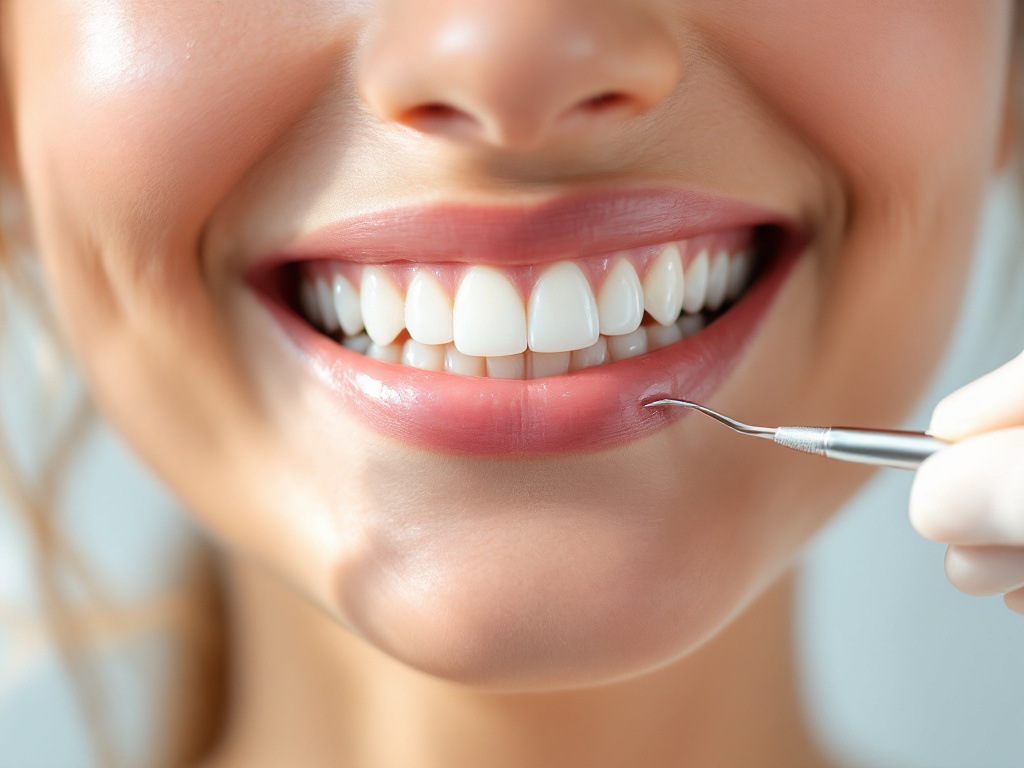
Using sanding discs, diamond burs, or laser tools, your provider reshapes enamel by up to one or two millimeters. The tool choice depends on tooth location and your smile goals. Because enamel has no nerves, you’ll feel no pain. Your dentist will continuously check symmetry and balance.
Combining with bonding
If you have superficial chips or tiny gaps, your dentist may pair contouring with dental bonding service. After reshaping, a tooth-colored resin fills imperfections, then cures under a special light. This hybrid approach delivers a seamless result with minimal invasiveness.
Candidacy and considerations
Ideal candidates
You’re a good candidate if you have healthy teeth, sufficient enamel thickness, and minor cosmetic flaws. Fairfax Family Dental Care highlights that enamel shaping also helps reduce plaque buildup by smoothing surfaces [5]. If you’ve completed orthodontics but need finishing touches, contouring can refine your smile without extra braces.
Risks and limitations
Removing too much enamel can weaken tooth structure or increase sensitivity. Healthline warns against DIY filing since irreversible damage could lead to pulp exposure or fracture [6]. Always choose a qualified cosmetic dentist.
When to avoid the procedure
If you have significant misalignment, deep discoloration, large gaps, or severe chips, contouring alone won’t suffice. In those cases, consider porcelain veneer placement, crowns, or orthodontic solutions. Your dentist may suggest a customized cosmetic dentistry plan that combines multiple treatments.
Aftercare and maintenance
Managing sensitivity
You may notice brief sensitivity to hot or cold items. Use a desensitizing toothpaste and soft toothbrush for several days. Avoid acidic drinks until sensitivity subsides.
Oral hygiene tips
Maintain a gentle daily routine:
- Brush twice with fluoride toothpaste
- Floss daily to prevent plaque buildup on newly smoothed surfaces
- Rinse with an alcohol-free mouthwash
Avoiding habits
Refrain from chewing hard objects like ice, pens, or fingernails. These can damage both reshaped enamel and any bonding resin used. Steer clear of staining foods and tobacco if you’ve had bonding.
Comparing cosmetic options
Enameloplasty vs veneers
| Feature | Tooth contouring | Veneers |
|---|---|---|
| Invasiveness | Minimally invasive | Requires enamel removal, bonding |
| Cost per tooth | $50–$435 ([CareCredit]) | $800–$2,500 |
| Time per tooth | 15–30 minutes | 1–2 hours |
| Recovery | None | Several days |
| Suitable flaws | Minor chips, uneven edges | Major discoloration, shape issues |
Contouring vs orthodontics
Orthodontics corrects alignment, bite, and spacing. Contouring refines edge shape only. For minor overlaps or bite adjustments, contouring may help, but it cannot relocate teeth. In some cases, combining with teeth alignment aesthetic correction offers optimal results.
Combining treatments
You can integrate contouring with:
- stain removal and whitening for brighter enamel
- gum contouring service to reshape gum lines
- cosmetic dental crown replacement for a uniform look
Strategic layering of treatments creates a comprehensive esthetic dental treatment that addresses shape, color, and gum balance.
Integrating with smile makeovers
Personalized treatment plans
A full cosmetic smile makeover may include enameloplasty as one component. Your dentist tailors each step—bonding, whitening, contouring—based on your facial features, personality, and lifestyle.
Digital smile preview
Consider a digital smile preview to visualize post-treatment results. This tool lets you approve shapes and proportions before any enamel is removed.
Insurance and financing
Cosmetic services may not be fully covered. Ask about insurance covered cosmetic dentistry or flexible financing through affordable cosmetic dental care plans. Transparent cost estimates help you plan wisely.
Planning your treatment
Cosmetic dental evaluation
Start with a comprehensive exam to discuss your goals and oral health. Your dentist will review X-rays, photos, and smile parameters to confirm enamel thickness and rule out issues.
Customized dentistry plan
You’ll receive a step-by-step plan, possibly combining contouring with tooth discoloration treatment or bonding. This customized cosmetic dentistry plan ensures each procedure flows seamlessly.
Scheduling your appointment
Contact your provider for a smile design consultation. Many practices offer same-day appointments for non-invasive procedures like contouring. Book early to secure your preferred date and enjoy the artistry of modern cosmetic dentistry.
By choosing tooth contouring and reshaping, you unlock a quick, cost-effective way to fine-tune your smile. With proper evaluation, skilled execution, and diligent aftercare, this non-invasive cosmetic dental procedure can restore your confidence and reveal the balanced smile you’ve always wanted.