
How Much Do Veneers Cost in North Carolina? 2024 Pricing Guide

How Much Do Veneers Cost in North Carolina? A 2026 Pricing Guide You’ve saved the smile transformations on Instagram, you’ve zoomed in on before-and-after galleries, and now you’re staring at one question that every veneer guide dances around: what will this actually cost in North Carolina? Not California, not a national average, but here, in your market, at a practice you can drive to. That number matters because veneers are an investment in confidence, career presence, and how you see yourself every morning, and you deserve a straight answer before you ever pick up the phone. So here is the straight answer, followed by the details that actually explain the price. When people ask how much do veneers cost in North Carolina, the honest range is generally between $800 and $2,500 per tooth. That is a wide range on purpose, because the material you choose, the number of teeth you cover, and the skill and technology behind the work all move the final number. This guide walks you through every one of those factors, shows you real financing math, and tells you honestly where your money goes. Porcelain vs. Composite: What You Actually Pay Per Tooth Porcelain veneers in North Carolina typically range from $1,200 to $2,500 per tooth, while composite resin veneers cost $800 to $1,500 per tooth. The gap between those two numbers is not arbitrary. It reflects material durability, stain resistance, and how closely the final result mimics the natural translucency of tooth enamel. Porcelain is the premium option, and the price reflects real work you cannot see from the chair. Each porcelain veneer is fabricated in a dental laboratory, custom shaded, and layered to replicate the depth and light-catching quality of a natural tooth. That layering is why a well-made porcelain veneer looks like enamel instead of a flat white chip. Porcelain also resists coffee, wine, and tea staining far better than resin, so the color you leave with is close to the color you keep. With proper care, porcelain veneers commonly last 10 to 15 years or longer. Composite veneers take a different path. Your dentist sculpts tooth-colored resin directly onto your teeth in a single visit, shaping and polishing it chair-side. That means no lab fee and no waiting on a temporary phase, which lowers the cost. The tradeoff is lifespan and stain resistance, since composite typically needs refinishing or replacement within 5 to 7 years and can pick up stain over time. For a young patient repairing one chipped tooth on a budget, composite can be a smart, reversible starting point. For a full smile you want to hold its color and shape for a decade, porcelain usually earns its higher price. Which one fits you depends on your goals, your timeline, and your budget, and that is a conversation worth having in person rather than guessing from a chart. Why One Dentist Quotes $1,000 and Another Quotes $2,200 If you have already called around, you have probably heard two very different prices for what sounds like the “same” porcelain veneer. That gap is rarely about profit margin. It comes down to material grade, the dental lab the practice partners with, the complexity of your case, and the technology used to plan it. A veneer is only as good as the plan behind it and the lab that builds it. A lower quote often means a lower-grade porcelain, a discount lab, or a design done by eye instead of by digital measurement. A higher quote often reflects a premium ceramic, a skilled cosmetic lab technician, and diagnostic tools that remove guesswork before a single tooth is touched. You are not paying more for the same product. You are paying for a more predictable result that looks natural and lasts. This is a big reason the answer to how much do veneers cost varies so much from one office to the next. Belmont Dental uses digital imaging and 3D scanning to plan veneer cases. That technology lets you preview your proposed smile design before any tooth preparation happens, so you see the shape and proportions in advance instead of hoping for the best. It also means the lab receives exact specifications for fit, shade, and contour, which is what separates a veneer that blends in from one that announces itself. The practice has served Belmont, NC with deep local roots since 2005, and that kind of tenure matters in cosmetic work, where experience reading a patient’s face, bite, and smile line is as important as the ceramic itself. When you compare quotes, ask what porcelain is used, whether the practice uses digital smile design, and who is fabricating the veneers. The price starts to make sense once you know what stands behind it. How Many Veneers Do You Actually Need? The single biggest driver of your total cost is simple: how many teeth are we covering? One veneer to fix a chipped front tooth is a very different investment from a full smile makeover. Most smile transformations involve 6 to 8 veneers on the upper front teeth, the group often called the “social six.” Those are the teeth that show when you smile, talk, and laugh, so treating them as a set creates an even, balanced result. At a porcelain range of $1,200 to $2,500 per tooth, a six-veneer case lands somewhere between roughly $7,200 and $15,000, and an eight-veneer case runs higher. That is why a responsible practice will not quote you a full number over the phone. Your starting tooth condition, bite, and goals change the plan. A single veneer sounds like it should be the easy, cheap option, and in raw material terms it is. But placing one veneer among your natural teeth is actually one of the most demanding cosmetic tasks a dentist faces. That lone veneer has to match the exact color, translucency, and surface texture of the teeth beside it, or it stands out. Matching a single tooth to living enamel adds lab time and artistry, which
Professional Teeth Whitening Cost: In-Office vs At-Home Options

Professional Teeth Whitening Cost: In-Office vs At-Home Options You’ve stood in the whitening aisle at the Belmont Walgreens, read the back of three different boxes, and still have no idea whether the $45 strips will actually work or whether you’re about to waste money on something that leaves your teeth sensitive and no brighter. The gap between a $30 box and a several-hundred-dollar professional treatment feels enormous, and nobody explains what you are actually paying for at each level. This guide breaks down real teeth whitening cost ranges, what each option delivers, and how to pick the one that fits your timeline, your budget, and your teeth. What Professional Teeth Whitening Actually Costs Here is the honest math before you call anyone. Nationally, in-office professional whitening runs roughly $300 to $800 per treatment. Custom take-home trays fitted by a dentist usually land between $200 and $400. Over-the-counter strips and trays from the drugstore cost about $20 to $60. Those ranges are wide for a reason, and the reason is not that dentists mark up a simple product. Each price tier buys a different combination of speed, safety, predictability, and supervision. The cheapest option is not the best value for everyone, and the most expensive option is not automatically the right call either. A parent getting ready for a wedding in ten days has a very different math problem than a college student who just wants a slightly brighter smile over the next month and has time to spare. The teeth whitening cost that makes sense depends entirely on your deadline, your sensitivity history, and the kind of staining you are dealing with. One detail most cost articles skip is that professional whitening does not have to mean full sticker price. At Belmont Dental, our in-house membership plan includes Adult Care and Perio Plus tiers, and members may have access to reduced fees on elective services like whitening, depending on the benefits in their plan. That single fact reshapes the decision for a lot of Belmont residents who assumed professional whitening was permanently out of reach. Because pricing and membership benefits can change, we give you the current whitening fee and any discount that applies before treatment starts, so there are no surprises. Why In-Office Whitening Costs More and What the Hour Actually Looks Like In-office whitening costs more because you are paying for professional-grade materials, controlled application, and a finished result in a single visit instead of two weeks of guessing. At Belmont Dental, our professional whitening system is GLO, and knowing exactly what happens during the appointment helps explain the price. We begin by documenting your starting shade, so there is a clear before-and-after record rather than a vague sense that things look brighter. Then we prepare and protect the soft tissues of your gums and lips, which is the step drugstore products cannot do for you and the step that prevents most of the burning and irritation people complain about with strips. Once you are isolated and protected, we apply the GLO whitening gel and use the light-activated mouthpiece in a series of cycles. A typical session runs four eight-minute applications, which adds up to about 32 minutes of active whitening time. After the final cycle we remove the material, rinse, and evaluate your new shade against the starting record. From setup to final evaluation, we generally schedule about an hour, covering the setup, the isolation, the whitening cycles, and the post-treatment evaluation. Patients commonly see a noticeable improvement in that single visit, often in the range of three to four shades. We do not promise a specific number, because your exact result depends on your starting shade and the type of staining you have. That honesty matters more than a marketing claim. Belmont Dental has served the community since 2005, and the approach is to match the method to the patient’s goals, starting shade, sensitivity, and how quickly they want results rather than sell the priciest option to everyone who walks in. When you pay for in-office whitening, you are paying for that judgment, the higher peroxide concentration only a dental office can safely use, and the fact that you leave with the result already done. Custom Take-Home Trays: Professional Results on a Flexible Timeline Custom take-home trays sit in the middle of the price range and are the smart choice for anyone who values savings and flexibility over speed. Instead of whitening in the chair, you take home trays molded to the exact shape of your teeth along with professional-strength gel, and you wear them at home over a set number of nights. The reason custom trays outperform drugstore kits comes down to fit. A tray made from an impression of your own teeth holds the gel evenly against every surface and seals it away from saliva, which would otherwise dilute the product and stall your progress. The American Dental Association’s guidance on tooth whitening notes that dentist-provided, custom-fitted trays give more consistent contact than one-size products, and that consistency is what produces even color instead of blotchy patches. Most tray protocols call for seven to fourteen consecutive nights of wear to reach a shade improvement similar to a single in-office visit. That two-week window is the trade-off. If your calendar is open, it works in your favor. Custom trays are also the gentler path for anyone with a history of sensitive teeth, because you control the exposure. Whitening a little each night with lower peroxide contact per session tends to cause less zinging than a concentrated in-office treatment. And once you own the trays, touch-ups down the road cost only the price of a new syringe of gel, which makes them the most economical long-term option for maintaining your results. For a busy Belmont parent who wants a brighter smile without carving out a chair appointment, custom trays often deliver the best cost-to-comfort balance. Where Drugstore Whitening Falls Short The $20 to $60 you spend on drugstore strips buys the least predictable result of
How to Prepare for a Dentist Visit When You’re Anxious

How to prepare for dentist with anxiety: calm, clear steps for a stress-free visit.
How to Stay Calm During Dental Work: Real Coping Tips
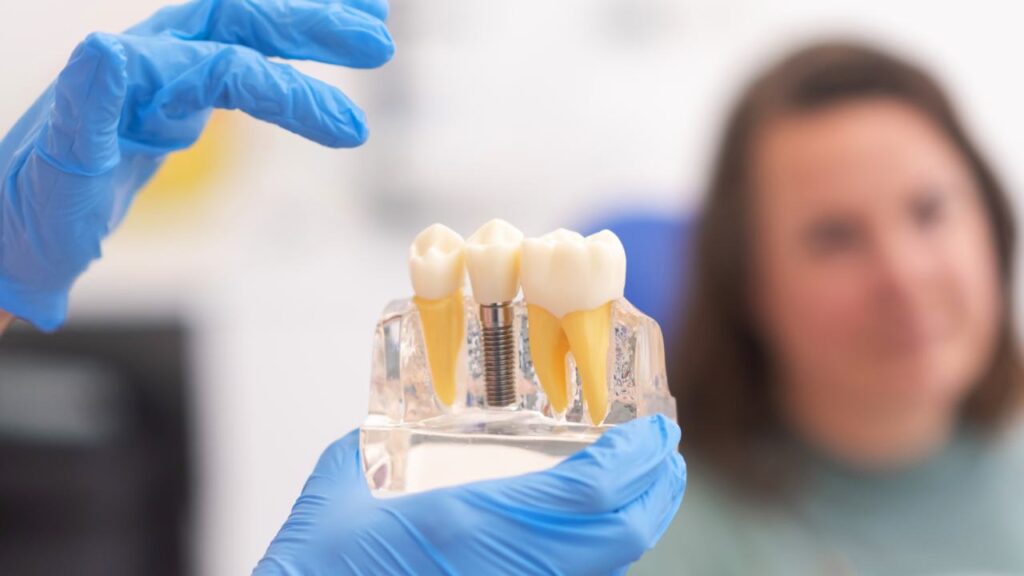
How to stay calm during dental work with proven tips for anxiety-free visits.
Dental Anxiety vs. Dental Phobia: What’s the Difference?
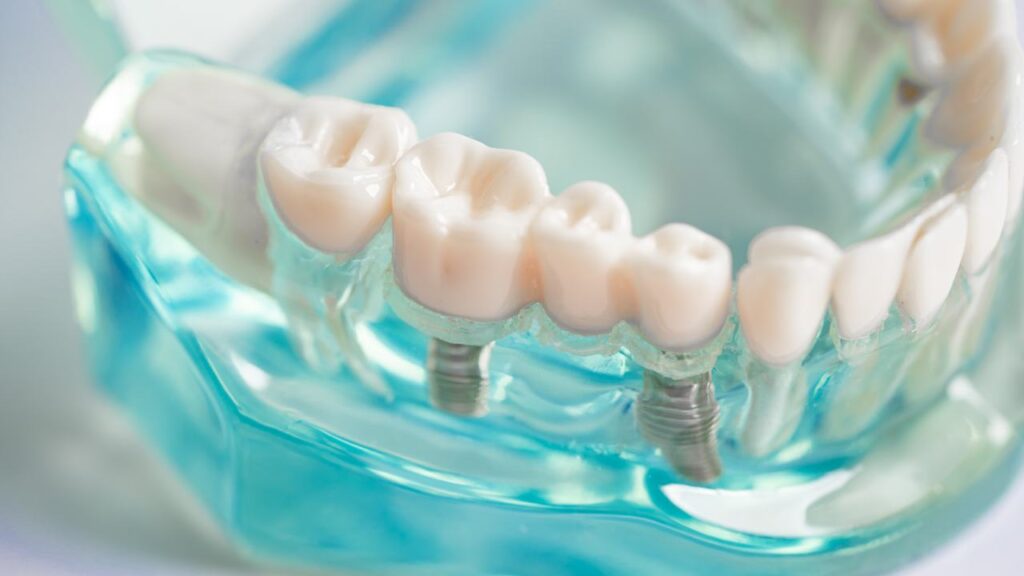
Dental anxiety vs dental phobia difference: know which you have and get the right care.
How to Tell Your Dentist You’re Anxious Without Stress

How to tell your dentist you are anxious and get calm, compassionate care in Belmont, NC.
Dental Phobia Causes and Effects: What’s Really Going On
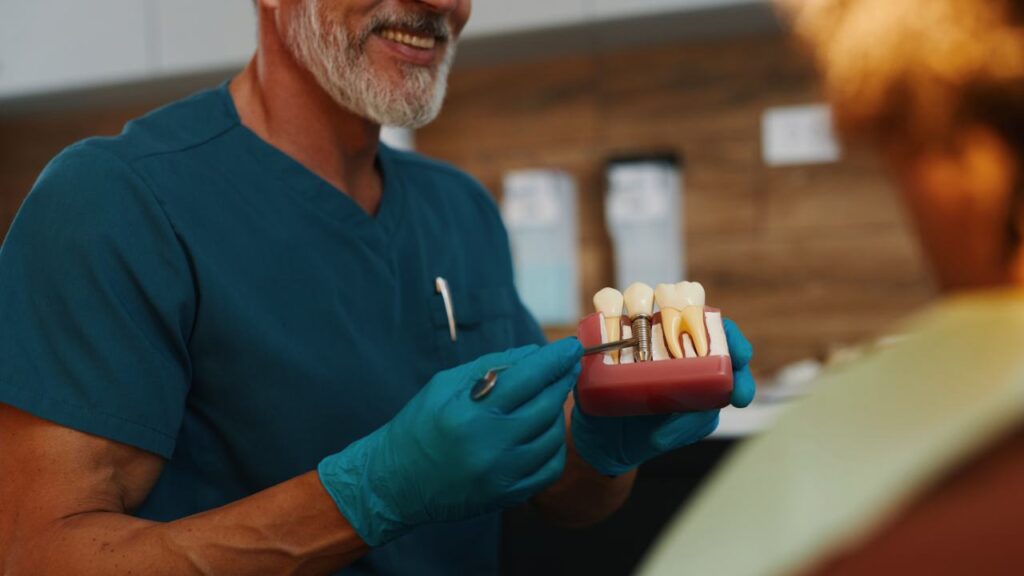
Dental phobia causes and effects explained: how fear harms your health and how to break it
How to Cope With Fear of Dental Procedures
How to cope with fear of dental procedures with proven tips for calm, confident care.
What Causes Dental Fear in Adults? Common Triggers
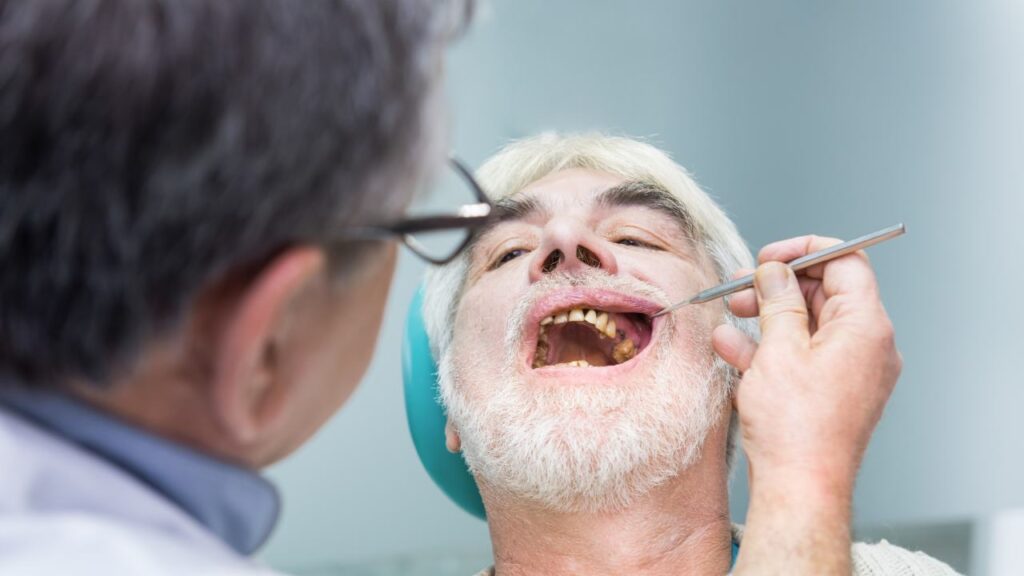
What causes dental fear in adults? Learn triggers and calming care in Belmont.
How to Overcome Dental Anxiety: A Calm-Start Guide

Dental anxiety? Learn how to overcome it with calm, trusted care in Belmont, NC.