Expertise provided by Dr. Greg Cook, Owner
How Much Do Veneers Cost in North Carolina? A 2026 Pricing Guide
You’ve saved the smile transformations on Instagram, you’ve zoomed in on before-and-after galleries, and now you’re staring at one question that every veneer guide dances around: what will this actually cost in North Carolina? Not California, not a national average, but here, in your market, at a practice like Belmont Dental you can drive to. That number matters because veneers are an investment in confidence, career presence, and how you see yourself every morning, and you deserve a straight answer before you ever pick up the phone.
So here is the straight answer, followed by the details that actually explain the price. When people ask how much do veneers cost in North Carolina, the honest range is generally between $800 and $2,500 per tooth. That is a wide range on purpose, because the material you choose, the number of teeth you cover, and the skill and technology behind the work all move the final number. This guide walks you through every one of those factors, shows you real financing math, and tells you honestly where your money goes.
Porcelain vs. Composite: What You Actually Pay Per Tooth
Porcelain veneers in North Carolina typically range from $1,200 to $2,500 per tooth, while composite resin veneers cost $800 to $1,500 per tooth. The gap between those two numbers is not arbitrary. It reflects material durability, stain resistance, and how closely the final result mimics the natural translucency of tooth enamel.
Porcelain is the premium option, and the price reflects real work you cannot see from the chair. Each porcelain veneer is fabricated in a dental laboratory, custom shaded, and layered to replicate the depth and light-catching quality of a natural tooth. That layering is why a well-made porcelain veneer looks like enamel instead of a flat white chip. Porcelain also resists coffee, wine, and tea staining far better than resin, so the color you leave with is close to the color you keep. With proper care, porcelain veneers commonly last 10 to 15 years or longer.
Composite veneers take a different path. Your dentist sculpts tooth-colored resin directly onto your teeth in a single visit, shaping and polishing it chair-side. That means no lab fee and no waiting on a temporary phase, which lowers the cost. The tradeoff is lifespan and stain resistance, since composite typically needs refinishing or replacement within 5 to 7 years and can pick up stain over time. For a young patient repairing one chipped tooth on a budget, composite can be a smart, reversible starting point. For a full smile you want to hold its color and shape for a decade, porcelain usually earns its higher price.
Which one fits you depends on your goals, your timeline, and your budget, and that is a conversation worth having in person rather than guessing from a chart.
Why One Dentist Quotes $1,000 and Another Quotes $2,200
If you have already called around, you have probably heard two very different prices for what sounds like the “same” porcelain veneer. That gap is rarely about profit margin. It comes down to material grade, the dental lab the practice partners with, the complexity of your case, and the technology used to plan it.
A veneer is only as good as the plan behind it and the lab that builds it. A lower quote often means a lower-grade porcelain, a discount lab, or a design done by eye instead of by digital measurement. A higher quote often reflects a premium ceramic, a skilled cosmetic lab technician, and diagnostic tools that remove guesswork before a single tooth is touched. You are not paying more for the same product. You are paying for a more predictable result that looks natural and lasts. This is a big reason the answer to how much do veneers cost varies so much from one office to the next.
Belmont Dental uses digital imaging and 3D scanning to plan veneer cases. That technology lets you preview your proposed smile design before any tooth preparation happens, so you see the shape and proportions in advance instead of hoping for the best. It also means the lab receives exact specifications for fit, shade, and contour, which is what separates a veneer that blends in from one that announces itself. The Belmont Dental practice has served Belmont, NC with deep local roots since 2005, and that kind of tenure matters in cosmetic work, where experience reading a patient’s face, bite, and smile line is as important as the ceramic itself.
When you compare quotes, ask what porcelain is used, whether the practice uses digital smile design, and who is fabricating the veneers. The price starts to make sense once you know what stands behind it.
How Many Veneers Do You Actually Need?
The single biggest driver of your total cost is simple: how many teeth are we covering? One veneer to fix a chipped front tooth is a very different investment from a full smile makeover.
Most smile transformations involve 6 to 8 veneers on the upper front teeth, the group often called the “social six.” Those are the teeth that show when you smile, talk, and laugh, so treating them as a set creates an even, balanced result. At a porcelain range of $1,200 to $2,500 per tooth, a six-veneer case lands somewhere between roughly $7,200 and $15,000, and an eight-veneer case runs higher. That is why a responsible practice will not quote you a full number over the phone. Your starting tooth condition, bite, and goals change the plan.
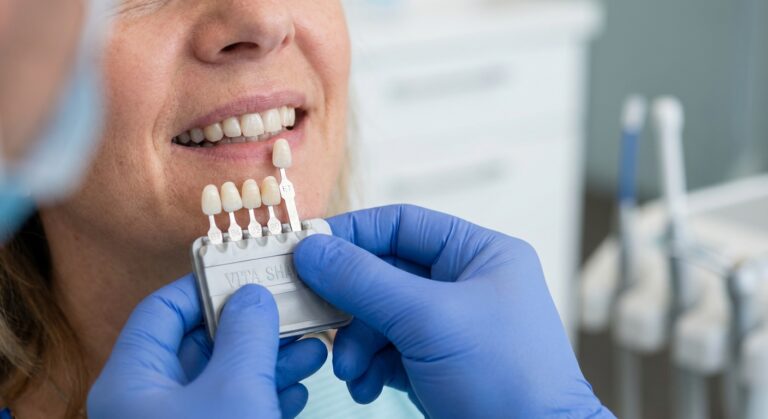
A single veneer sounds like it should be the easy, cheap option, and in raw material terms it is. But placing one veneer among your natural teeth is actually one of the most demanding cosmetic tasks a dentist faces. That lone veneer has to match the exact color, translucency, and surface texture of the teeth beside it, or it stands out. Matching a single tooth to living enamel adds lab time and artistry, which is why a solo veneer is not simply “one-eighth” of a full case.
This is exactly why the consultation exists. Rather than guessing, your dentist looks at your smile, listens to what bothers you, and maps out whether you need one veneer, the social six, or a combination of veneers and other cosmetic work such as GLO professional whitening or dental bonding to reach your goal at the right cost.
What You Are Paying For at Each Appointment
Veneer pricing feels less mysterious once you see what happens at each visit, because every appointment involves specific materials, lab fees, and chair time that add up to your total.
It starts with the consultation and diagnostic visit. This is where digital photos, a 3D scan, and often a wax-up or digital mock-up come in. You see the proposed design before anyone touches a tooth. At many practices this visit is complimentary or applied toward treatment, and it is the appointment that turns a vague hope into a concrete plan and price.
Next is the preparation appointment. Your dentist gently removes a very thin layer of enamel from the front of each tooth to make room for the veneer, then takes precise impressions or digital scans for the lab. This visit uses local anesthesia for comfort and bonding materials, and you leave wearing temporary veneers that protect the prepared teeth while your permanent ones are being made. The temporary phase usually lasts one to two weeks, and it also lets you test-drive the look and speech feel of your new smile.
The final visit is the bonding appointment. Your dentist checks the fit, shade, and contour of the finished veneers, then permanently cements them using precision adhesives and a curing light that locks the bond in place for years. A final polish and bite check complete the process. Each of those steps carries real cost: lab fabrication, professional-grade adhesives, anesthesia, and the dentist’s time and skill. When a practice explains the price this way, you can see that you are paying for a process, not just a product.
Does Dental Insurance Cover Veneers in North Carolina?
For most people the honest answer is no, standard dental insurance does not cover veneers, because insurers classify them as elective cosmetic treatment. Coverage is built around what is considered medically necessary, and improving the appearance of a healthy tooth does not meet that bar.
The National Association of Dental Plans notes that cosmetic procedures, veneers included, are generally excluded from standard dental coverage because they are not deemed medically necessary. There is one meaningful exception worth checking. If a veneer is restoring function to a tooth damaged by trauma or severe decay, rather than purely improving appearance, some plans may cover a portion of the cost. The determining factor is usually whether the tooth needed structural repair, not just cosmetic enhancement.
It is worth confirming this with your own plan rather than assuming. Belmont Dental accepts a number of plans, including Cigna, Blue Cross Blue Shield, Delta Dental, GEHA Connection Dental Network, MetLife, and Guardian, and the team can help you understand what your specific benefits do and do not include before you commit to anything. Even when the veneers themselves are not covered, the exams, cleanings, and any restorative work tied to your treatment sometimes are.
The practical takeaway: plan your veneer budget as an out-of-pocket investment, then treat any insurance contribution as a bonus rather than the foundation. That mindset keeps your expectations realistic and prevents an unwelcome surprise at checkout, and it leads naturally into the part most guides skip, which is how to actually pay for it.
Financing Veneers: Turning a Big Number Into a Monthly One
A $10,000 smile makeover sounds daunting as a lump sum. Broken into monthly payments, it becomes a manageable line in your budget, and that is exactly what dental financing is designed to do.
Many North Carolina practices offer financing through third-party lenders such as CareCredit and Lending Club that split your total into monthly payments as low as $100 to $200, depending on the plan term and your creditworthiness. Here is the math made real: a $10,000 case divided over 36 months comes to roughly $278 per month before interest. Many of these lenders offer promotional no-interest windows, often 6, 12, or 18 months, where you pay zero interest if you clear the balance inside that period. If you carry the balance past the promotional window, standard interest applies, so the smart move is to match your term to what you can realistically pay off.
The approval process is usually quick and can often be completed the same day, either online or at the front desk. You apply, receive a decision within minutes in most cases, and choose a term that fits your budget. Paying off early typically saves you interest and rarely carries a penalty, though you should always confirm the terms of your specific plan.
The point is not to talk you into debt. It is to show you that the sticker price and the actual monthly commitment are two very different numbers. So when you ask how much do veneers cost, remember there are really two answers: the total, and the far smaller amount you pay each month. When a life-changing smile can cost less per month than many people spend on streaming subscriptions and dining out combined, the decision shifts from “can I afford this” to “which plan fits my life.”
The Membership Plan That Protects Your Veneer Investment
If you do not have dental insurance, or your plan excludes cosmetic work entirely, Belmont Dental’s in-house membership plan gives you another way to lower the real cost of veneers and keep them beautiful for years. The plan comes in tiers, including Adult Care and Perio Plus options.
The Belmont Dental plan is built to make care affordable without insurance. Depending on the tier you choose, members may access reduced fees on elective services and the diagnostic, preventive, and restorative work that surrounds veneer treatment, and routine preventive care such as cleanings and exams is bundled into the plan. That combination does two things for a veneer patient. First, it trims the cost of the diagnostic and restorative work that surrounds your veneer treatment. Second, and just as important, it keeps you in the chair for the routine care that protects your investment. Because membership benefits can change, the team will confirm your current tier discount and any applicable savings before treatment.
Here is why that second part matters more than it sounds. Veneers do not fail because the porcelain wears out. They fail when the gums recede, decay forms at the edge of the veneer, or bite problems go unaddressed. Regular cleanings and exams catch those issues early, while they are small and cheap to fix, instead of years later when the only option is replacement. A membership plan that makes prevention effortless and affordable is quietly one of the best ways to make a decade-plus of veneer life actually happen.
For families and individuals without insurance, the plan also removes the guesswork. You know your tier discount, you know your preventive care is handled, and you can budget the rest with confidence. It is one more example of pricing being transparent instead of something you have to pry loose.
What Happens If a Veneer Chips or Comes Loose Years Later?
No cosmetic guide is complete without an honest word on longevity and repair, because things do occasionally happen, and you should know the cost picture before it does.
Porcelain veneers typically last 10 to 15 years with proper care, and many go longer. Composite veneers generally need refinishing or replacement within 5 to 7 years. Care means the boring, effective basics: daily brushing and flossing, regular professional cleanings, wearing a night guard if you grind your teeth, and not using your front teeth as tools to open packaging or bite fingernails. Results vary from person to person based on habits, bite forces, and gum health, so no one can promise you an exact lifespan.
When something does go wrong, the fix depends on what happened. A small chip on a composite veneer can often be smoothed or patched chair-side at a modest cost, since the resin can be added to and reshaped in one visit. A chipped porcelain veneer is trickier. Minor chips can sometimes be polished or repaired with bonding, but a significant fracture usually means replacing that single veneer, which brings back a lab fee and the cost of one new unit rather than the whole case.
A veneer that comes loose, or debonds, is usually the easiest scenario. If the veneer itself is intact and the tooth underneath is healthy, your dentist can often clean and re-cement it for a fraction of a full replacement. The critical move is to keep the loose veneer, avoid chewing on that side, and call your dentist promptly so the exposed tooth stays protected. Knowing your dentist and having your case history on file, as you would with a practice you have stayed with for years, makes these moments far simpler and less expensive to solve.
Why Belmont Patients Choose One Roof for Their Whole Smile
Belmont Dental has served the Belmont, NC community since 2005, and that longevity is not just a nice detail. It means the dentist who plans and places your veneers is the same team that handles your ongoing preventive care, so nothing gets lost in a referral shuffle. You get your consultation, your preparation, and your final veneers all under one roof, with people who know your name and your history.
That continuity pays off in cosmetic work more than almost anywhere else. Comprehensive in-house services, digital smile design tools, and 3D scanning let the Belmont Dental team plan precisely and adjust over time, and the practice’s GLO professional whitening means your natural teeth can be brightened to complement your new veneers so the whole smile reads as one. A single in-office GLO session runs four 8-minute cycles, about 32 minutes of active whitening in a roughly one-hour appointment, and patients commonly leave 3 to 4 shades brighter, though the exact change depends on your starting shade and type of staining. The technology is current, but it sits alongside something you cannot buy off a catalog: a compassionate team that treats the person behind the smile, not just the teeth.
You do not have to take that on faith, because patients say it plainly. “Belmont Dental gave me my smile back. Dr. Cook and his team are amazing, kind, professional, and genuinely invested in their patients,” writes Emi. Another patient, Laura, shares, “The team’s care and attention to detail made me feel valued and comfortable. My smile has never looked better.” Those are the voices of people who walked in with the same questions you have and left with a smile they are proud of. Belmont Dental also keeps a before-and-after gallery so you can see real results before you decide.
Frequently Asked Questions
How much do porcelain veneers cost per tooth in North Carolina?
Porcelain veneers in North Carolina typically range from $1,200 to $2,500 per tooth. The price depends on the dentist’s cosmetic expertise, the grade of porcelain and the dental lab used, and how complex your specific case is, including color matching and bite considerations.
Does dental insurance cover the cost of veneers?
Most dental insurance excludes veneers as cosmetic and does not cover them. Some plans may cover a portion if the veneer restores function after trauma or significant decay rather than purely improving appearance. Confirm your specific benefits with your plan and your dental office before treatment.
Can I finance veneers with monthly payments?
Yes. Practices like Belmont Dental offer third-party financing through lenders such as CareCredit and Lending Club, with monthly payments often in the $100 to $200 range depending on your plan term and credit. Many plans include promotional no-interest windows if you pay the balance within that period.
How long do porcelain veneers last before needing replacement?
Porcelain veneers typically last 10 to 15 years with proper care, and often longer. Composite veneers usually need refinishing or replacement within 5 to 7 years. Longevity depends on your oral hygiene, whether you grind your teeth, and how consistently you keep up with professional cleanings. Results vary.
What is the difference in cost between composite and porcelain veneers?
Composite veneers cost $800 to $1,500 per tooth and are sculpted chair-side in a single visit with no lab fee. Porcelain veneers cost $1,200 to $2,500 per tooth, are custom-made in a dental lab, and offer superior durability, stain resistance, and a more natural, enamel-like appearance.
How many veneers do I need for a full smile makeover?
Most smile makeovers use 6 to 8 veneers on the upper front teeth, the “social six” that show when you smile and speak. The exact number depends on your smile goals, your bite, and the condition of your starting teeth, which is why a consultation gives you a far more accurate answer than a phone quote.
See Your Real Number, Not a Guess
You now know the ranges, the drivers, and the financing math, but the only estimate that truly matters is the one built around your smile. If you have been wondering how much do veneers cost for your specific case, schedule a complimentary veneer consultation at Belmont Dental in Belmont, NC to see your personalized cost estimate, preview your new smile with digital imaging before any tooth is touched, and explore flexible financing options that fit your budget. Call Belmont Dental today, and turn the question you have been researching into a plan you can act on.