
How Long Do Veneers Last?
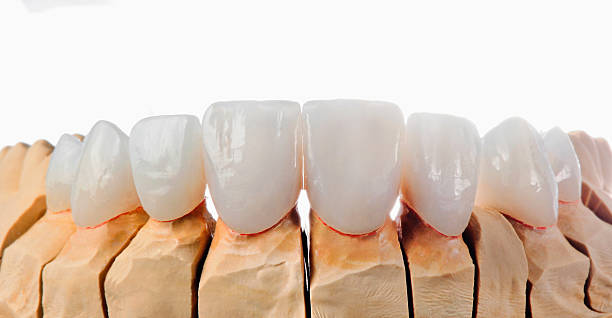
Veneers are a great way to improve your smile and boost your confidence. But how long do veneers last? If you’re considering having them, you’ll want to know that you’ll be able to enjoy the results for a reasonable time. The good news is that, when properly cared for, veneers can last for many years. They are a significant investment in your smile, and with the proper maintenance, your veneers will be a part of your life for a long time. In this article, we’ll look at the factors affecting how long veneers last and how you can ensure they look their best for years. So, if you’re considering veneers, read on to find out how long you can expect them to last. What Are Veneers? Veneers are thin shells made of porcelain or composite resin attached to your teeth’ front surface. They are used to improve the appearance of your teeth and enhance your smile. Veneers can be used to correct issues such as chips, cracks, discoloration, and misalignment, and they can also be used to close gaps between teeth. Because veneers are made from a durable material, they can also protect your teeth from further damage. Getting veneers is a relatively simple process. Your dentist will first take an impression of your teeth and use it to create customized veneers. Then, your dentist will prepare your teeth by removing a small amount of enamel. This is done to ensure the veneers fit properly and look natural. Finally, your dentist will attach the veneers to your teeth with a unique adhesive. How Long Do Veneers Last? The lifespan of veneers varies from person to person, but on average, you can expect them to last for 10 to 20 years. However, this number can be higher or lower depending on factors such as the quality of the veneers, how well they are cared for, and the type of veneers you choose. Factors Affecting How Long Veneers Last The type of veneers you choose will impact how long they last. Porcelain veneers are the most popular and durable option, and they can last up to 20 years with proper care. Composite veneers are less durable than porcelain but less expensive and can last up to 10 years with good care. The quality of the veneers is another factor that can affect their lifespan. If you want your veneers to last as long as possible, it’s best to go for high-quality veneers from a reputable dentist. Cheap veneers are not as durable and may not last as long. Your lifestyle can also have an impact on the longevity of your veneers. If you smoke, drink alcohol, or engage in any other habits that can stain your teeth, your veneers may be more prone to damage. It’s also best to avoid activities that can cause harm to your veneers, such as biting your nails or chewing on hard objects. Finally, how well you care for your veneers will affect how long they last. Proper oral hygiene, brushing and flossing regularly, is essential to keep your veneers looking their best for as long as possible. Caring for Veneers to Extend Their Lifespan It’s essential to take good care of your veneers to extend their lifespan. Here are some tips to help you do this: By following these tips, you can ensure your veneers stay in good condition for as long as possible. Pros and Cons of Veneers Veneers can be a great way to improve your smile, but knowing the pros and cons is important before deciding. The main pros of veneers are that they are durable, can correct many aesthetic issues, and can be customized to match the shape and color of your natural teeth. The main cons of veneers are that they are not reversible, can be expensive, and require enamel to be removed from your teeth. Alternatives to Veneers If you’re not sure if veneers are right for you, there are a few alternatives that you can consider. Dental Bonding Dental bonding is a procedure in which composite resin is applied to your teeth to correct minor cosmetic issues. This is a less invasive and less expensive option than veneers, but it is less durable and may need replacing more often. Teeth Whitening Teeth whitening is another option if you’re looking for ways to brighten your smile. This is relatively inexpensive and can be done at home or in your dentist’s office. Invisalign Invisalign is an excellent option if you’re looking to correct alignment issues. This clear aligner system gradually moves your teeth into the desired position. Cost Of Veneers The cost of veneers can vary depending on the type of veneers you choose and the complexity of your case. On average, porcelain veneers cost between $1,000 and $2,000 per tooth, while composite veneers cost between $250 and $1,500 per tooth. Questions to Ask Your Dentist Before Getting Veneers Before getting veneers, you must thoroughly consult your dentist to ensure this is the right decision for you. Here are some questions you should ask your dentist: Asking these questions can help you make an informed decision about whether or not veneers are right for you. Conclusion Veneers can be a great way to improve your smile and boost your confidence. When properly cared for, veneers can last for many years. However, their lifespan depends on several factors, such as the type of veneers you choose, the quality of the veneers, how well you take care of them, and your lifestyle. It’s essential to ask your dentist questions before getting veneers and to follow their instructions for taking care of them to ensure that you get the most out of your investment. With the proper care, you can enjoy your beautiful smile for years. Visit Your Dentist At Belmont Dental Associates Now! When you visit us at Belmont Dental Associates, you can expect to receive the best dental care available. We will take the time to listen to your concerns
What You Need To Know About Periodontal Scaling and Root Planing | Belmont Dental Associates

Periodontal scaling and root planing are essential procedures used in the treatment of gum disease and the health of your gums. This article will give you an overview of what this treatment involves, why it is essential, and what you can expect from the experience. Periodontal scaling and root planing are typically recommended when gum disease has progressed beyond the early stages and can help to eliminate bacteria from the surface of the teeth and below the gum line. These procedures help restore your gums to a healthier state and reduce the risk of further gum disease progression by addressing the infection at its source. Additionally, this treatment can help reduce the risk of future dental problems, including tooth decay and loss. To understand more about this procedure, read on to learn about the steps, potential side effects, and the importance of regular follow-up care. What Is Periodontal Scaling and Root Planing? Periodontal scaling and root planing is a treatment that removes plaque and tartar from the teeth and below the gum line. This treatment is typically performed by a periodontist, who will use specialized tools to thoroughly clean the teeth and gums, removing harmful bacteria and substances that can lead to the progression of gum disease. Periodontal scaling and root planing are often abbreviated to simply scaling and root planing. To get this level of treatment done, gum disease must be present, and the patient must be experiencing signs and symptoms, such as bleeding, that indicate the disease has progressed beyond the early stages. The presence of gum disease is indicated by the presence of plaque – a sticky, colorless film of bacteria that can lead to the progression of gum disease. Scaling and root planing is a standard procedure that can be used to treat gum disease and the presence of plaque. Depending on the patient’s situation, it can be done in different ways. Why Are Periodontal Scaling and Root Planing Important? In the early stages of gum disease, periodontal scaling and root planing will help to remove plaque and tartar, reducing the risk of tooth decay and the progression of gum disease. However, scaling and root planing can help eliminate bacteria from the teeth and below the gum line when gum disease has progressed beyond the early stages. Scaling and root planing can help restore your gums to a healthier state and reduce the risk of further gum disease progression by addressing the infection at its source. What Are The Steps Involved in Periodontal Scaling and Root Planing? The specific steps involved in scaling and root planing will vary depending on the individual patient and their circumstances. Typically, scaling and root planing will involve the following steps: Examination After you have been placed under local anesthesia, the first step is to examine your teeth and gums. Your periodontist will be able to assess the state of your gums, the position of your teeth, and any other factors that may be relevant to your treatment. Scaling Scaling is the first step in removing plaque and tartar from the teeth. After scaling, the periodontist will place a local anesthetic in the gums to ensure the treatment is as comfortable as possible. Root planing After scaling, the periodontist will use rotating and oscillating brushes to remove plaque and tartar below the gum line. Sutures Your periodontist will then use sutures to close your gums, helping to minimize the appearance of any scarring. Aftercare Post-treatment, your periodontist will recommend a course of aftercare to help minimize the risk of the infection returning. What Are The Benefits of Periodontal Scaling and Root Planing? Periodontal scaling and root planing is an essential procedure that can help prevent tooth decay and loss, as well as the progression of gum disease. When performed correctly, scaling and root planing can help prevent these issues and minimize the risk of bacterial infection. Periodontal scaling and root planing can help maintain healthy teeth, preventing infections and tooth loss. This treatment can also reduce the risk of future dental problems, including tooth decay and tooth loss. How Frequently Should Periodontal Scaling and Root Planing Be Done? Depending on the individual patient, periodontal scaling and root planing may be recommended every 3 to 6 months. At each appointment, your periodontist will thoroughly clean your teeth and gums, removing plaque and bacteria and helping to prevent the progression of gum disease. Additionally, these regular appointments will allow your periodontist to monitor your gums, assess their health, and help identify any potential signs of infection. With regular scaling and root planing, you can help reduce the risk of bacterial infection and the progression of gum disease. Regular dentist appointments can also help prevent dental problems and maintain a healthy oral environment. What Are the Consequences of Skipping Periodontal Scaling and Root Planing? If scaling and root planing are not performed, the risk of bacterial infection is significantly increased. Additionally, gum disease progression and tooth loss risk are increased without regular scaling and root planing. Without scaling and root planing, plaque and bacteria can build up on the teeth and below the gum line. This bacterial build-up can result in gum disease, leading to tooth loss and the need for dental implants. What Are The Alternatives to Periodontal Scaling and Root Planing? Periodontal scaling and root planing is the treatment most commonly recommended for the removal of plaque and tartar from the teeth and below the gum line and the removal of bacterial infection from the gums. However, there are alternatives to scaling and root planing that may be more appropriate for certain patients. Periodontal Scaling and Root Planing vs. Traditional Extractions Periodontal scaling and root planing are often performed in combination with traditional extractions. Depending on the patient, periodic scaling and root planing may not be enough to remove plaque and bacterial buildup below the gum line. In these cases, traditional extractions may be more appropriate to remove plaque and tartar from the teeth, helping to prevent tooth decay and gum
A Comprehensive Look at the Benefits of Composite Fillings
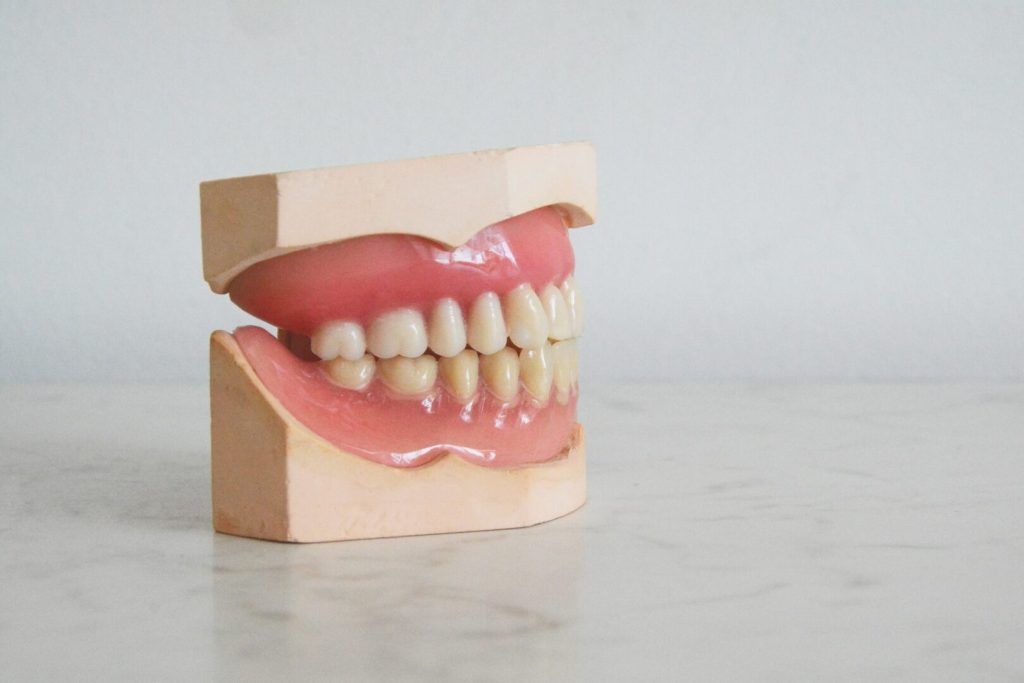
Composite fillings are becoming increasingly popular when choosing a material for dental fillings. This is because composite fillings offer several benefits over traditional amalgam fillings. Composite fillings can be matched to the color of your teeth, making them less noticeable, and they also bond directly to the tooth enamel, creating a stronger seal. Additionally, composite fillings do not contain mercury, a common ingredient in traditional amalgam fillings. In this article, we will take a comprehensive look at the benefits of composite fillings and explain why they are becoming a popular choice for many people. How composite fillings work Composite fillings are made of a plastic resin mixed with a powdered glass filler. This mixture is then shaped and hardened by a light-cured special glue. The process of hardening the resin is known as polymerization. When the composite resin is hardened, it forms a relatively thin layer on top of the tooth enamel. This layer is then shaped and polished to make it smooth and flat. The layer of composite resin is usually about half as thick as the enamel on the surface of your tooth. The composite resin used to create fillings is similar to the resin dentists use to create fillings for young children. Composite resin is softer and more flexible than tooth enamel, and it does not bond to the tooth enamel as well as the enamel bonds to each other. Advantages of composite fillings Composite fillings come in various colors, allowing them to blend in better with your natural teeth. This can help improve your teeth’ aesthetic appearance and make the fillings less noticeable. These are also less sensitive than other dental fillings, making them a good choice for people with sensitive teeth. Composite fillings can also last longer than traditional dental fillings. This is because they are not applied to the tooth’s surface but are used to fill the space between the tooth and the underlying pulp. This makes them more resistant to wear and tear. Composite fillings also contain fluoride, which can prevent the tooth from decaying again in the future. This can be helpful for people who have recurrent dental issues. Can be matched to the color of your teeth Coloring composite dental fillings can be a valuable way to improve the appearance of your teeth and make the filling less noticeable. If you have a filling that is noticeably different from your natural tooth color, you can use composite to match it to your tooth’s natural color. Not only does this make the filling less noticeable, but it can also help to improve your self-esteem. If you feel embarrassed by your teeth because of the appearance of the filling, coloring the filling can help you to feel more confident. This can be particularly helpful if you plan to smile a lot in photos or at an event. Additionally, matching your filling to the color of your teeth can prevent stains from forming on the filling over time. Bond directly to the tooth enamel Traditional dental fillings are applied to the tooth’s surface, while composite fillings are placed in the space between the tooth and the pulp. This makes them especially useful for repairing large cavities that extend into the tooth’s center. While dental crowns are often used to repair these types of cavities, composite fillings can also be used in some instances. The composite filling makes direct contact with the tooth’s enamel, allowing it to bond to the tooth. This creates a stronger seal that can prevent the tooth from decaying again. While this advantage helps repair large cavities, it also makes composite fillings more suitable for treating tiny cavities. Do not contain mercury While traditional dental fillings sometimes contain mercury, composite fillings do not. This is one of the most significant benefits of composite fillings over amalgam fillings. Mercury is toxic and can be harmful to the body when ingested. While it is rare for people to consume mercury-containing dental fillings, it is a potential risk. If you are concerned about the possible health risks of amalgam fillings, then composite fillings may be a good choice for you. There are a few instances in which an amalgam filling may be a better choice than a composite filling. This may be the case if the tooth has already decayed to the point that it has weakened. In this scenario, the tooth may be at a high risk of breaking and may not be suitable for a composite filling. More aesthetically pleasing If you are concerned about the appearance of your teeth, composite fillings may be a good choice for you. These fillings can be colored to match your natural tooth color, making them less noticeable on your teeth. This can help to improve your self-esteem and make you feel more confident. While this is a benefit of composite fillings for anyone, it may benefit people with visible dental issues more. Composite fillings can be a suitable option if you have a dental condition causing your teeth to look unappealing, such as tooth decay, staining, or a broken tooth. Minimizing damage to the tooth Traditional dental fillings can weaken a tooth over time, potentially leading to tooth fracture. This is because the tooth becomes weaker as the filling erodes, causing it to become thinner. Composite fillings can be more beneficial because they do not cause as much damage to the tooth. These fillings are placed between the tooth’s spaces and the underlying pulp. The tooth does not weaken as quickly because the composite filling does not come into direct contact with it. Cost comparison between composite and amalgam fillings Although composite fillings are more expensive than traditional amalgam fillings up-front, they are usually less expensive in the long run. This is because composite fillings can be replaced infrequently as amalgam fillings, saving you money in the long run. To determine the cost of composite fillings, dentists will take X-rays and impressions of your teeth. Then, they will clean your teeth and make a
Why Are My Teeth Sensitive to Sugar?

What’s Sugar Sensitivity? Factors Causing Tooth Sensitivity Brushing Your Teeth Too Hard Biting Something Too Hard Root Causing Decay Or Cavities The Dangers of Sugar on Your Teeth Why Are My Teeth Sensitive? Tips to Prevent Tooth Sensitivity Use a soft toothbrush. Visit your dentist. Avoid strong mouthwash. Avoid smoking Avoid excessive use of ice. Treatment for Sensitive Teeth Visit Your Dentist At Belmont Dental Associates So You Can Enjoy Your Treats Tooth sensitivity is a common problem among individuals. It is also known as dentally-related itching, prickling, or pain. This happens due to exposure of sensitive teeth to acidic food, hot or cold drinks, sweets, or even brushing with too much force. Teeth sensitive to heat or cold often result from gum recession, exposing more teeth and nerves. But other factors can contribute to this condition, such as grinding your teeth (known as bruxism), biting something too hard, and sensitive tooth roots from previous decay or cavities. Teeth sensitivity occurs when a person experiences pain from relatively harmless stimuli, such as temperature changes, minty freshness from chewing gum, and even brushing one’s tongue against the teeth. The good news is that there are various measures you can take to reduce tooth sensitivity. Keep reading for more information on this topic! What’s Sugar Sensitivity? Sugar sensitivity is when the teeth are susceptible to hot or cold temperatures due to a combination of factors, such as an increased rate of tooth erosion and a decrease in tooth enamel hardness. Cavities and tooth decay weaken the enamel, which is the hardest part of your tooth. Once the enamel is worn away, the dentin layer is revealed, which is softer and more susceptible to sensitivity. Teeth can be sensitive to hot and cold foods and beverages, tooth brushing, and even the force of the tongue against the teeth. When the teeth are exposed to too much sugar, bacteria can grow and cause decay. This can increase the amount of acidity in the mouth, leading to greater tooth sensitivity. Factors Causing Tooth Sensitivity Brushing Your Teeth Too Hard You can wear away the tooth enamel when you brush your teeth too hard, which exposes the softer tooth underneath and increases the chances of sensitivity. The enamel is the hardest part of your tooth and protects it from sensitivity. One way to avoid brushing your teeth too hard is to use a soft-bristled toothbrush. Also, ensure you brush your teeth for the recommended 2 minutes. If you want to be extra gentle, try using a fluoride mouthwash. Biting Something Too Hard If you are prone to biting something too hard, it can cause cracks in your teeth and increase the chances of sensitivity. Also, clenching and grinding are habits that can cause severe damage t your teeth and gums, leading to tooth sensitivity. When you bite on something too hard and have an exposed root where there was once a cavity, that root can become sensitive. This can be avoided if you drink enough water. When your mouth is dry, you are more likely to clench and bite too hard. Root Causing Decay Or Cavities If you have excessive tooth sensitivity, there is a chance that the teeth are already damaged. You must remove the enamel layer and have it filled by the dentist to protect your teeth from sensitivity. If the teeth are decayed, your dentist will remove the decayed parts and put a filling in to seal the exposed area. If the exposure is too significant, the dentist will suggest having a dental crown to protect the tooth. The Dangers of Sugar on Your Teeth Sugar is one of the leading causes of cavities and tooth decay. The bacteria in your mouth feed on sugar, creating acid as a byproduct. This acid is responsible for destroying your teeth and causing tooth sensitivity. Controlling your sugar intake can help to prevent tooth decay and tooth sensitivity. By reducing the amount of sugar you consume, you can reduce the amount of acid in your mouth. Why Are My Teeth Sensitive? Teeth may become sensitive for several reasons. You may notice that your teeth become more sensitive if you’re experiencing a toothache or if your gums have become inflamed due to an infection. Teeth sensitivity can also occur during or after a visit to the dentist. When your teeth are drilled or filled, nearby nerves are often disturbed, which can also result in tooth sensitivity. Tips to Prevent Tooth Sensitivity Use a soft toothbrush. Make sure you brush your teeth at least twice daily with a soft toothbrush. This will help maintain your enamel and reduce tooth sensitivity. Visit your dentist. If your teeth become sensitive, try these home treatments first listed below. However, if your symptoms persist, you can visit your dentist ASAP! Avoid strong mouthwash. If your teeth and gums are already sensitive, don’t use a strong mouthwash. This can make your teeth and gums hurt even more. Avoid smoking Smoking can make your teeth more sensitive to heat and cold. It can also increase your risk of gum disease. Avoid excessive use of ice. Ice can also make your teeth sensitive as it can cause your gum line to recede. This can expose your roots and make your teeth more sensitive to cold and hot liquids. Treatment for Sensitive Teeth To treat sensitive teeth, you can try over-the-counter sensitive toothpaste. Sensitivity toothpaste is specially formulated to protect teeth against sensitivity. If you have sensitive teeth, visiting your dentist at Belmont Dental Associates is best. We can help you determine what is causing your sensitivity and recommend the best treatment. If we find dental decay, we may recommend a filling or putting a protective layer over the decayed part of your tooth. If we find dental sensitivity from root exposure, we may recommend a root canal treatment. With these tips, you can prevent sensitive teeth and enjoy the sweet taste of life again! Visit Your Dentist At Belmont Dental Associates So You Can
What To Look For And How to Avoid The Dangers of Exposed Teeth Roots

Exposed roots are not a good thing when it comes to your teeth. They are usually a sign of poor oral health, and even if they seem like they won’t be causing much trouble, the truth is that they can lead to more severe problems down the road. Unevenly-shaped crowns or gingival recessions generally cause exposed roots. Since it is not very common and doesn’t happen to everyone, many people don’t know what the risks of having exposed teeth roots are or how you can prevent it from happening again. Let us take a look at some of the common causes and how you can avoid them. Teeth Roots Exposed: What’s Going On? If your gums become inflamed and begin to recede from your teeth, it can expose the roots of your teeth and cause some painful sensations when you brush them, making it harder for you to clean around it. Once the bacteria get inside the roots, they can travel through the bloodstream and cause damage to other parts of the body, including your heart and kidneys. If an exposed root is left untreated, this may lead to bone loss causing your tooth to fall off as the damage progress. Recognizing When A Root Is Exposed The most obvious sign that a tooth is exposed is recognizing that your tooth is longer than usual. This is due to the gums pulling away from your teeth and receding more with the plaque and bacteria present inside the mouth. When you have exposed tooth root, the thin layer of the gum tissue that protects your teeth from bacteria causing infection tears away. A swollen and inflamed gum is also a sign of an unhealthy mouth which can progress into your gums receding. Extreme sensitivity around the area of the tooth with receding gums may also be present. This can be recognized when eating or drinking hot and cold food. Typical Symptoms Of An Exposed Tooth Root A deep pocket that’s bigger than 1/8th of an inch Swelling and redness around the tooth When chewing or pressure is applied to the tooth, tooth may feel shaky Soreness or a stinging sensation (typically, this is the beginning of a potential infection) Be On The Look Out For These Causes (and How to Avoid Them)! An unevenly shaped crown When your teeth are whitened, or you are getting a new crown because the old one is damaged or broken, your dentist may want to take a little more off than usual. This may cause the crown to become uneven. You can avoid this problem by making sure that you speak up if you feel your dentist is taking too much off or by going to a dentist who is experienced with dental crowns. Gingival recession Gingival recession is when the gum pulls back away from the teeth. This problem can occur after teeth are cleaned or removed, particularly if the patient is given a local anesthetic. Gum recession can also be caused by genetic factors, chronic gum disease, overly forceful brushing or flossing, pregnancy, or certain medications. You can avoid this problem by being gentle when cleaning your teeth and gums and keeping up with your dental visits. Options For Fixing Your Exposed Tooth Root Crown Getting a dental crown to cap your teeth damaged by exposed tooth roots can help strengthen and protect it from further abrasion. Flap Surgery A flap surgery is done by cutting through your gums to remove the bacteria causing-disease around the infected tooth and sealing it to cover the exposed area of your tooth. Suggestions For An Exposed Root Treatment If you ever find yourself with an exposed tooth root, try to keep it clean. Use an antibacterial salt water solution, hydrogen peroxide, baking soda, and water. Be careful not to scrub too hard, as this can cause more damage and worsen the problem. You might also want to try using a dental dam. Like a piece of medical tape, the dental dam can be placed over the tooth to protect it from irritation. While taking care of the exposed tooth root is essential, it is just as important to take care of the surrounding teeth and gums. If a tooth needs to be pulled because of an exposed root, it is a good idea to visit a dentist as soon as possible. Lots of dental problems can be avoided with good oral hygiene. When Roots Are Exposed Too Far For An Easy Fix If a tooth is badly decayed or broken beyond repair, the dentist may need to remove the tooth entirely. If a tooth is removed and there isn’t enough tooth remaining to support a bridge or denture, the roots may be visible. If you ever find yourself with exposed roots, don’t panic. You should be fine if you keep the area clean and avoid unnecessary pressure. Also, it will be best to contact your dentist immediately when you have any concerns about your oral health. Remember, it’s better to be safe than sorry. An Exposed Tooth Root Gets You To The Dentist; Now It’s Your Turn to Keep Your Teeth Healthy It’s essential to take good care of your teeth if you want them to last a lifetime, and it can be easy to forget when you’re dealing with the aftermath of exposed roots. Make sure you brush and floss regularly and schedule regular dental visits. If you do these things, you should be able to avoid having a tooth root exposed. And if you do discover that your tooth root has been exposed, you can take steps to keep things clean and healthy until you see a dentist. Contact Belmont Dental to schedule your next dental visit!
How to Tell If You Need a Dental Cleaning

Dental cleanings are an essential part of a healthy mouth, not something to be feared. But for many people, “dental cleaning” is enough to strike fear in their hearts. If you’re one of those people, it’s probably because you had a bad experience with your last dental cleaning. Some feel like a dental cleaning every six months is unnecessary and will result in some pretty painful moments. The benefits of regularly cleaning your teeth are much greater than any discomfort you might feel during your appointment. What is a Dental Cleaning? A dental cleaning is a process during which a dentist uses various tools, such as brushes and scalers, to remove tartar and plaque from the teeth. If you do not get your teeth cleaned regularly, your gums will become inflamed and begin to recede, leaving the teeth exposed to bacteria and disease. Once the gums are gone and the teeth have been exposed, they are much more challenging to treat since the gums are no longer protecting the teeth from infection and pressure. So, what are some of the benefits of getting a dental cleaning? The main reason for regular dental cleaning is to remove tartar and plaque from your teeth. If left unchecked, this build-up can lead to gingivitis and periodontal disease, resulting in the loss of the gums surrounding the teeth. People with poor oral health may develop other problems, such as tooth decay and bad breath. Why Do You Need a Cleaning? The biggest reason for getting a cleaning is to remove the build-up of plaque and tartar. Plaque is a sticky substance that forms on teeth. It is naturally removed when you brush your teeth regularly, but with poor dental hygiene, plaque can build up and harden into calcified deposits on teeth and gums called tartar. When plaque and tartar are left on your teeth, they might get tough to remove on your own. Over time, they will grow and leave a yellowish stain coating around your teeth which might need to be removed through teeth whitening procedures. The build-up of plaque and tartar can also lead to cavities and gum diseases. Signs You May Be In Need Of Professional Teeth Cleaning If you get your teeth cleaned and still have plaque or tartar build-up, other issues may need to be addressed. It could be that you don’t brush or floss regularly enough. Some other dental issues could be a much more severe dental problems. One of these is TMJ, which stands for temporomandibular joint disorder. This condition can cause your teeth to be misaligned. If you have TMJD, you may have an uneven bite, jaw joint pains, and abnormal jaw movement. This could be due to clenching or grinding your teeth at night. There are also other signs that you may need a cleaning. If you have bad breath, have noticed that your teeth are a little yellow, or have noticed that your gums are receding, a deep dental cleaning is much advised. Getting your teeth cleaned twice a year will help prevent these issues and keep your smile bright and healthy. Buildup of Tartar and Plaque The dentist will examine your teeth for plaque and tartar accumulation during dental cleanings. Plaque is a sticky deposit on teeth in which bacteria proliferate. It comprises microorganisms, food particles, and minerals derived from saliva. Plaque is removed when you clean your teeth. Brushing your teeth two times daily can help prevent tartar buildup. Flossing is also recommended for extra cleaning action. If you have a lot of tartar on your teeth, your dentist may need to scale them before proceeding with cleaning. Scaling is a method of removing tartar from the teeth. Hand instruments or ultrasonic scalers can be used for this. Soft Tissue Loss While plaque and tartar are the main reasons for scheduling a dental cleaning, another essential aspect of your gums must be considered. The gums are the soft tissue that surrounds your teeth. Gum disease is a terrible problem that can happen if you don’t take care of your gums. Brushing and flossing help to keep the gums healthy, but you will need to visit your dentist for a cleaning at least every six months. By doing so, you are keeping the possibility of developing dental problems at bay. Gum disease can cause your gums to recede and leave your teeth exposed. This can lead to more difficulty when brushing and more painful and expensive dental procedures. Even Teeth Are Important Even if you have excellent oral health, crooked teeth can cause you to be self-conscious when you smile. While crooked teeth are easily fixed with braces, some people may not be old enough or too self-conscious to get braces. Your dentist will check the alignment of your teeth during dental cleanings. If you do not have an even bite, the dentist can place retainers to correct the problem. Retainers are small dental devices that you wear at night. They are very good at fixing a bad bite. If you have an uneven bite, it is essential to get it corrected, especially as you get older. When you are older, chewing becomes more challenging, and you will be more susceptible to gum disease with an uneven bite. Dental Cleaning Can Help You Maintain Oral Health To keep your natural teeth as you grow older, you must be diligent with brushing and flossing. It can be hard to start if you don’t already have a routine, but having a clean mouth makes it worth it. Even if your teeth are cleaned every six months at the dentist’s, dental issues may still arise without a proper dental routine and hygiene. If you have a job that requires you to talk a lot, such as a teacher or a salesperson, you will need to brush and floss even more often to avoid bad breath due to gum disease. Getting your teeth cleaned regularly will help keep your oral health in good shape and keep
Signs of a Cavity in Between Teeth

You know the importance of brushing your teeth and having good oral hygiene to avoid cavities. But did you know that cavities aren’t just in your teeth? Yes, even when you take care of your enamel, you can still end up with a cavity between your teeth. This has a technical term called an interproximal cavity. It forms like other cavities: when the enamel is worn away and bacteria are able to get into the tooth. When this happens with your permanent teeth, it can cause tooth pain that you don’t want to have to deal with, as well as other problems when the cavity penetrates into the bloodstream. The Goal is to Keep Your Healthy Teeth Free From Decay Preventive dentistry is the best way to make sure you don’t end up with interproximal cavities and tooth decay. These tips will teach you how to recognize if you have the signs of a cavity in your teeth and how to prevent cavities in general. Keep in mind that if you’re concerned that you may have a cavity, you should contact your dentist early. The sooner the problem is taken care of, the less likely you’ll need more serious fixes like a dental crown or root canal treatment. Understand What a Cavity Is You’ve been taught to brush your teeth since childhood to avoid cavities. But what exactly is this dental concern, anyway? And do you really need to floss? A cavity is an easily preventable dental condition in which the hard surface of your teeth (the enamel) ends up with a tiny hole in it. This permanent damage is caused when the bacteria stick to the tooth. Cavities Can Be Avoided With Regular Care As you engage in frequent snacking, eat sugary foods or drink sugary drinks, and don’t effectively clean right after, the food particles form dental plaque. As plaque, bacteria sticks to the enamel and decays the tooth. If you don’t remove decay fast, it turns into a hole that requires a large filling to fix it. However, if it’s caught early, the enamel could be recalcified with fluoride gel. Preventing a Cavity The best way to prevent interproximal cavities and other cavity types, according to the American Dental Association, is to brush at least twice a day. Use toothpaste with fluoride to get rid of the bacteria, and follow with flossing and a mouth rinse. Fluoride is a commonly added ingredient to most over-the-counter tooth products. Tooth Sensitivity? Stop What You’re Doing and Check Your Technique If you notice tooth sensitivity, you could be using the wrong brush. Always use a soft-bristled toothbrush unless your dentist recommends otherwise. Brush your teeth in a circular pattern, and include your gums to prevent gum disease. Habits Are Important, Too Flossing is important since interproximal cavities form between the teeth, and the floss and mouthwash get up in those hard-to-reach places. Avoid sugary snacks and drinks, quit habits like using tobacco, and head to your dentist during office hours for preventative cleanings. If you need professional help quitting bad habits, your primary doctor can provide medical advice. Recognize the Symptoms of Interproximal Cavities If you’re concerned that something isn’t quite right, but you’re not sure what’s going on with your teeth, look for these symptoms to guide you: Head to the Dentist Before You Think You Have a Cavity So how can you avoid interproximal cavities between two teeth or cavities in general? The best thing to do is to seek out preventative care at least every six months, according to the American Dental Association. Professional cleanings and dental exams help catch problems early, before cavities can form. And if you do need a filling, the dentist can use a variety of metal alloys to solve minor issues. Prevention or Early Care, Either Way is a Good Reason to Visit the Dentist Interproximal cavities form when bacteria is ignored and allowed to run rampant. Head to your dentist for routine visits, and call for an urgent appointment if you think you may have an interproximal cavity or any other dental issues.
How to Take Care of Veneers
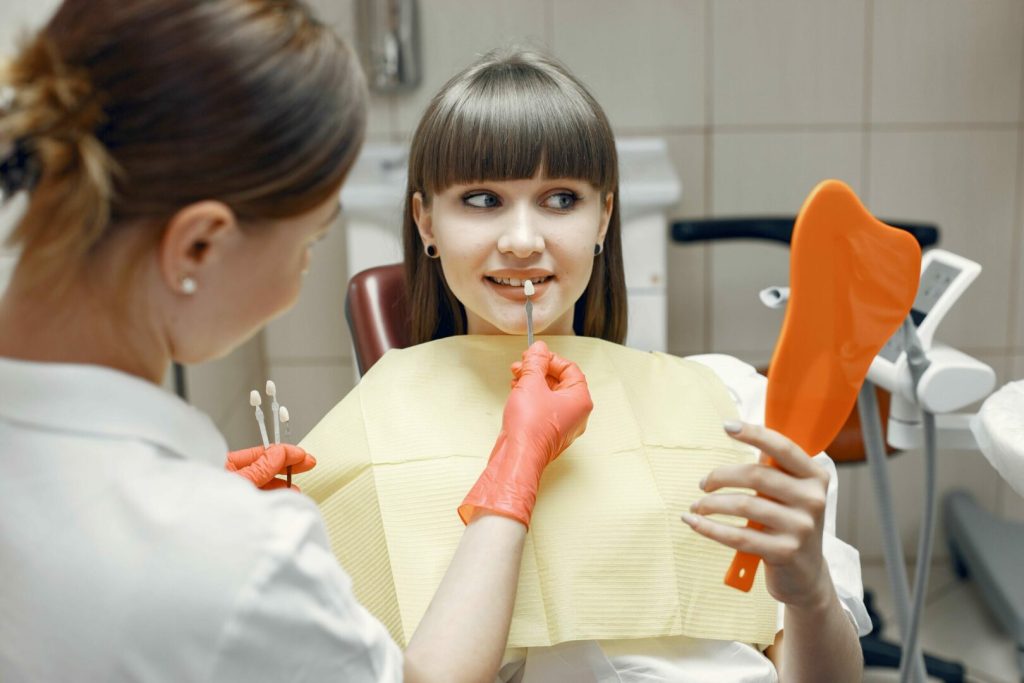
With a veneer, you can instantly improve the appearance of your smile! However, if you’re going to invest in these ultra-thin materials, you’ll want to make the most of them. Porcelain veneers are built to withstand practically any force that your teeth can throw at them. With proper care, you may expect your veneers to last between 10 and 15 years. What steps can you take to ensure that your porcelain veneers stay as long as possible? This guide will tell you everything you need to know about keeping and caring for this dental fix. Keep Your Teeth Healthy Regardless of your motive for getting a veneer, it is not a fast fix for your smile. To get the most out of your veneer, you must continue to practice good dental hygiene. Dental veneers might give you the smile makeover you’ve always wanted. Years of neglect may have discolored, chipped, or cracked your natural teeth, necessitating an improvement in your dental hygiene practices. If you don’t care for your veneer, it won’t last as long. Maintaining one’s teeth and gums is essential for overall health. Regular dental appointments, as well as the use of a soft-bristled toothbrush and non-abrasive toothpaste, are also recommended. To avoid gum disease, you should brush and floss your teeth at least twice a day. Consider Whitening Products Before Seeking Advice Before using a whitening toothpaste, see your dentist to guarantee that it will not damage your veneers. Hydrogen peroxide, sodium bicarbonate, or baking soda are common ingredients in these products. We were really concerned that the shells we designed for you suited your skin tone. You run the risk of ruining your new smile if you whiten your teeth. Watch What You Eat and Drink Porcelain and composite resin veneers that are stain-resistant are exceptionally durable and long-lasting. This does not, however, imply that they are impenetrable. It is possible to stain a veneer. To keep your veneers in the best possible condition, watch what you eat and drink. Staining agents are usually found in foods and drinks, and they can leave visible stains on your teeth. Staining and Hard Foods Are a No-Go Dentists can help you maintain a white, gleaming smile whether or not you have veneers. Soy sauce, red wine, dark beverages, and other stain-causing foods and beverages should be avoided because they can discolor your veneer. An extremely hard object could break both your teeth and your veneer. Hard foods, such as raw apples, carrots, or other root vegetables, should be consumed with caution. Even if you have healthy teeth, you should avoid chewing on ice. Almost like veneers and teeth are made from thin and fragile layers, the enamel is made from layers that can be broken apart. Avoid Unhealthy Habits What you eat and drink, as well as your daily behaviors, all have an impact on the appearance of your smile. If you smoke, your dental veneers will deteriorate quickly. Prior to reading this, you should have been informed about smoking cessation. Composite resin or porcelain veneers give this desire a new sense of urgency. Smoking, like natural teeth, can discolor the surface of a veneer. If you want to preserve your pearly whites for the rest of your life, you’ll have to work hard to break those bad habits. Excessive alcohol use can also cause tooth decay and surface discoloration. Consult your dentist if you have any concerns. These people might be able to give you simple solutions or suggestions that have worked for other people but haven’t come to mind before. If You Require a Mouth Guard, Purchase One A bonding agent is used to hold dental veneers in place. The bonding line may shift and the veneer may slip out of position if you grind your teeth or get smacked in the mouth. There is a chance of resetting if no additional damage happens, but this should be avoided at all costs. As a result, some people may need to wear mouth guards along with their veneers. If your dentist doesn’t know about contact sports or how to grind your teeth, tell them. They will be able to teach you how to properly care for your veneers, determine the causes of your tooth grinding, and provide rehabilitation. One of the devices that protects your teeth and dental implants is called an “occlusal guard,” or “bite guard.” It is also called a “bite protector.” Grinding subconsciously can cause a lot of damage, even if you aren’t aware of it. Wearing a mouthguard will protect your teeth from degeneration and injury. Sports guards can also protect your teeth if you are in an accident that involves your jaw, mouth, or face. Have Your Teeth and Gums Examined on a Regular Basis Finally, periodic cleanings and examinations will help to extend the life of your dental veneers. The dental hygienist can reach bacteria, tartar, and plaque accumulation on your teeth if you are unable to. While using the appropriate toothpaste and brushing technique can be beneficial, it is not the same as having your teeth professionally cleaned. Dental exams can help to prevent the progression of gum disease and tooth damage. Your natural teeth will be healthier if you treat any oral hygiene issues as soon as possible. This increases the chances that your veneers will endure for a long time. Assisting You in Maintaining the Health of Your Veneers and Teeth When it comes to extending the life of your veneers, it all comes down to what you do at home. Brushing your teeth at least twice a day with the appropriate toothpaste and toothbrush is a good place to start. It helps to use antiseptic mouthwashes and floss to get rid of microorganisms that you might not have noticed. If you practice good oral hygiene, your veneers will stay longer. Regular dental visits are essential for maintaining good oral health. In addition to cavities, your dentist will look for signs of gingivitis or periodontitis, as well
Types of Sedation Dentistry

The importance of preventative care cannot be overstated. You can go to the doctor for annual physicals and bloodwork, but you’re missing out on an important element of healthcare if you don’t go to the dentist regularly. In many cases, patients don’t go to the dentist until there is a problem, because they don’t have access to appropriate dental treatment. To fix something that should have been simple at this point, sedation dentistry is often used. Dental Sedation Terminology A sedative is a medical term for any therapy that induces sleep in patients. The sedative techniques used in many specialties are frequently the same. Some examples are general anesthesia, which keeps the patient awake and attentive, or severe sedation, in which the patient is completely asleep. Why Is Sedation Needed? Sedation is recommended by your dentist when you’re having dental work done. There’s a good reason for it. Every treatment does not necessitate the use of sedation. It is a safe and effective treatment as a pain-free alternative to discomfort or agony. Without Sedatives, You Could Injure Yourself It is tough for the dentist and perhaps dangerous for the patient if you don’t have anesthesia. Your natural impulse is to jerk and pull away. Sedation: The Basics Your dentist will go through all of your alternatives for sedation dentistry with you. Many factors, such as your medical history and the dental procedures you will be having, affect how much sedation you need. Sedation is only used when a topical anesthetic isn’t strong enough, and dentists need to get more training to give it. Unconscious Versus Conscious Sedation The dread of sedation is mostly based on stories and myths that have been passed down through the generations. Let’s take a look at the various causes for dental sedation and how each one might be used in specific situations. Injecting Local Anesthesia A local anesthetic is the first type of sedation that dentists consider. When a patient is dealing with dental issues including cavities, crown installation or modification, or root planing and scaling, this is often the treatment of choice. It keeps you awake and alert using local anesthetics. Using it numbs the area that needs to be repaired. Numbness often lasts for 30 minutes to an hour after the injection. Injectable or Topical Uses This can either be administered to the gums as a gel or injected directly into the gums. It’s time to begin the dental operations once you’ve been numb for a while. General Anesthesia General anesthesia can help patients who need more powerful pain relief or who are nervous about their dental operation. This type of sedation dentistry allows the patient to be completely unaware of what is going on around them. This sort of sedation is commonly recommended by dentists for treatments that last a long time or require a high degree of care. It’s easier to do complicated dental work because the patient doesn’t know what is going on. This type of anesthesia is sometimes recommended by dentists for different reasons. General anesthetics can be useful if you are very afraid or have a medical condition that stops you from getting other types of anesthesia. Types of General Anesthesia A face mask or IV sedation is the most common method of administering general anesthesia by dentists with ample training and expertise. A steady flow of anesthesia is maintained throughout the treatment. When you nod off in the dental chair, you’ll be breathing through a special tube. It’s common for general anesthesia to be used for things like dental extractions or the removal of wisdom teeth. Is a General Anesthetic Right For You? If you have a brain disorder or acid reflux, this form of sedation won’t help you. As a precaution, let your dentist know if you’ve ever had a negative response to anesthesia in the past. Nitrous Oxide Sedation Nitrous oxide, unlike IV mild sedation, is an inhaled method of minimal sedation. Laughing gas is another name for dental sedation, which is an option if you’re nervous about the procedure or don’t want to deal with an IV. Oxygen and nitrous oxide are inhaled through a mask. A precise gas balance is maintained during the process to keep you unconscious. The dentist is aware of the symptoms and can increase the amount of laughing gas if you have a low pain threshold and the medicine wears off too soon. The majority of patients don’t even realize they’ve had the operation until it’s finished. After inhaling the laughing gas, they may experience dizziness, fatigue, or even go into a coma. As soon as you stop inhaling the gas, which has lost its power, your alertness comes back. Oral Sedation Oral sedatives are a possibility if the operation does not require you to be asleep or if you are concerned about the outcome. With these drugs, you’ll have moderate sedation for hours—long enough for the dentist to complete the full treatment. Halcion, a tranquilizer similar to Valium, is commonly prescribed by dentists. You’ll take your oral medication an hour before your procedure. You’ll begin to feel drowsy and relaxed after a few minutes. You will, however, be able to answer questions and follow directions. Moderate amounts of relaxation and pain reduction can be achieved with oral sedative medicine. Aside from root canals, oral conscious sedation is an excellent option for many dental procedures. In contrast, it doesn’t wear off rapidly. After your dental surgery, you may require the assistance of a driver to return home. IV Sedation IV sedation is the only form of sedation that cannot be broken by any but the most vigorous of activities. IV sedation uses the same medications as an oral sedative. A mild dose of sedation won’t work if you’re afraid of the dentist or have a weak gag reflex and don’t want to be awake. After you fall asleep, the dentist will monitor your vital signs and alter your medicine if necessary. Inquire about Your Options and Make an
Do Teeth Whitening Strips Work?

You’ve seen the television advertisements and the social media posts. Teeth-whitening strips are the newest celebrity trend, but do they actually work? It’s all in the details, such as how you apply whitening strips and the appearance of your natural teeth. This course will educate you on the basics of teeth whitening, allowing you to choose whether whitening strips are the best option for you. Why Do You Need Teeth Whitening? In the age of Instagram influencers, teeth whitening treatments have surged in popularity. Therefore, why do individuals spend money on bleaching gels and whitening kits in order to have a brighter smile? The vast majority of respondents express self-consciousness about their appearance. This is not self-serving. Your self-esteem is inextricably linked to your perceptions of your appearance, which is problematic for your mental health. If your teeth are discolored, brown, or yellow, you may be self-conscious about your smile. People pay to have their teeth whitened because whiter teeth are associated with increased self-confidence. Reasons for a Tooth Whitening Treatment Individuals seeking whiter teeth have a number of options. The difference between at-home and professional teeth whitening is decided by the reason for the whitening. The Most Common Reasons for Whitening Your Teeth Regardless of why you want to try whitening strips or another therapy, go for it! Simply ensure that you are on the path to a healthy smile before you whiten your teeth. How Do These Whitening Products Work? Are bleaching strips the answer? To begin, let us examine how any whitening product works. When you use whitening strips or a whitening gel, the procedure appears to be straightforward, which it is to a degree. Hydrogen peroxide or carbamide peroxide is included in the products. Both of these bleaches operate in a similar manner. Hydrogen peroxide or carbamide peroxide, the active ingredient, penetrates all the way through the tooth enamel to the dentin layer. The stains are deposited there and then dissolved by the bleach. This immediately whitens teeth by disguising stains. Are whitening products all the same? The presence of components in Crest Whitestrips and other products that are comparable to those found in professional whiteners does not imply that they are interchangeable. Each whitener has peroxide as its major ingredient, but the similarities end there. Apart from the primary bleaching agent, the other chemicals have an effect as well. For instance, during professional treatment, the dentist may use fluoride to aid in the prevention of enamel deterioration. Additionally, this added component alleviates gum irritation and sensitive tooth concerns associated with whitening strips such as Crest Whitestrips. Take the Following Precautions Before Using Whitening Strips or Products On the other hand, certain whitening strips contain chlorine dioxide, a bleaching chemical. While this chemical whitens teeth more quickly than hydrogen peroxide when used in white strips and other procedures, it can be harmful. Consult a respected dental clinic prior to using any teeth whitening product containing chlorine dioxide. Consult your dentist prior to beginning any teeth whitening procedure. Not every form of discolouration is treatable with whitening strips or treatments. On dental veneers, whitening treatments will not function and may exacerbate pre-existing dental problems such as tooth decay and gum disease. Whitening Alternatives There are numerous methods for whitening teeth: Common Side Effects of Teeth Whitening Whether you employ tooth whitening strips or another type of whitening therapy, you are likely to have some adverse effects. Adhering to the directions on the box reduces your risk of experiencing these unpleasant effects. Additionally, getting whitening products from your dentist significantly minimizes the risk of adverse repercussions. What Can You Expect When Having Your Teeth Whitened? If you use tooth whitening strips or another over-the-counter or non-professional quality treatment, you may notice the following effects: Consult your dentist if you’ve recently had dental work performed. Additionally, you should seek medical guidance if you have any potentially related health issues. Natural Whitening Options If you are unable to utilize teeth whitening strips or professional treatments owing to medical or dental history, there are still some solutions available to you. Avoiding certain foods, beverages, and poor habits (such as smoking, drinking, and drug usage) will assist you in maintaining the whiteness of your upper and lower teeth. To brighten them slightly, use a toothpaste containing sodium hydroxide or baking soda. While these cures take time to work, they are generally harmless for your gums and enamel. Are You Prepared To Obtain The Whitest Smile In The Safest Manner Possible? If you want a brilliant, white smile, the dentist is the best place to begin. Whitening your natural teeth with professional whitening products is a safe procedure. Several offices provide customized take-home whitening kits. Additionally, you can receive an in-office treatment that utilizes professional-grade materials and specialized gear to quickly improve your enamel’s color. Call Now to Schedule an Appointment for Your Insta-Ready Smile! Are you unable to use a home teeth whitening kit safely as a result of dental procedures? Is there something about your special occasion that you’d rather not jeopardize? When you’re ready to achieve that camera-ready grin, make an appointment with your dentist. Their teeth whitening treatments are advertised as being safe, effective, and rapid. Do not rely on over-the-counter whitening strips. Engage the services of a professional to assist you in achieving that Instagram-worthy grin!