
Why is Your Tooth Sensitive to Cold?

Nothing is more agonizing than having a sensitive tooth. If you’re not careful, others may perceive you as a complainer. Your tooth sensitivity and discomfort, on the other hand, will be excruciatingly painful until they subside. Any food that has a negative impact on your teeth, such as ice cream, might cause chipping. If this happens regularly, your teeth may grow more sensitive. You and Tooth Sensitivity Tooth sensitivity may be caused by foods and beverages that are hotter than room temperature. Extreme temperatures, such as those found in hot or cold beverages, may hurt teeth that are particularly sensitive to them. What can you do while you’re waiting for dental treatment? The first step is to determine what is wrong with your teeth and then take corrective action. Dental procedures can be tailored to each patient’s specific requirements. Causes of Tooth Sensitivity When you have sensitive teeth, there is always a reason for the pain. It’s true that cold drinks and acidic foods can cause pain right away. An underlying issue with your dental health must be addressed. You may be able to avoid more serious complications if you consult a dentist straight away. Based on the source of your teeth’s sensitivity, dental therapy will be personalized to your unique needs. How Can You Tell If You Have Sensitive Teeth? Those with sensitive teeth experience quick or acute discomfort while drinking hot or cold beverages. It does not have to happen in a certain location; rather, it can happen everywhere. The pain intensifies for a moment as if a knife had been pushed into your head. As a result, the term “brain freeze” has gained currency. It’s not enjoyable to have to go through it. If you have a tooth that is extremely sensitive to cold or heat, a bad toothache can be excruciating. As a result, in order to avoid pain, you must first obtain an understanding of what is going on. What Makes Your Teeth Sensitive? Your teeth are likely to have deteriorated over time. Brushing causes plaque to build up on the surface of your teeth, exposing the dentin beneath. Your nerves are shielded by a protective layer. The enamel on the outer surface of teeth begins to deteriorate due to tooth decay, receding gums, and other factors. When your teeth are in good condition, this coating protects them. Dentin degradation takes away your teeth’s enamel, resulting in a worn-down smile. As a result, your teeth will become more sensitive to hot and cold temperatures. Dentin is made up of canals, which are little hollow tubes. These tiny tubes are in charge of transmitting temperature into the tooth. Teeth become more sensitive as their enamel wears away, resulting in pain. A lot of conditions can contribute to dentin loss. Your teeth may be sensitive to heat and cold due to a variety of factors, including the ones listed below. cavities Early stages of tooth deterioration One who grinds his or her teeth is referred to as a tooth clencher (bruxism). Gum disease is a condition that goes untreated. Gum disease can cause tooth loss as well as gum recession. Your dental health will suffer if you use a toothbrush with stiff bristles or products that have not been approved by the American Oral Association. Failure to comprehend the significance of avoiding acidic meals A shattered tooth, for example, is an example of a dental injury. These are just a handful of the most common causes of sensitive teeth. It’s also possible that it’s a byproduct of how you go about your daily business. If you smoke and don’t clean your teeth properly, your teeth may become sensitive, and you may get gum disease or tooth rot. How to Treat Tooth Sensitivity Several home remedies could be tried to see whether they help with first-time cold sensitivity or other symptoms. If you don’t already have one, purchase a soft-bristled brush. Avoid using whitening toothpaste and alcohol-based mouthwashes to keep your teeth white. Because of their abrasive nature, they can cause dental pain and irritation. If these changes do not work, look for signs that you are grinding your teeth while sleeping. This procedure harms both the enamel and the jawbone. You may get pain in your head, neck, or shoulders unexpectedly. Bruxism Treatment The sooner you see a dentist, the greater your chances of receiving therapy for teeth grinding. If you’re having difficulties sleeping, it could be because you’re stressed out, or you may require medical attention. The dentist’s office can provide mouth guards or other forms of enamel protection to avoid future damage to the enamel. Meanwhile, you can collaborate with your dentist to develop a treatment plan for your bruxism or tooth grinding. The results might be devastating if you don’t identify what’s causing your nocturnal clenching and grinding. Treatments for Sensitive Teeth Different methods are used by dentists based on the cause and severity of a patient’s sensitive tooth issue. To begin, prophylactic precautions must be taken. With the assistance of your dentist, you may be able to adjust your dental hygiene routines and avoid further damage. To reduce enamel loss, avoid foods and beverages that are high in acidity and sugar. Use desensitizing toothpaste, brush, and floss frequently, and use mouthwash to keep your teeth and gums healthy. Nonetheless, if your gums continue to recede and you continue to feel the cold and heat, you should explore the following treatment option. Strengthening of the Enamel The enamel protects your roots from the sensitive nerve endings on the surface of your teeth. To reduce sensitivity, a fluoride gel may be advised. Using this product on a regular basis strengthens the enamel of your teeth and heals any damage that has occurred. This can be done at the workplace or at home at any time of day or night using specialized equipment. Root Canal Techniques A sealant can help to reduce dental sensitivity. If your gums have receded or your dental roots are visible,
What Happens When You Don’t Brush Your Teeth?

You may believe that skipping a tooth brushing now and again won’t harm you. You shouldn’t have any severe dental health difficulties if you forget to push your teeth occasionally. It’s best not to make it a habit, though. Brushing and flossing twice a day isn’t just advice; it helps to reduce plaque buildup and tooth decay. Beyond a toothache or cavity, your dental health can contribute to a range of health problems. Dental Health Problems Properly taking care of your teeth prevents plaque from building up. Plaque causes a variety of dental problems, and at its beginning stages is practically invisible to an untrained eye. Cavities Plaque is made up of bacteria that cause cavities. Those same bacteria can break through your tooth’s protective enamel. If you don’t treat a cavity, it can lead to dental infections and, in the worst case, tooth loss. News that’s good: Cavities can be prevented by brushing and flossing your teeth often. Gingivitis Plaque can hurt the gums and lead to gingivitis, which is a type of gum disease that can lead to tooth loss. Plaque is made up of microorganisms that irritate and inflame gums. Will be red, sensitive, and bleed more often. If you have gingivitis, your gums may recede, which can cause your teeth to fall out. Periodontitis In the same way that plaque leads to cavities, gingivitis leads to periodontitis. This is a very bad bone infection that affects the bones that support your teeth. People who have periodontitis are more likely to lose their teeth. How Long Does Plaque Take to Build? There is a genetic aspect to dental health. Seeing someone who doesn’t care about brushing get away with no cavities may make you angry. You brush your teeth every day, but you have weaker enamel than someone who doesn’t care. When it comes to the health of your teeth, genetics plays a role, but everyone needs to brush. There is no doubt that brushing and flossing keep plaque from building up, which stops other dental problems from happening. Here is what would happen if you avoid good proper hygiene at different lengths: One day without brushing: We can remove plaque by brushing our teeth properly, but the more time we leave it on our teeth, it gets more difficult to remove. When you have plaque on your teeth for 48 hours, it starts to eat away at your dentin. Once plaque hardens, it turns into tartar, which needs to be scraped off by a professional. One week without brushing: As soon as a week goes by, your teeth’ enamel will start to break down. The plaque that hasn’t been removed will make it easy for bad breath to grow. A dirty tooth will make it hard to clean. You will have a greater chance of getting cavities if you don’t brush your teeth for a week. There is also a good chance that the plaque will start to hurt your gums, which will make them hurt and hurt. Continued poor brushing habits: If you don’t brush your teeth or brush haphazardly for a year, you’re likely to have a lot of dental problems. All of these things will happen to you. It can also cause other health problems in your body, like an infection or high blood pressure, if you don’t clean your teeth properly. Proper Oral Hygiene It’s not always easy to agree on what constitutes good dental care. ADA’s recommendations are a good thing to follow, so that’s what you should do. The American Dental Association has some tips for how to properly care for your teeth every day: Brush Brush your teeth twice a day with a toothpaste that has fluoride in it to keep them from getting cavities. Brush your teeth for at least two minutes to make sure you get rid of as much plaque as possible. Make sure you don’t put too much pressure on your gums, because this can hurt them. Floss Every day, you should floss. If you don’t like flossing, think about water flossing as an alternative. If you want to keep your teeth healthy, you might have to make flossing a habit. Visit Your Dentist Call your dentist and set up a time to meet. You should visit your dentist at least once every six months. Some dentists might tell you to go to them more often. In people who have had cavities before, have gum disease, or are at risk of getting gum disease, this is especially important to remember Use Proper Equipment Switching from a manual to an electric toothbrush can make a big difference in your dental health. Electric toothbrushes help people brush for the right length of time with their timer settings and are better at removing plaque. If you don’t want to spend money on an electric toothbrush, make sure you use a soft bristle brush and brush your teeth in a circle. Have a Healthy Diet Dental decay can be prevented by eating a lot of fresh fruits and vegetables and cutting back on foods that are high in sugar, like soda. Dental Cleanings & Checkups If you forget to brush your teeth from time to time, don’t worry. You’ll be fine. But don’t forget that brushing your teeth at least twice a day, flossing once a day, and going to the dentist at least twice a year can help keep your teeth healthy. Your teeth will be healthy if you have dental checkups every few months. It’s easier to treat cavities and gum disease if they’re found early on. You may not even need to fill some of your teeth with fillings if you find them early enough! Dental cleanings will help get rid of hard-to-reach plaque and tartar. Professional teeth whitening is always a good choice if you want to make cosmetic changes.
How Long Do Veneers Last?

Have you ever noticed that every up-close view of a movie star shows them with the same perfect, even teeth? The enamel is so white you can practically see the sparkle twinkle from each toothy grin. We know from genetics and nature that most of us have our own unique smiles. But movie stars and millions of other people get that ideal look through cosmetic dentistry procedures like veneers. At Belmont Dental, we see patients almost daily who want to have what they consider flaws in their smile corrected. The solution for many of these problems is a veneer. Veneers are barely visible, extremely thin shells that are placed over the teeth like a shell. Although one veneer is tiny, that’s all it takes to make a big difference in the appearance of your smile. As with any investment, you probably have questions about whether a veneer is right for you or not. You’ll want to know how long veneers last and if they’re worth the money and time. We understand! That’s why we’ve put together this guide to help you learn more about what could be the solution to your dental woes. Why Use Veneers? If your goal is to fix small imperfections in your smile without long-term orthodontics or full-mouth whitening treatments, a veneer can help. Sometimes, your smile is bright and white except for one or two stubbornly stained teeth. Or you have a small gap at the front of your teeth driving you crazy, but it’s not bad enough for braces. Whatever the reason, if a veneer can fix it, your whole smile can change with the addition of one dainty, wafer-thin shell. Benefits of Veneers Veneers are often used in correcting dental issues like slightly crooked, chipped, or resiliently stained teeth. If you’ve been diagnosed with bruxism, the consistent grinding of your teeth may have damaged the enamel on some of them, and a veneer could help. Another benefit of choosing veneers is that the procedure to apply them is one of the easiest techniques in dentistry. Some types of veneers can be completed in one visit. Getting a veneer to correct a flaw is nothing more than having the shell bonded to the front of your enamel. It may take a little prep to get your tooth ready and create the custom-made veneer, but overall, it’s simple and quick. Choosing Composite Resin or Porcelain Veneers Questions like, “How long do veneers last on front teeth?” and “Are veneers permanent?” are commonly asked in our office. To answer those and other queries, it helps if you understand the difference between the types of veneers. Each material has its own pros and cons, including its lifespan. The two most common materials used to form veneers are porcelain and composite resin. Occasionally, you’ll see temporary veneers as an option. Those are usually reserved for people who need a quick fix and aren’t interested in a long-term investment. As you learn how to take care of veneers, you’ll need to keep in mind the kind you chose to get. Both of them will do the job, last a long time, and look natural, but there are differences. The Pros and Cons of Veneer Materials For instance, porcelain veneers are not permanent, although they can last nearly a lifetime if you’re careful. The material is as hard as your natural enamel and possibly even harder! There isn’t too much that can damage a porcelain veneer, so you can feel comfortable eating those hard and sticky foods you love. Since they are highly stain-resistant and durable, they are more expensive than the other option, composite resin. Porcelain veneers are for people who want to get their smile fixed and then forget they had dental work done. Composite veneers are also long-lasting, but the average ones have a general maximum of five to ten years. They’ll have a longer lifespan if you take care of them well. This type of veneer is easier to damage, but repairing veneers is a relatively easy thing to do. You can still eat as you would with your natural teeth. However, you’ll always be aware that your veneers could be pulled off if you are eating the wrong thing at the wrong angle. Getting the Most From Your Veneers How long porcelain veneers or their composite resin counterparts last is a mix of the material you get and your oral health habits. During the procedure, the dentist adheres the veneers to your enamel with a special bonding agent. Once they are sealed, they shouldn’t come off. However, with wear and tear or damage to the mouth area, they can loosen. If that happens, head back to us to get them repaired or replaced. If you opted for composite resin veneers, too many sticky or hard foods could also loosen them. These types of veneers are less expensive than porcelain veneers and are easy to repair or replace. One more thing to think about as you get back to your regular diet is that veneers can stain. As with your regular enamel, it takes a while for this to happen. But over time, dark or bright food and drinks can seep into the veneer and discolor it. Using tobacco products can cause this discoloration, too. Remember, the better your oral hygiene is at home, the longer you’ll be able to keep your veneers and your natural teeth! At a minimum, brush and floss every day. Then, make sure you visit us at Belmont Dental for regular checkups and cleanings. The friendly staff and expert professionals at Belmont Dental are ready to be the go-to helpers for your oral health needs. Our in-office procedures range from simple exams and cleanings to same-day dental surgeries. Maybe you need a cosmetic fix like a veneer to fix those little imperfections in your smile. Or a painful tooth is causing you sleepless nights and miserable days. Whatever the problem is, we have a customized solution to take care of
Belmont Dental – What Are Same Day Dental Implants?

Have you been on the fence about getting implants, but you don’t want to deal with months of complicated dental visits? Are you ready to do something about those unsightly gaps in your smile from missing or decayed teeth? If so, then same day dental implants could be the solution. How can dental implants be done in one day, you ask? The answer isn’t hocus-pocus. It’s an innovative newer procedure in dentistry that lets you have immediate dental implants put in after an extraction. There’s no wait time necessary! However, one day dental implants aren’t available at every dentist’s office. To be able to offer this procedure, the dentist and staff have to have specialized training and equipment. At Belmont Dental, we’re proud to be able to provide this beneficial procedure to our patients. Interested in seeing if same day implants are right for you? Keep reading to get all the info about this innovative dental technology! What Makes One Day Dental Implants Special? Traditional dental implants are a smart way to help you get a better smile, which improves your health overall. Over time, missing and decayed teeth can cause physical health complications. Your jaw bone begins to deteriorate, and the teeth above or below the missing ones will elongate to fill in the gaps. Other physical problems can gradually show up, but those aren’t the only things to consider. When you’re insecure about your teeth, it eventually can lead to mental health issues, too. The Road to Full Teeth Can Be Shortened But the path to a full set of teeth can take months until it’s complete. To begin with, the damaged teeth would have to be extracted. The site of the extraction would have to heal, which could take weeks or months, depending on your body. Once the extraction site was ready, another surgery would be performed in which the implant was placed into the jaw. Your jaw bone and the implant would then need to fuse together. This process, called osseointegration, could also take weeks or months. In the meantime, you’d have a set of temporary teeth. Although they’re better than nothing, they wouldn’t be custom-made yet. Those aren’t placed until the end of the journey to your final implanted teeth. This is where one day dental implants vs traditional implants differ. The entire process is streamlined when you opt for denture implants in one day. With this procedure, you only need one visit for the extraction and implant. You’ll leave the office that day with your new teeth, ready to chew, talk, and eat like normal as soon as your mouth heals. There will be swelling and discomfort for a few days. Since you’ve had two procedures at the same time, this is to be expected. As long as everything goes well, you’ll only have to come back for a follow-up to make sure your surgical sites are healing as they should be. And that’s what makes dental implants in one day so special! Are You a Candidate for Full Dental Implants in One Day? Yes, your dentist can do implants in a day. And the same day teeth cost is actually comparable to that of traditional implants. Because there are fewer visits to deal with, you have less time in the dentist’s chair. However, not everyone has the health to be a good candidate for this procedure. The technique is still the same. Your damaged teeth have to be extracted, and the implants have to be placed. In short, you’re having two minor surgeries at the same time. You have to be in good enough health to handle both at once. How to Know if You Could Be Eligible To find out if you’re a candidate for the procedure, first, schedule a visit for a consultation at Belmont Dental. We’ll sit with you and evaluate your medical history and current physical and oral health. If you’re a smoker, you may have to quit before you can have the surgery. And if you don’t have enough jaw bone density to handle the implants, we’ll help you find another option to improve your smile. The best candidates for same day dental implants already have strong oral hygiene habits. They don’t have autoimmune diseases, and there’s no advanced gum disease going on. Some chronic diseases may prevent you from being able to have this procedure. Your dentist will work with your medical provider if you have a heart condition or other issues that could cause complications with this surgery. Most importantly, though, don’t automatically consider yourself an unlikely candidate for same day implants. Your dentist will thoroughly screen your medical and oral health history. If there’s something that can be done to help you qualify, he or she will let you know. If not, you could be eligible for other options that you’re not aware of. Don’t prejudge yourself; schedule a consultation! The Pros and Cons of Same Day Implants Can dental implants be done in one day? Yes! But that doesn’t mean they’re right for you. There are pros and cons to be aware of with every surgical procedure. In this case, both traditional and same day implants do have a risk of bone loss. There is a slightly higher percentage seen in patients who have had same day implants. What this means for you is that if your jaw bone does begin to deteriorate, it may shift your implants, and they’ll need to be adjusted. The success rate for both types of implants is comparable. But since you’re doing everything at once, there isn’t as much stress on your gums and other soft tissue. There’s also a smaller chance of infection or complications. How Much Do Same Day Implants Cost? Same day dental implant costs vary; however since there are fewer office visits to deal with, it’s usually similar to traditional implants. Whether your insurance covers either procedure also depends on the company you’re with. If you’re interested in learning more about getting dental
Belmont Dental – What to Expect During a Teeth Whitening Session

It seems like everyone on social media today has Insta-perfect smiles. These filtered and airbrushed images can make you feel extra self-conscious if your teeth aren’t dazzlingly white. While we can’t teach you how to airbrush your pictures, we can do one better. At Belmont Dental, we offer professional teeth whitening services so you, too, can have an Insta-perfect smile. Sure, you can get over-the-counter whitening products anywhere. But when you’re not sure what ingredients are in the product, it’s not a good idea to put chemicals in your mouth. Since we use professional-grade ingredients and state-of-the-art equipment, you can trust that you’re in good hands. So now that you’re convinced that an in-office teeth whitening session is right for you, what should you expect at your visit? This guide will help you get ready for the before, during, and after preparations. What to Know Before You Go Unlike certain other dental procedures, there’s no need to worry about a whitening treatment. You won’t feel any pain, pulling, or discomfort, just a slight feeling of warmth and tingling from the special light. In fact, you can even bring a book, or feel free to scroll through social media while you wait for our whitening gel to do its thing! But before you schedule your treatment, you should have an office visit. During this routine checkup, we’ll do a thorough cleaning of any plaque and tartar buildup on your teeth and watch for signs of impending problems. It’s Important to Fix Issues First If you do have anything going on below the surface, any type of whitening treatment can make the problem worse. The first sign you might notice is a little sensitivity in your teeth and/or gums. This sensation isn’t normal, and shouldn’t be ignored. It’s probably nothing that can’t be easily corrected right now. But if you let it go, and then you use a whitening agent, the problem can quickly get worse. With dental issues, letting a small issue go for too long usually means a more painful and expensive correction in the future. Instead, we’ll go ahead and check for any signs of things that could be made worse with a whitening treatment, like: Cavities Cracked or chipped teeth A filling that is coming loose Beginning or advanced gum disease Although our products are professional-grade, meaning they are the strongest and safest you can use, any whitener can be an irritant. The active ingredient in them is a bleaching agent designed to lighten your teeth. If you don’t follow the directions completely, or the agent stays on too long, it can damage your teeth and gums. The point of the checkup is to ensure your mouth is healthy enough to handle the bleaching products. If any problems are found, we’ll take care of them quickly and get you back on track to your whiter smile! The Day Of Your Whitening Appointment On the exciting day of your visit, make sure you eat at least half an hour before you come to our office. You’ll be with us for a good hour or so, and there’s no point in being hungry! But that half an hour in between gives your enamel time to reharden after your meal. Once you get here, we’ll clean your teeth again. The professional cleaning equipment wipes off any plaque or tartar and gives us a clean surface to work with. Don’t be surprised if the next step is to insert a retractor in your mouth. This little piece of equipment provides an extra safety step to make sure none of the bleaching agent touches your lips and inside tissues. It won’t harm it if it does, but it can irritate these sensitive areas. After that, we’ll brush a light layer of protective gel over your gums to prevent the whitening product from touching those, as well. Then, it’s time for the good part! How Whiteners Work Every whitening product has the same basic process. The differences are in how the whitener is applied and the ingredients in the product. When the whitening product goes on your teeth, either directly or with an applicator, it impacts the layer of dentin in the enamel. Dentin is the part that is responsible for the color of your teeth. The agent works by expanding the pores in the dentin. Once they’re expanded wide enough, the bleach gets into the pores and lightens the color that’s currently there. While every whitening product is intended to do this, they don’t all work the same way. If your product has substandard ingredients, it’s going to take longer to do the job and the lighter color won’t last long. You’ll have to repeat the steps over and over, chancing more irritation and harm to your teeth and gums. But in a professional whitening treatment, we use top-quality products that are considered to be safest and most effective by the American Dental Association. Instead of letting the bleach sit for a long time and possibly irritate your mouth, we also have a special light. This light isn’t magical, but it does work like magic. When the light is shone on your mouth, it causes the whitening agent to work more effectively. It gets into your dentin faster, so you have less time with the bleach in your mouth. The ultimate goal is the safest path to whiter teeth for you. The less time you spend with chemicals touching your teeth, the better! Although the light does make the product work faster, you’ll still be waiting for it to process the bleaching agent for a little while. During that wait, you can sit back, relax, and enjoy your downtime. Keeping Your Newly White Smile Before you leave, your dentist will talk to you about the precautions you should take for a couple of days. There isn’t anything you can’t do, but there are a few foods and drinks you should avoid. These items are known as “stainers.” Since the pores in your
Do You Have an Impacted Wisdom Teeth? Here is What You Need To Know.
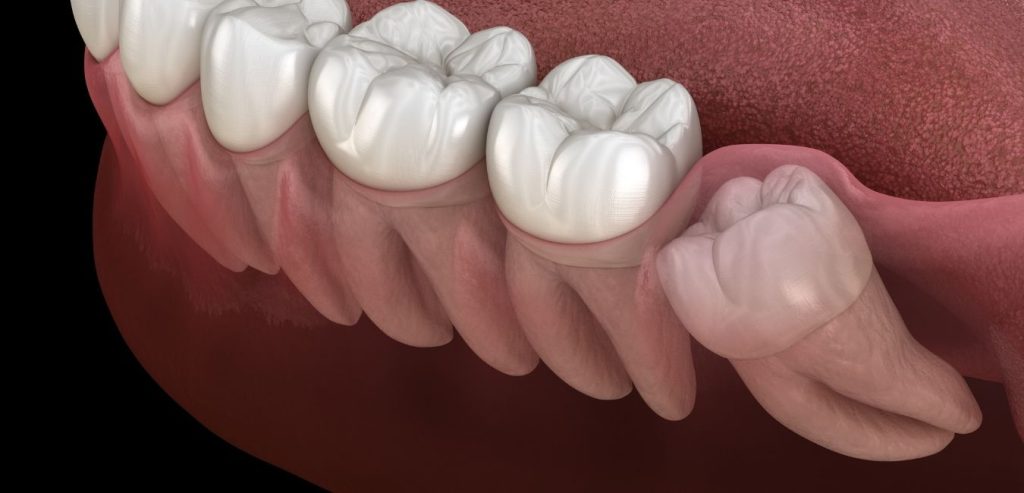
When the dentist tells you that you have to have wisdom teeth removed, it can make you tense up a little bit. That is because wisdom teeth removal has a reputation as something that is not very pleasant to go through. There is some truth to this, but you can make the process manageable by going to an expert dentist in Belmont to get your wisdom teeth removed. Arm yourself with knowledge by learning what you need to know about getting wisdom teeth extracted. Wisdom Teeth Problems The problem with wisdom teeth is that most people do not have enough room in their jaws for them. Human beings are developing smaller jaws since we no longer need to chew as much as our ancestors did. Because of this, the wisdom teeth do not have room to come completely out of the gums. These are known as impacted wisdom teeth. This can lead to damage to other teeth, gum disease and other oral health issues. Getting Them Removed To avoid the dental problems associated with impacted wisdom teeth, it is important to get them removed. This is best done when people are in their teens and twenties before the root system of the wisdom tooth becomes fully developed. Wisdom tooth removal later in life is also possible, but it can be more unpleasant due to the fully developed roots of the wisdom teeth at that age. Choice of Anesthetic There are two choices of anesthetic when you get your wisdom teeth out. You can get put under completely with anesthesia, which will make you very groggy afterwards. You can also take nitrous oxide, which will allow you to remain awake during the procedure. You will not be able to feel anything with either choice. The effects of the nitrous oxide will wear off much more quickly than general anesthesia. Recovery It will take about a week for most people to fully recover from wisdom teeth extraction. There will be some pain and swelling the first 48 to 72 hours after the surgery. Patients are also restricted to a liquid diet for the first 24 hours after the surgery, and then a soft foods diet for the following four or five days. Wisdom teeth removal is not an enjoyable process, but it is a necessity for oral health in many cases. If you think you are having a problem with your wisdom teeth, contact us today. Our dentist in Belmont offers expert care for all manner of dental health issues.
Signs of a Fluoride Allergy

If you have a fluoride allergy it could make you sick. However, having a fluoride allergy is quite rare and for the people who do have it, it can be a mild to severe reaction and will need to be treated immediately. Here at Belmont Dental Associates in Belmont, North Carolina, we care about our patients and we make sure we have a full workup of your medical history along with all of your allergies. That’s why we are one of the best dental offices in Belmont. In this article, we will be going over the signs and the main symptoms of a fluoride allergy and also how to prevent and treat it. What are the Signs and Symptoms of a Fluoride Allergy? What happens when you have a fluoride allergy is when you ingest the fluoride your immune system sees the fluoride as a harmful bacterium that needs to be dealt with. So, what your immune system does is that it produces antibodies to ward it off and this is how you get the reaction from the fluoride allergy. Fluoride can be found in many dental products, but you can also find it in certain foods and drinks. Here are the main signs and symptoms of a fluoride allergy. Cuts or lesions in your mouth. Mild to severe headaches. Weakness in your muscles or joints. Joint and muscle pain. Nausea, upset stomach. Feeling tired or mental weakness. Blurred vision or trouble seeing. Any swelling of your mouth, tongue, or your face. Emesis In some extreme cases of a fluoride allergy you may experience an anaphylactic shock, which is a condition that causes your body to shut down. How to Treat a Fluoride Allergy When you have this allergic reaction, antihistamines are commonly prescribed, and it can take up to 10-15 minutes to take effect. Try to steer clear from any sodas, juices that are bottled, processes cereals, chicken and fish. They can contain a high amount of fluoride and that can also give you the reaction. Avoid drinking tap water. Tap water is full of rich fluoride instead, drink bottled water or natural spring water. There has been so much debate weather fluoride will help you or hurt you and recent studies have shown that a number of people has had allergic reactions to it. So, please let us know if you are allergic to fluoride when you come to see us at Belmont Dental Associates. We take pride in our work and strive to give you the best patient care possible. If you have any questions or concerns, please don’t hesitate to call us or stop by the office in Belmont, North Carolina. We’re always here to help in any way we can.
What is Root Canal Therapy (RCT)?
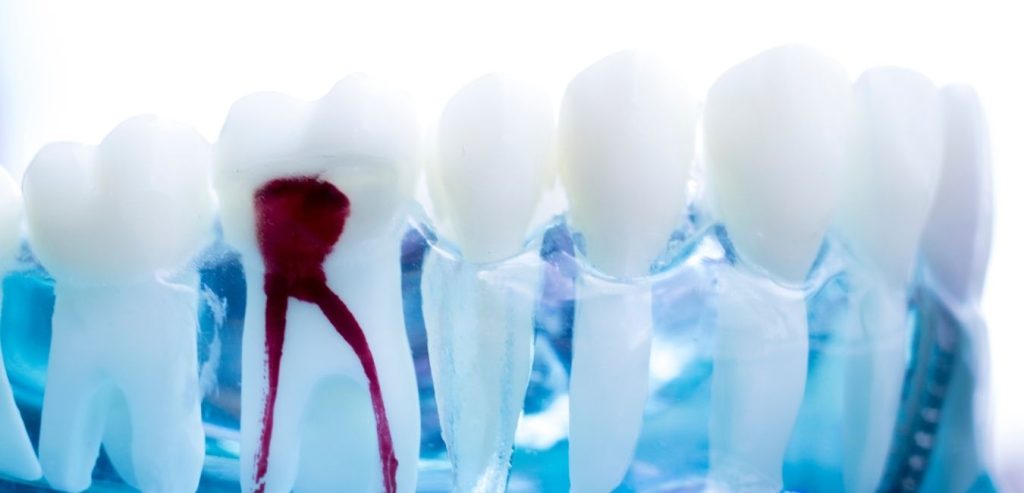
Endodontic Treatment We offer the following endodontic treatment; root canal therapy and retreatment of some previously treated root canals. In spite of what your family and friends may tell you endodontic treatment has come a very long way of the past years and now like a normal, routine filling appointment. Root canal therapy is treatment for the pulp of your tooth once bacteria have reached the pulp causing it to become infected. Root canal therapy helps preserve your tooth as long as possible so that you do not have to have it removed. Often after having treatment your dentist will strongly recommend that you have a crown placed on the tooth. What to expect during your appointment? During your root canal appointment the dentist will start by giving you local anesthetic so that you will not feel any discomfort throughout the procedure. After the anesthetic has taken effect, your dentist will began by removing decay and making an access to the pulp chamber of the tooth. Once this opening has been made he/she will began to remove the unhealthy pulp and infection from the tooth by using different size and length files; the files will allow your dentist to shape the canals so that they can properly fill it later in the appointment. Before filling the canals the dentist will irrigate the canals to remove any debris that may have not came out with the files. After irrigating, the assistant will dry out the tooth so the sealer can adhere to the canal within the tooth for a proper seal so that bacteria and infection may not return. The canals are filled with a rubbery material called gutta percha. Once the tooth has been properly filled and the access to the pulp has been built back up, the crown process for the tooth will start. Sometimes the dentist may wait a few weeks before starting the crown (this is decided case by case). What is an Endodontic retreat and why do I need this? Non- surgical retreats are much like your typical root canal appointment. The dentist starts by gaining access to the roots or the tooth again so that he/she may remove your dental crown or in some cases drill through the crown itself. Once the access has been made and the dentist can reach the canals again they will began using files to remove the currently places gutta percha and clean and reshape the canals. Once the canals have been cleaned your dentist will place new gutta percha within the tooth and began to fill the tooth once again. Why would I need to have my tooth retreated? If you are not properly brushing and floss new decay can form on the tooth and can leak beneath the crown or composite and into the canals of the treated tooth. Sometimes the canals are not completely and properly cleaned out. If a tooth has roots that are curved it can prove difficult to clean thoroughly. You crown my break, crack or come off allowing bacteria into the canal space. The canals were not properly dried making the canals contaminated and the gutta percha to not seal correctly. If you have any questions about root canal treatment or if you believe you may need a root canal, please call our office as soon as possible to speak with one of our Belmont NC dentists.
Should you try brushing dry?

What is dry brushing? “Dry brushing” is when you brush your teeth without the use of water or toothpaste. The main reason that people dry brush their teeth is that it helps them to learn how to clean their teeth more efficiently and in the correct way. Many kinds of toothpaste that you see on the shelves of your local store or supermarket may contain oils like glycerin, which will leave a coating on your teeth and tongue. This will leave your teeth feeling smoother and cleaner than they really are. This may result in you brushing your teeth for a shorter time than what is actually required. This will happen when your tongue also gets coated in the oil because it will make your teeth feel smoother against your tongue. When you are dry brushing your teeth as opposed to using toothpaste with glycerin, your tongue can really feel everything how it actually is. Dry brushing will help provide brushing accuracy due to you being able to feel the spots in your mouth that require more cleaning, unlike when using a toothpaste containing glycerin. Another common problem while using many types of toothpaste to brush your teeth is that the minty fresh taste and cool feeling may lead you to believe your mouth and teeth are cleaner than they actually are. This minty fresh feeling you get from your toothbrush may result in you feeling like your teeth are cleaner than they actually are which will result in you missing teeth or spots and brushing your teeth less than you actually need to. If you switch to dry brushing you will often notice or find yourself brushing your teeth for longer than you normally do. This is because you are actually able to feel the bacteria and unclean parts of your mouth that still require attention. Without your toothpaste making you think your teeth are clean and fresh you will be continuing to brush them until you actually feel and have clean fresh teeth. Of course afterwards, you can use a mouthwash or mint if you really must have that sense of a fresh cool feeling mouth. Today most toothbrushes have nylon bristles, these bristles are often soft and do not require being soaked in water before use, unlike toothbrushes of the past. In older times, toothbrush bristles were made of horsehair and other hard solid bristles. These required to be soaked in water before use due to them being so hard and sturdy, unlike today’s soft-bristled brushes. This is another reason why dry brushing our teeth is a great option. Wetting your toothbrush before using it will increase the amount of splatter you experience while brushing. Wetting your toothbrush before use will also soften the bristles even further to the point that they are less effective at brushing your teeth and removing plaque and pieces of food due to them being too soft. Consult your dentist about dry brushing and ask them if they think it is right for you or will help improve your teeth brushing technique.
How to treat and care for dry socket

When teeth are pulled, especially wisdom teeth, you may experience something that is commonly referred to as, “dry socket.” Dry socket is a painful condition that can accompany the removal of a tooth. It’s treatable, though it’s best if you can prevent dry socket from happening altogether. Dry socket happens when a bone or nerve in the socket is exposed after an adult tooth has been pulled out or removed. If everything goes according to plan, you would have a blood clot to form that would protect the socket. When this clot doesn’t happen, your mouth becomes prone to infection, especially from the food, drinks, and even air around you. You might notice that you’re suffering from dry socket if you’re noticing intense pain following your wisdom tooth being extracted. However, if you notice that the pain is excruciating and accompanied by a radiating nerve pain heading towards your ear, contact us immediately. This can be a symptom of dry socket. You are at risk for dry socket if you have had dry sockets in the past. If you have had wisdom teeth extracted, use birth control, smoke, drink alcohol, have poor dental hygiene, or have had an extraction due to an accident or an infection in the mouth, you are at a higher risk for dry socket. If you take medication that doesn’t allow your blood to clot, it’s important to let us know. Taking medication that inhibits blood clotting can also cause dry socket since the open wound is not allowed to properly clot. To continuously prevent dry socket, it’s important to follow the oral care plan that your dentist gives you, after your procedure. If you were prescribed oral antibiotics or antiseptics, be sure to use them as instructed. Following your dentist’s post-op plan is one of the first means of preventing dry socket. Some of the methods that you will be given may include not rinsing for 24 hours, not drinking from straws, no smoking, avoiding hot foods and drinks, avoiding anything that’s crunchy such as nuts or potato chips, avoiding alcoholic beverages, and being aware of the amount of physical activity that you are going through for the next week. While these are not guaranteed ways to ensure you don’t suffer from dry socket, these are the major steps that can prevent dry socket from happening after an oral procedure. If your dentist prescribes or instructs anything else to help, be sure to follow those instructions. Dry socket is uncommon. In the event that you still suffer from dry socket, there are several ways that it can be treated. Of course, you want to contact us immediately if you are concerned about dry socket. We would be able to give you the best recommendations on how to treat your condition. Some of what we would recommend would include painkillers, topical medication, flushing and rinsing, and going through the same care methods as listed above. You will still have to avoid straws, drinking, smoking, and strenuous physical activity.