If you’re considering a ceramic veneer smile upgrade, you’re on the path to a more confident and radiant appearance. A ceramic veneer smile upgrade uses ultra-thin porcelain shells to cover the front surfaces of your teeth, concealing cracks, chips, stains, and gaps with natural-looking results. In your first consultation, you’ll discuss your goals with a cosmetic dentist, review before-and-after images, and explore options like digital smile previews to visualize your new look. Whether you want a subtle enhancement or a complete smile makeover, porcelain veneers offer long-lasting stain resistance, seamless translucence, and a durable solution to elevate your aesthetics.
By understanding how ceramic veneers work, assessing your unique smile needs, and planning each step of the process, you can enjoy a transformative experience that restores your self-esteem. In this article, you’ll learn everything you need—from material choices and procedural steps to cost considerations and maintenance tips—to make an informed decision about your ceramic veneer smile upgrade.
Understanding ceramic veneers
Ceramic veneers, often called porcelain veneers, are custom-made shells roughly 0.5 millimeters thick that bond to the front surface of your teeth. Unlike crowns, which encase the entire tooth to add strength, porcelain veneers are strictly cosmetic—they improve tooth shape, size, and color without significant reinforcement [1].
Key advantages of ceramic veneers:
- Stain resistance: Porcelain’s low porosity helps guard against coffee, tea, and red wine stains over time.
- Natural translucence: Ceramic mimics light reflection in natural enamel, creating a seamless appearance.
- Durability: With proper care, veneers last 10 to 15 years before replacement may be needed [1].
- Minimally invasive prep: No-prep or minimal-prep options require less enamel removal than traditional veneers, preserving more of your natural tooth structure.
How ceramic veneers differ from crowns:
| Feature | Ceramic veneers | Dental crowns |
|---|---|---|
| Coverage | Front tooth surface only | Entire tooth |
| Enamel removal | 0.2–0.5 mm | 1–2 mm |
| Purpose | Cosmetic enhancement | Structural support and repair |
| Stain resistance | High | Moderate |
| Typical lifespan | 10–15 years | 10–15 years |
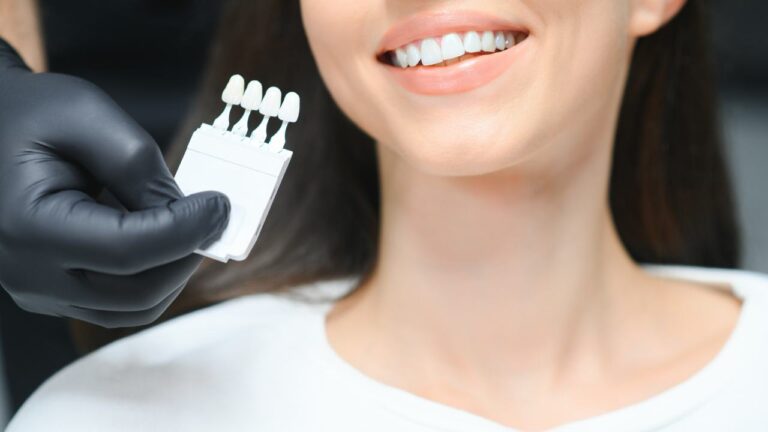
Because veneers require only a thin layer of enamel removal, they offer a semi-permanent smile upgrade that feels natural. Your dentist will roughen the tooth surface to ensure a secure bond, then customize each veneer to match your ideal shade, shape, and contour.
Assessing smile transformation
Before diving into treatment, it’s essential to define your smile goals and understand how veneers fit into a comprehensive cosmetic plan. You’ll collaborate with your dentist to evaluate tooth alignment, color, gum position, and facial proportions.
-
Cosmetic dental evaluation
During your initial exam, your provider assesses oral health, existing restorations, and any issues like tooth decay or gum disease. A cosmetic dental evaluation ensures you’re a good candidate for veneers. -
Smile design consultation
In a smile design consultation, you’ll discuss desired changes, view photo references, and explore digital mockups. Many practices offer a digital smile preview so you can see potential results before treatment begins. -
Setting realistic expectations
Veneers correct discoloration, gaps, minor misalignments, and chips, but they may not replace orthodontic work for severe crowding. If alignment is a concern, consider combining veneers with teeth alignment aesthetic correction or clear aligners. -
Integrating other treatments
For a full cosmetic smile makeover, you might combine veneers with:
- Professional in-office whitening to harmonize natural teeth
- Gum contouring service to adjust gingival lines
- Tooth contouring and reshaping for minimal enamel adjustments
By clearly defining objectives, you set the stage for a personalized veneer plan that complements your facial features and lifestyle.
Planning veneer upgrade
Once you’ve established your goals, the veneer placement process unfolds over two to three visits, typically spanning two to four weeks:
- Initial preparation
- Review treatment plan, select shade and shape
- Take X-rays and impressions
- Discuss non-invasive cosmetic dental procedure options like ultra-thin or no-prep veneers
- Tooth preparation
- Remove 0.2–0.5 mm of enamel to roughen the surface
- Create space for veneer thickness
- Place temporary veneers to protect your teeth
- Laboratory fabrication
- Send impressions to a dental lab
- Technicians craft custom porcelain shells to precise specifications
- Final bonding
- Clean and etch your teeth for optimal adhesion
- Apply dental cement and position veneers
- Cure with a special light to secure the bond
- Adjust bite and polish surfaces
Throughout this phase, clear communication with your dentist ensures each veneer aligns perfectly with your smile design. For more on the bonding process, see our guide to porcelain veneer placement.
Comparing veneer materials
When choosing your veneers, material matters. The most common options include porcelain, zirconia, and composite resin. Here’s how they compare:
| Property | Porcelain | Zirconia | Composite resin |
|---|---|---|---|
| Thickness | 0.5 mm | 0.5–1.0 mm | 0.3–0.5 mm |
| Translucence | High | Moderate | Moderate |
| Stain resistance | Excellent | Very good | Fair |
| Strength | Moderate | High | Low |
| Lifespan | 10–15 years | 15–20 years | 5–7 years |
| Cost per tooth | $800–$2,500 [2] | $1,000–$2,500 [2] | $250–$1,000 [3] |
Key considerations:
- Porcelain offers the most lifelike appearance and stain resistance.
- Zirconia excels in strength, ideal for grinding or heavy bite forces.
- Composite resin can be applied in a single visit, but it may stain and chip more easily.
Discuss your lifestyle, bite habits, and aesthetic priorities with your dentist to select the best veneer material for your long-term satisfaction.
Managing long-term care
To protect your investment and ensure your veneers look their best, adopt these habits:
-
Maintain diligent oral hygiene
Brush twice daily with a soft-bristled toothbrush and non-abrasive toothpaste. Floss daily to remove plaque at the gumline. -
Avoid staining agents
Limit dark-colored foods and drinks such as coffee, tea, berries, and red wine. For touch-ups, consider periodic stain removal and whitening sessions. -
Prevent damage
Don’t use your teeth to open packages or bite hard objects like ice, pens, or nuts. If you grind or clench, wear a nightguard to reduce stress on veneers. -
Schedule routine visits
Visit your dentist every six months for cleanings and exams. During checkups, your provider evaluates veneer margins and overall oral health, catching issues early.
By following these guidelines, you can extend the lifespan of your veneers beyond a decade, maintaining a bright, flawless smile.
Evaluating costs and financing
Ceramic veneers represent a significant cosmetic investment. Nationally, the average cost per ceramic veneer is about $1,765, with prices ranging from $500 to $2,895 [4]. A full set of six to eight veneers averages $15,486.
Factors that influence pricing:
- Material choice (porcelain, zirconia, composite)
- Geographic location and practice reputation
- Complexity of smile design and preparatory treatments
- Number of teeth being veneered
Financing and affordability:
- Many practices offer monthly payment plans or in-office financing
- Explore insurance-covered cosmetic dentistry options if your plan allows for aesthetic treatments
- Look for affordable cosmetic dental care programs or third-party lenders like CareCredit
Remember that veneers are a long-term solution; spreading the cost over several years can make this transformative treatment more accessible.
Enhancing smile confidence
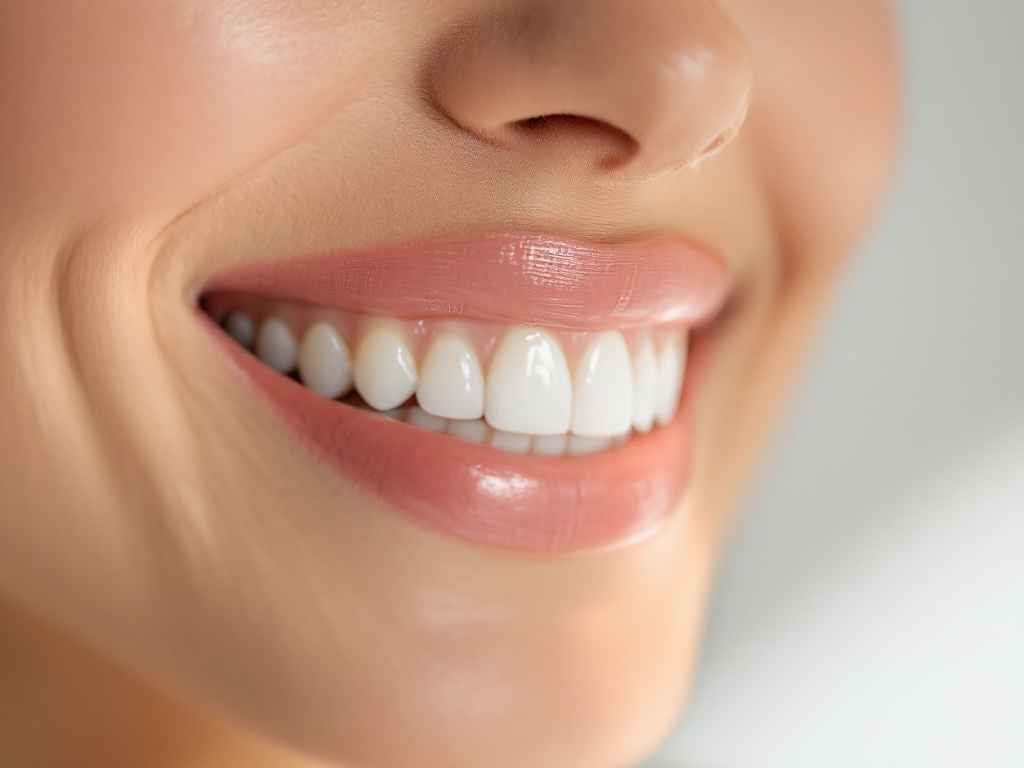
Beyond aesthetics, a ceramic veneer smile upgrade can profoundly impact your self-esteem and social presence. When you see a uniformly bright, natural-looking smile in the mirror, you’re more likely to share laughs, speak freely, and engage without hesitation.
Personalized artistry:
- Each veneer is handcrafted to match your facial contours, skin tone, and personality
- Custom shading and shape give you a signature smile that feels authentic
- Combining veneers with complementary services like gum contouring service or cosmetic dental crown replacement creates a balanced, harmonious result
Restored confidence:
- Smile confidently in photos and on video calls
- Enjoy new opportunities in personal and professional settings
- Feel proud of your appearance every day
A ceramic veneer smile upgrade is more than a cosmetic procedure—it’s an investment in how you present yourself to the world.
By understanding your options, planning carefully, and maintaining your veneers, you’ll unlock the full potential of a ceramic veneer smile upgrade. Schedule a smile design consultation today to take the first step toward your renewed confidence and radiant new smile.