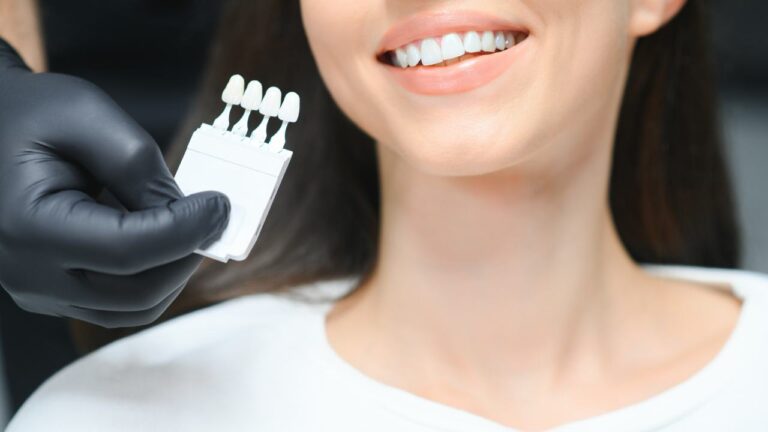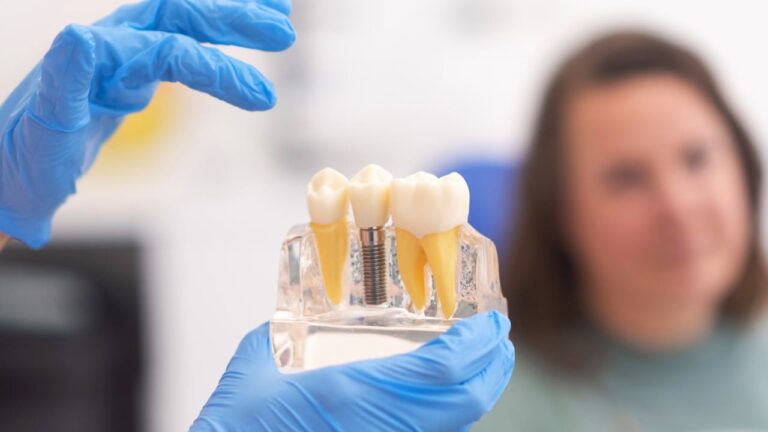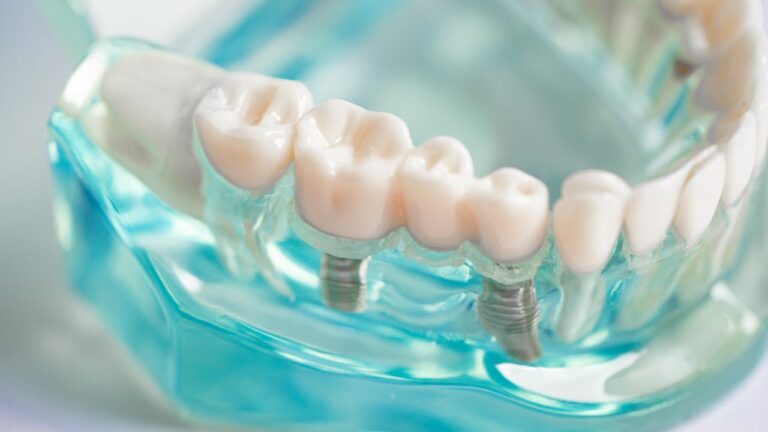
When you choose porcelain veneer placement, you’re investing in a personalized transformation that blends cosmetic artistry with durable dental science. Porcelain veneers are thin, custom-made shells designed to conceal chips, gaps, cracks, and discoloration, giving you a brilliantly uniform smile. With modern techniques, you’ll experience minimal discomfort, a streamlined timeline, and a long-lasting result that restores your confidence. In this guide, you’ll learn key tips for planning, preparing, placing, and caring for porcelain veneers so you can enjoy a stunning smile upgrade that stands the test of time.
Understand porcelain veneers
What are porcelain veneers?
Porcelain veneers are wafer-thin restorations crafted from high-strength ceramic materials such as IPS e.max or feldspathic porcelain. They fit over the front surfaces of your teeth to mask aesthetic imperfections and protect tooth structure from further damage. Unlike composite resin bonding, porcelain is more stain-resistant and durable, although it typically costs more up front [1].
Benefits and limitations
Discover exciting casino entertainment, popular games, and smooth online access at https://wolfwinner.bet/, designed for convenient play anytime.
- Enhanced aesthetics: Porcelain mimics natural enamel’s translucency for a lifelike smile.
- Durability: With proper care, veneers last 10 to 15 years or more [2].
- Minimal invasiveness: Only 0.3 to 1.5 mm of enamel is removed, preserving underlying tooth structure [3].
- Limitations: Veneers are permanent restorations; once you’ve removed enamel, you’ll always need coverage on treated teeth. Avoid baking soda or abrasive toothpaste to prevent micro-scratches.
By understanding these pros and cons, you’ll set realistic expectations and choose the right solution for your smile needs, whether you’re pairing veneers with a professional in-office whitening session or incorporating them into a full cosmetic smile makeover.
Plan your treatment
Consultation and digital preview
Your journey begins with an in-depth cosmetic dental evaluation. During a 30- to 60-minute assessment, your dentist will examine oral health, capture photographs, take X-rays or 3D cone-beam CT images, and discuss treatment options. You’ll explore veneer types, costs, and any preparatory work needed, such as addressing decay or gum issues [4].
Many practices offer a digital smile preview using software to simulate your post-treatment appearance. This collaborative step lets you fine-tune shape, length, and shade so the final outcome matches your aesthetic goals.
Personalized cosmetic plan
Based on your goals and oral health, your clinician will craft a customized cosmetic dentistry plan. This plan may integrate:
- Veneers combined with stain removal and whitening for uniform brightness
- Minor tooth contouring and reshaping to optimize veneer fit
- Gingival adjustments via gum contouring service for a balanced gum line
By tailoring each element, you’ll achieve a harmonious, natural-looking result that enhances both your smile and your self-esteem.
Prepare your teeth
Enamel removal technique
To ensure a snug, seamless fit, your dentist will remove a thin layer of enamel—usually about 0.5 mm—from the front surfaces of the teeth receiving veneers. This step:
- Roughens the surface for stronger bonding [2]
- Maintains tooth nerves and roots, so you avoid sensitivity
- Preserves a margin between the veneer edge and your gum line for health and longevity [5]
Preparation levels
- Minimal prep – removes under 0.5 mm for slight corrections
- Moderate prep – removes 0.5–0.8 mm for moderate color or shape changes
- Aggressive prep – removes up to 1.5 mm for major alignment or size adjustments
Your clinician will select the method best suited to your dental anatomy and aesthetic goals, minimizing invasiveness while delivering optimal results.
Mock-up and wax-up
Before irreversible preparation, a diagnostic wax-up creates a blueprint of your final veneers. This approach:
- Visualizes length, shape, and bite alignment
- Highlights adjustments needed for function and esthetics
An intraoral prototype or mock-up (temporary veneers placed directly in your mouth) lets you:
- Assess comfort, phonetics, and overall appearance
- Provide feedback for refinements prior to lab fabrication [6]
By walking through these steps, you’ll participate actively in designing your new smile, ensuring the artistry of modern cosmetic dentistry aligns with your personal vision.
Place your veneers
Bonding process
Once your permanent veneers arrive—usually two weeks after impressions—your dentist will:
- Remove any temporary restorations
- Choose the precise shade and check fit
- Apply a dental adhesive and position veneers with care
The adhesive cures under a special light, creating an exceptionally strong bond [5].
Shade selection
Selecting the right hue is both art and science. Your dentist will use a VITA Classical Shade Guide or digital colorimeter to match your adjacent teeth or achieve a brighter, customized look.
Cement curing
A high-intensity LED light activates the composite resin cement, ensuring a rapid, durable set that locks veneers in place for years of wear.
Final adjustments
With your veneers bonded, the clinician will refine occlusion and contours for comfort and function.
Polishing
A fine-grit polishing system smooths the margins and surfaces, enhancing shine and preventing plaque buildup.
Occlusal check
Your bite is tested in different jaw positions to confirm there’s no premature contact that could stress veneers. Minor adjustments protect against chipping and ensure a natural feel [7].
Care for your veneers
Daily oral hygiene
Maintain your new smile with a gentle routine:
- Brush twice daily using a soft-bristled toothbrush and non-abrasive toothpaste [8]
- Floss daily, sliding between veneers and natural teeth to prevent plaque
- Rinse with a neutral, alcohol-free mouthwash to preserve bonding agents
Avoiding damage
Protect your investment by steering clear of habits and foods that can stress veneers:
- Do not use veneers to open packaging
- Avoid chewing ice, hard candies, and sticky confections
- Wear a custom nightguard if you grind or clench
These precautions will minimize the risk of cracks, chips, and debonding.
Professional cleanings
Schedule dental checkups and cleanings every six months to:
- Monitor veneer margins for any gaps or discoloration
- Apply a protective sealant weekly if recommended [9]
- Address any concerns promptly to extend veneer lifespan
Combining your home care with regular professional oversight ensures optimal oral health and veneer performance.
Maintain long term results
Regular checkups
Consistent monitoring lets your dentist catch early signs of wear or underlying tooth issues. Through periodic cosmetic dental evaluation, you’ll preserve both veneer integrity and natural tooth health.
Touch-up treatments
Porcelain veneers last 10 to 20 years with proper care, but you may opt for:
- Minor repairs of chips or stains
- Full replacement after a decade to refresh color and fit [10]
Staying proactive with touch-ups and maintenance ensures your smile remains brilliant, boosting confidence and reflecting the artistry of modern cosmetic dentistry.
By following these porcelain veneer placement tips—from initial consultation and personalized planning through precise preparation, expert bonding, and diligent aftercare—you’ll achieve a radiant, natural-looking smile that transforms your appearance and restores self-assurance. Whether you’re considering a subtle enhancement or a full ceramic veneer smile upgrade, these guidelines will help you navigate each step with clarity and confidence. Enjoy the lasting benefits of a tailored, non-invasive cosmetic dental procedure that brings out your best smile every day.