You’ve decided you want a smile makeover, but every article you’ve read lists ten different procedures without explaining which ones you’ll actually need, how long the whole thing takes from first visit to final result, or what happens if you can only afford part of the plan right now. Those three questions shape everything else. The order of your treatment sets the timeline, the number of teeth involved sets the cost, and the health of your teeth and gums sets how long the result lasts.
This guide walks through the process in the order it actually happens at Belmont Dental in Belmont, NC. It starts with the first conversation, moves through each appointment, and ends with the results. You will see what gets done first and why, how long each phase usually takes, how the cost adds up, and how to tell the treatments you need from the ones you don’t.
What Goes Into a Smile Makeover Plan (And What Doesn’t)
A smile makeover is a personalized plan that combines a few cosmetic and restorative treatments, usually two to four, and performs them in a deliberate order to fix the specific things you want changed about your smile’s appearance and, where a tooth is cracked or weakened, its function. It is not a fixed package, and it is not every procedure on the menu rolled into one quote.
Think of it like a kitchen remodel. You would not install new countertops before moving the plumbing, and you would not pick a paint color before the cabinets arrive. Your smile works the same way, because some steps have to finish before others can start, and doing them out of order wastes money and can weaken the result.
These are the most common building blocks:
| Treatment | What it fixes | How it is priced |
|---|---|---|
| Porcelain veneers | Shape, size, color, and minor spacing on front teeth | Per tooth |
| Invisalign clear aligners | Crowding, gaps, and alignment | Per case |
| In-office whitening | Overall color of your natural teeth | Per session |
| Dental bonding | Chips, small gaps, and uneven edges | Per tooth |
| Crowns | Cracked, heavily filled, or weakened teeth | Per tooth |
Most smile makeovers need only a few of these. Say one chipped front tooth bothers you, along with a smile that has gone yellow over the years. Whitening plus bonding on that one tooth may be the whole plan. Now say your lower teeth are crowded and your upper front teeth are worn and uneven. That plan might start with aligners and finish with veneers. The treatment list should follow what you see in the mirror, not what a practice happens to offer.
Your plan also shouldn’t turn into a series of referrals. Belmont Dental provides veneers, Invisalign, whitening, bonding, and crowns under one roof, along with the general and restorative care, such as fillings for cavities and treatment for gum disease, that often has to come first. The team that checks your gums is the same team that matches your veneer shade, which keeps the timeline tight and your records in one place. Patient education guides on cosmetic dentistry describe these same treatments as options to choose from based on each patient’s needs, and your plan should be built the same way.
What Happens at the Consultation, and Why Does the Order of Treatment Matter So Much?
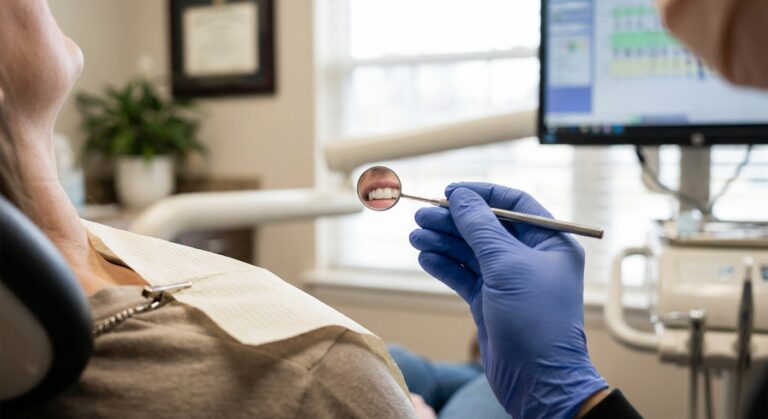
A smile makeover plan is built from a handful of treatments, such as veneers, aligners, whitening, bonding, and crowns, and the consultation is where you figure out which ones belong in yours. At the consultation, Belmont Dental takes diagnostic photos from several angles, records your teeth and bite with digital imaging and 3D scanning, checks your oral health, and asks which specific things bother you most. Those records and your priorities decide which treatments go in the plan and the order they happen in.
The photos usually include your full smile, your teeth at rest, a side view, and close-ups of the front teeth. They let you see your smile the way other people do, which is often different from the mirror view you know so well. The 3D scan creates a digital model of your teeth and bite. It replaces much of the old process of biting into trays of putty, and it lets the team study how your teeth meet before planning any change to their shape. The exam looks for cavities, tooth decay, signs of gum disease, worn enamel, and old fillings or crowns that may need attention.
Then comes the most important part: the conversation. You may be walking in braced for a sales pitch. That worry is fair, because plenty of people have been handed a large quote with no explanation of why each item is on it. The priority discussion exists to prevent exactly that. You point to what you notice first, rank what matters most, and talk through what you can comfortably spend and how much time you have. On whitening, for example, the team weighs your starting shade, any history of sensitivity, and how quickly you want results before recommending an approach. A good plan often includes two versions: the full plan, and a smaller first phase that fixes your top concern without closing off future options. This is what personalized care looks like in practice, and it is how the team gets to know the person behind the smile.
The order of treatment follows clinical reasons, not convenience:
- Health comes first. Cavities, tooth decay, and active gum disease have to be treated before cosmetic work. Bonding placed on a decaying tooth can fail, and veneer edges placed along inflamed gums may show once the gums heal and settle.
- Teeth move before anything gets bonded to them. Veneers are made to fit your teeth in their exact positions. If aligners are still shifting those teeth, the veneers will no longer fit or line up.
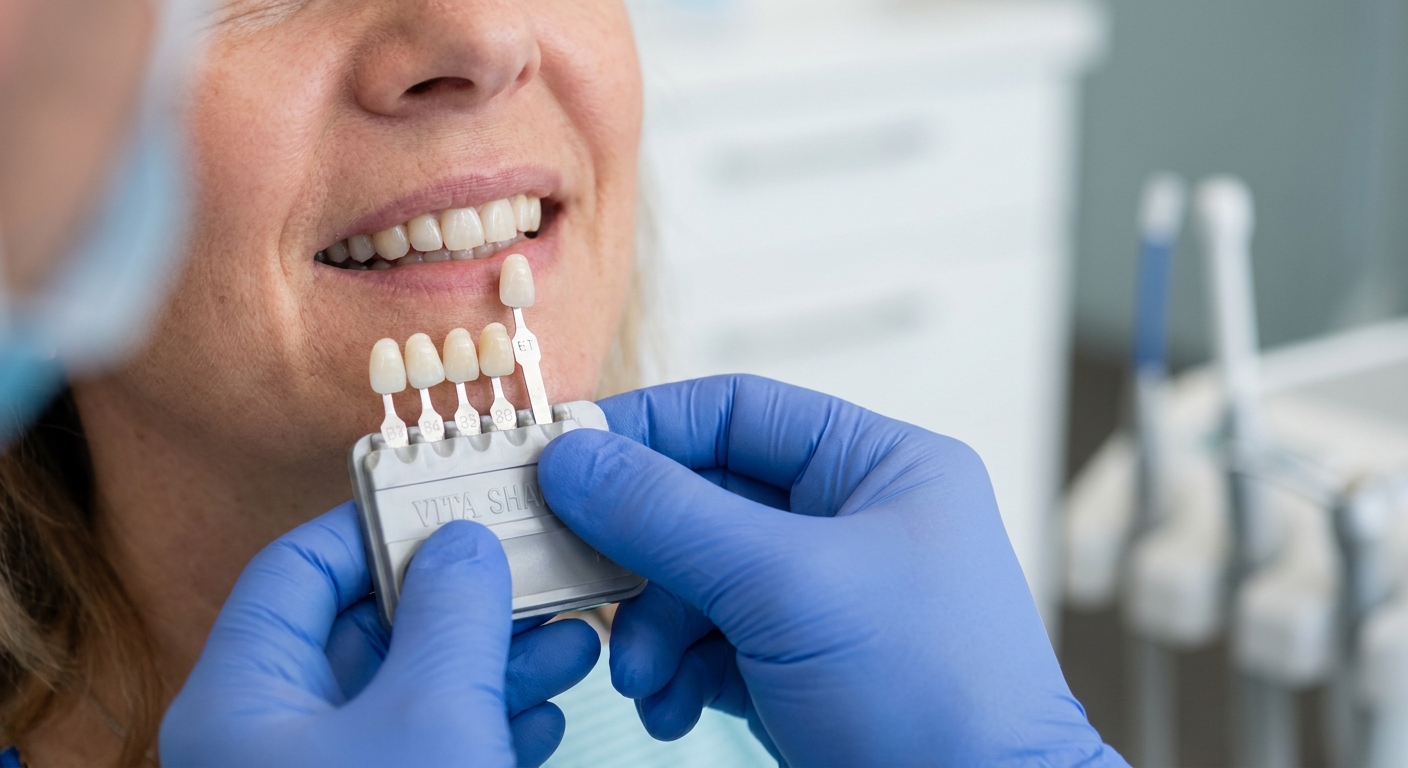
- Whitening comes before shade matching. Porcelain and composite do not lighten with teeth whitening gel, so your natural teeth are whitened first and given a short time to settle, often around a couple of weeks. Only then are the veneers or bonding matched to that new shade.
- Restorations come last. Bonding, veneers, and crowns are placed once the teeth are healthy, in position, and at their final color.
Belmont Dental has cared for families in Belmont, NC since 2005. A practice that expects to see you for many years has every reason to plan with care, because it will be there to see how the work holds up.
How Long Does the Process Take? An Appointment-by-Appointment Timeline
Because a smile makeover follows a set order, with health care first, tooth movement before restorations, and whitening before shade matching, the timeline is fairly predictable. A plan with whitening and bonding may be finished in two to three appointments over about as many weeks, though individual timelines vary. A plan that combines Invisalign and veneers may take four to eight months in total, and most of that time is aligner treatment, with duration varying based on complexity and compliance. Your own timeline depends on how many teeth are involved and whether any health care comes first.
Timeline one: whitening and bonding (may take about two to three weeks)
- Visit one, consultation: Photos, a 3D scan, an exam, and the priority discussion. If you are due for a professional cleaning, it often makes sense to do it now so whitening starts on clean enamel.
- Visit two, in-office whitening: Your natural teeth are whitened in the office. Some patients notice brief sensitivity afterward, and whitening outcomes vary based on factors including starting shade, enamel condition, and individual response.
- A short wait: Your new shade settles for a couple of weeks before anything is matched to it.
- Visit three, bonding: The tooth surface is lightly roughened, and tooth-colored composite is layered on, shaped, hardened with a curing light, and polished. Small repairs often need little or no numbing, and you leave with the finished result the same day.
Timeline two: Invisalign and veneers (may take about four to eight months)
| Phase | Typical length | What happens |
|---|---|---|
| Consultation and records | One visit | Photos, scan, exam, plan |
| Health care, if needed | Varies | Fillings, gum care, cleanings |
| Invisalign aligners | Timeline varies; some cases with minor crowding or spacing may take about three to six months | New aligner sets on a schedule, with periodic checkups |
| In-office whitening | An in-office visit plus a settling period | Brightens natural teeth before shade matching |
| Veneer preparation | One visit | Numbing, a thin layer of enamel reshaped, new scan, temporary veneers placed |
| Fabrication and placement | May take about two to four weeks | Veneers made to your scan, then tried in, checked, and bonded |
Tooth movement can’t be rushed, because teeth shift only as the bone around them slowly remodels, and that biology runs on its own clock. Aligners also only work when you wear them, which means nearly all day, taking them out just to eat and brush. Missed hours slow the whole plan down, and complex alignment can take longer than these ranges.
You might also be wondering whether all of this will hurt, or leave you uncomfortable for months. That is one of the most common worries people bring to a consultation. For some patients, discomfort is brief and manageable, which may include a day or two of pressure with each new aligner set, short-lived sensitivity after whitening, and numbing for veneer preparation. Individual experiences vary, and if you already know your teeth are sensitive, say so, because it factors into which whitening approach the team recommends. The team at Belmont Dental believes in compassionate care, so tell them about any anxiety up front and they will walk you through what each visit feels like before it starts.
Temporary veneers give you a preview. You can live with the new shape for a few weeks, notice how it feels when you talk and smile, and mention anything you want changed before the final porcelain is bonded. If you have a wedding, a new job, or a photo-heavy event coming up, tell the team the date at your consultation. The plan can be worked backward from it so you are not sitting in temporaries on the big day.
What Will It Cost, and How Do You Keep It Affordable?
The total cost of a smile makeover is the sum of its parts: veneers, bonding, and crowns are priced per tooth, Invisalign is priced per case, and whitening is priced per session. That means the number of teeth in your plan drives the total more than anything else. Belmont Dental does not publish set prices online. Instead, you receive the current fee for each part of your plan, along with any membership reduction that applies to you, before treatment begins.
A single advertised price would be wrong for nearly everyone, because no two makeovers contain the same parts. It helps to think about the cost in line items. For example:
- A whitening and bonding plan is one whitening fee plus two bonding fees, if two teeth need repair.
- An aligner, whitening, and veneer plan is one Invisalign case fee, one whitening fee, and six per-tooth veneer fees, if six upper teeth show when you smile.
- A blended plan might use whitening, four veneers on the teeth that need the most change, and bonding on two side teeth that only need small fixes.
That last example shows how a thoughtful plan can lower the total without lowering the quality. Veneers are usually the largest line item, so the most useful cost question you can ask is: “Does every tooth on this list really need a veneer, or could some of them be bonded or simply whitened?” Teeth whitening alone sometimes handles color concerns that might otherwise push someone toward veneers. If you want per-tooth veneer ranges in Belmont, NC, Belmont Dental’s veneer pricing guide covers them in detail. Several things can raise a total: more teeth, porcelain rather than composite, alignment that needs more aligner sets, health care that has to come first, or old crowns that need replacing so everything matches.
There are three ways to make the cost easier to manage:
- The in-house membership plan. Belmont Dental offers Adult Care and Perio Plus tiers, and members may have access to reduced fees on elective services such as whitening, depending on their plan benefits. This may be helpful if you don’t have dental insurance, and the team will confirm what your tier covers before you commit.
- Insurance for the restorative parts. Belmont Dental accepts Cigna, Blue Cross Blue Shield, Delta Dental, GEHA Connection Dental Network, MetLife, and Guardian. Dental plans usually treat purely cosmetic work differently from restorative work, so a crown on a cracked tooth or a filling for a cavity may qualify for benefits even if veneers and whitening do not. The team can review your benefits with you.
- Phasing the plan. You can spread treatment over time if the phases are designed from the start. Whitening first rarely causes problems later, but bonding needs more thought: if you bond teeth now and add veneers next year, those bonded teeth may need to be redone so every tooth matches. A smart first phase focuses on teeth that won’t change later, or treats the bonding as a temporary step you have budgeted to replace.
What Results Can You Realistically Expect?
Most people considering cosmetic dental work want to know what they will actually get. After a smile makeover, you may experience an improvement in color, shape, and alignment, though outcomes vary based on your enamel, gum health, bite, and how carefully you follow the plan. The digital preview created at your consultation is a planning tool rather than a guarantee. Whitening offers a useful benchmark: outcomes vary and are influenced by factors including your starting shade, enamel condition, and individual response.
Four factors shape your outcome. Enamel thickness affects how much a tooth can be reshaped and how light passes through a veneer. Gum health frames every tooth, and healthy, stable gums keep veneer edges hidden. The CDC’s oral health guidance treats cavities and gum disease as common but largely preventable, which is why they are handled before any cosmetic work starts. Your bite matters because clenching, grinding, or an edge-to-edge bite puts stress on porcelain and bonding. Following the plan matters too: wearing aligners as directed, keeping your appointments, and going easy on coffee, tea, and red wine after whitening all help.
You may be worried that the finished result won’t match what you pictured and that you’ll have spent the money for nothing. That fear makes sense, and the process includes checkpoints to address this concern. Belmont Dental’s state-of-the-art technology, including digital imaging and 3D scanning, helps you see the planned outcome before treatment starts. Temporary veneers let you test the shape in real life, and the try-in visit lets you see the shade and fit before anything is permanently bonded. Each step is a chance to speak up.
Be careful with glossy photos, too. Health regulators warn that cosmetic advertising should not create unrealistic expectations, and that includes before-and-after images. At your consultation, ask to see before-and-after photos of completed cases that started out similar to yours. Seeing a real result from someone with your kind of starting point may be more useful than a perfect stock image.
Finally, plan for upkeep. Porcelain veneers may last for years but not forever, bonding can stain or chip, and whitening fades gradually with everyday food and drinks. Regular cleanings and checkups at the same office that did the work protect your investment. That ongoing care is part of building lasting relationships with your dental team, where you feel at home and the people who planned your smile know the person behind it.
Questions Belmont Patients Ask Before Committing
Here are short, direct answers to the questions people most often ask before they commit to cosmetic treatment.
Can I do my makeover in phases if I can’t afford everything at once?
Yes, as long as the plan is built in phases from the start. Whitening can come first with little downside. If you bond teeth now and add veneers later, those bonded teeth may need to be redone so they all match.
How long does the whole process take from first appointment to final result?
Whitening and bonding plans may finish in two to three appointments over about as many weeks, though timelines vary. Plans that combine Invisalign and veneers may take four to eight months, with aligner treatment as the longest phase, and duration varying based on complexity and individual factors.
How long is the whitening appointment, and how much whiter will I get?
The team at Belmont Dental will walk you through what your in-office teeth whitening appointment involves at your consultation. Outcomes vary based on factors including starting shade, enamel condition, and individual response.
Why does the order of procedures matter?
Veneers can’t be placed on teeth that are still moving with aligners, because they would no longer fit. Veneer and bonding shades also have to be matched after whitening is finished, since porcelain and composite don’t lighten with whitening gel.
What does a smile makeover cost in Belmont, NC?
It depends on how many teeth are involved and which treatments you choose, because most parts are priced per tooth. Belmont Dental shares the fee for each part of your plan, and any Adult Care or Perio Plus membership reduction, before treatment begins.
Will my dental insurance help pay for any part of it?
It may help with the restorative parts, such as a crown on a cracked tooth or a filling, even when cosmetic veneers and whitening are excluded. Belmont Dental accepts six major carriers, including Cigna, Blue Cross Blue Shield, Delta Dental, GEHA Connection Dental Network, MetLife, and Guardian, and can review your benefits with you.
How do I know which procedures I actually need versus what gets upsold?
Start from the flaws that bother you most, as ranked in your diagnostic photos. Then ask why each item is on the plan and whether a simpler option, such as bonding instead of a veneer, would work on that tooth.
Your Next Step Toward a Smile You Feel Confident About
Here is one thing you can do before you call. Take three photos of your smile in daylight, from the front and each side, and mark the one thing you would change first. That single choice does more to shape a focused, affordable plan than any treatment menu, because it tells your dentist where to start and what can wait.
When you are ready, schedule a smile makeover consultation at Belmont Dental. The team will review your diagnostic photos, talk through which procedures fit your goals and budget, and map out a personalized timeline. Call the Belmont, NC office or request an appointment online, and bring your questions about phasing, membership, or insurance so you leave with a plan you understand and the confidence to move forward.
Ready to Start Improving Your Smile?
If you’ve been thinking about what’s possible for your smile but aren’t sure where to begin, the team at Belmont Dental is here to walk you through every step. Every smile makeover is different, and knowing what to expect at each step makes the process easier. Give us a call to schedule a consultation and discover what options might work best for you.
Individual outcomes vary based on factors including starting oral health, enamel condition, gum health, bite, compliance with treatment protocols, and individual response to treatment.