When you consider cosmetic dental crown replacement, you’re looking for more than a functional fix. You want an enduring restoration that blends seamlessly with your smile and boosts your confidence. In this guide you’ll explore everything from materials and lifespans to costs and complementary treatments, empowering you to make informed choices that fit your aesthetic goals and lifestyle.
Whether you need to replace a worn or damaged crown or you’re updating an older restoration for a fresher, more youthful appearance, cosmetic dental crown replacement offers a personalized smile transformation. You’ll learn how modern techniques, like same-day CAD/CAM crowns and digital smile previews, bring artistry and precision to every step of the process.
Understand cosmetic crowns
Before you begin replacement, it helps to know what a cosmetic dental crown is and why you might need one.
What is a dental crown?
A dental crown is a tooth-shaped cap that covers a weakened, broken or discolored tooth. In cosmetic applications crowns restore shape, size and color, blending with adjacent teeth for a natural look. Crowns also protect teeth treated with root canals or large fillings.
When to consider replacement?
You may need cosmetic dental crown replacement if you notice:
- Visible wear, cracks or chips
- Discoloration or a dark line at the gum margin
- Loose or ill-fitting crowns
- Sensitivity or discomfort when biting or with temperature changes
If you’re unsure whether your crown needs attention, schedule a cosmetic dental evaluation to assess fit, function and aesthetics.
Explore crown materials
Choosing the right material is crucial for durability, appearance and cost. Here’s how common options compare:
| Material | Average lifespan | Pros | Cons |
|---|---|---|---|
| Porcelain-fused-to-metal (PFM) | 5–15 years [1] | Natural look, strong base | Porcelain may chip, metal edges show over time |
| Zirconia | 10–15+ years [1] | Extremely fracture-resistant, biocompatible | Bulkier prep, may require more enamel removal |
| Lithium disilicate | 5–15+ years [1] | Excellent fit and translucency, one-visit option | Less fracture-resistant than zirconia |
| Gold alloys | Decades, 95% survival at 10 years [1] | Superior strength, minimal wear | Metallic color limits use to molars |
| All-ceramic | 5–15 years [2] | Best aesthetics, metal-allergy safe | Less durable in high-stress areas |
Consider your bite forces, tooth location and cosmetic goals when selecting a material.
Evaluate crown lifespan
Knowing how long your new crown will last helps you plan for future maintenance and replacements.
Average longevity
Most crowns last between five and 15 years, though with meticulous oral hygiene and regular checkups some reach 30 years or more [2].
Factors affecting durability
- Material strength and thickness
- Quality of dental work and bonding
- Your oral hygiene routine
- Diet and chewing habits (avoid very hard or sticky foods)
- Teeth grinding or clenching habits
By understanding these factors you can extend your crown’s lifespan and protect your investment.
Recognize replacement signs
Early detection of problems prevents bigger issues like decay or infection under the crown.
Visible damage
Chips, cracks or worn areas demand prompt attention. Even hairline fractures can harbor bacteria and lead to decay [3].
Discomfort and sensitivity
Lingering pain when you bite down or sensitivity to hot and cold may indicate a failing bond or underlying decay. Don’t ignore ongoing discomfort.
Gum recession and fit issues
If you notice a dark line at the gum edge or increasing gaps between the crown and gum, bacteria can sneak in, risking infection [4].
Plan your replacement process
A structured plan ensures predictable outcomes and a seamless experience.
Cosmetic dental evaluation
Your dentist examines the existing crown, underlying tooth and gum health. Imaging and impressions help determine whether replacement alone suffices or if additional treatments are needed.
Digital smile preview
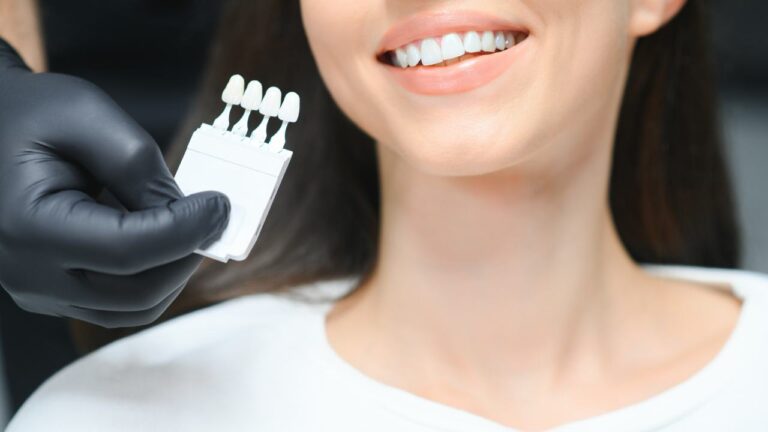
With computer-generated mockups you can visualize your new crown in your smile, adjusting shape, size and color before any tooth prep. This digital preview keeps expectations in sync.
Customized cosmetic dentistry plan
Based on your goals and dental health, your dentist crafts a step-by-step plan—from tooth preparation to final polishing. This may be part of a broader customized cosmetic dentistry plan that includes veneers, whitening or gum contouring.
Review replacement procedure
Most cosmetic crown replacements follow a multi-step approach for optimal fit and aesthetics.
Preparing the tooth
Your dentist numbs the area, removes the old crown and any decay, then shapes the tooth to ensure a precise fit.
Temporary crown placement
A resin-based temporary crown protects your tooth while the lab fabricates the permanent restoration. You’ll wear this for about two to three weeks.
Permanent crown fitting
At your second visit the temporary crown is removed, the final crown is checked for color and fit, then polished and cemented in place.
Compare replacement options
Understanding your procedural choices helps match technology to your needs.
Traditional two-visit method
- Pros: Proven track record, wide range of lab-fabricated materials
- Cons: Two appointments, temporary crown period
Same-day CAD/CAM crowns
- Pros: Completion in one visit, digital accuracy, no temporary crown
- Cons: Not suitable for all cases, limited material options [2]
Choose the option that balances convenience, budget and aesthetic precision.
Consider costs and insurance
Budgeting for your crown replacement involves understanding material costs and coverage options.
Cost breakdown by material
| Material | Average cost (no insurance) | Notes |
|---|---|---|
| Ceramic/zirconia | $1,000–$2,500 [5] | Highly aesthetic, durable |
| PFM | $697–$1,399 [6] | Cost-effective, natural look |
| Gold alloy | $800–$2,000 | Exceptional strength, limited visibility |
Insurance coverage tips
- Most insurers cover about 50% of medically necessary crowns but exclude fully cosmetic procedures.
- Verify coverage for replacement crowns, especially if discolored or worn crown affects oral health [5].
- Obtain pre-authorization to avoid unexpected out-of-pocket costs.
Affordability strategies
- Compare dental savings plans and insurance options
- Explore financing through HSAs or FSAs
- Consider dental schools for reduced-rate care
- Maintain excellent oral hygiene to delay replacement
Maintain your new crown
Proper care helps your crown last as long as possible and keeps your smile bright.
Oral hygiene best practices
- Brush twice daily with fluoride toothpaste
- Floss gently around the crown margin
- Use an antiseptic mouthwash to reduce bacteria
Lifestyle considerations
- Avoid chewing ice, hard candy or very sticky foods
- Wear a night guard if you grind or clench your teeth
- Limit staining agents like red wine, coffee and tobacco
Regular dental checkups
Visit your dentist every six months for exams and cleanings. Early detection of minor issues—like small chips or slight gum recession—prevents major repairs down the line.
Combine enhancement treatments
For a truly transformative result you can pair crown replacement with other cosmetic services.
Veneers and bonding
Enhance shape and symmetry with porcelain veneer placement or a quick dental bonding service for minor chips and gaps. A ceramic veneer smile upgrade creates a seamless, uniform appearance.
Whitening and contouring
Bring out vibrancy with professional in-office whitening or stain removal and whitening. Fine-tune tooth edges with tooth contouring and reshaping for balanced proportions.
Gum contouring
If uneven gum lines affect your smile, a gum contouring service can reshape soft tissue, revealing more of your tooth structure and complementing your new crown.
Embrace confident smile
Cosmetic dental crown replacement is more than a repair—it’s an opportunity to refresh your smile and restore your confidence. By understanding materials, lifespans, costs and complementary treatments, you’re equipped to partner with your dentist on a personalized plan that highlights your best smile.
Whether you opt for a traditional approach or same-day technology, meticulous planning and maintenance will keep your crown looking natural for years. Take the next step toward your ideal smile by scheduling a smile design consultation and experiencing the artistry of modern cosmetic dentistry.